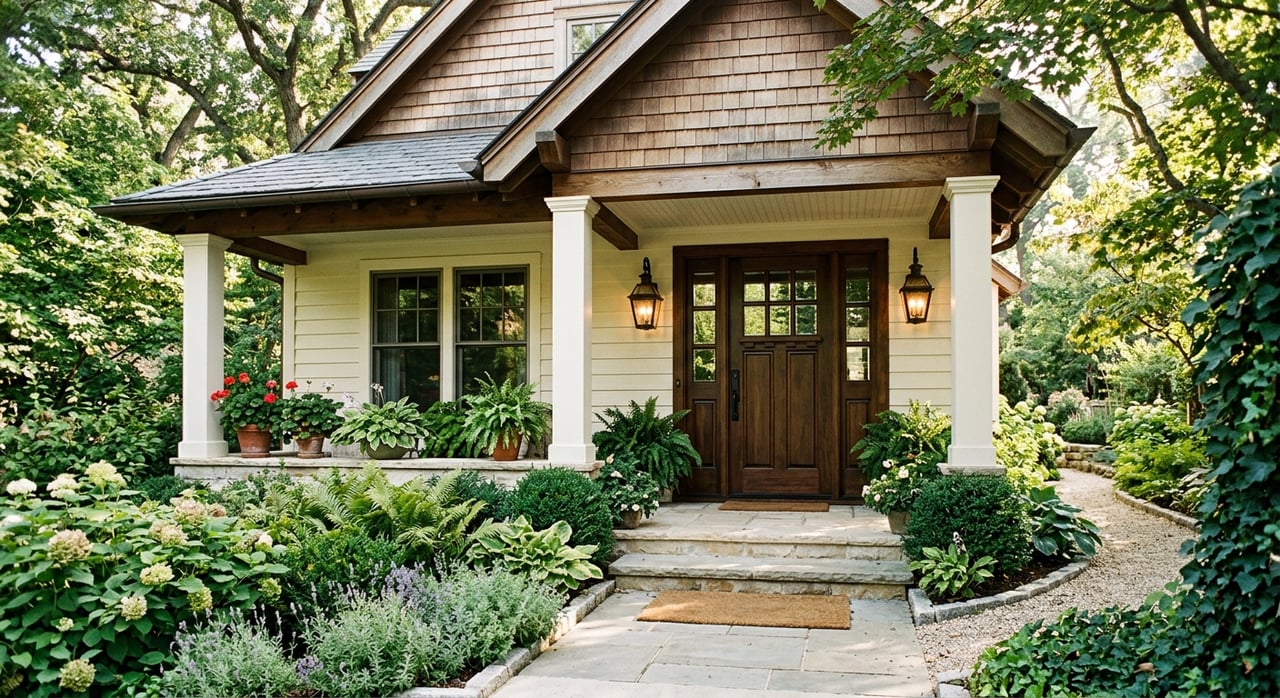
If you are considering a second home on the Peninsula, Portola Valley can look like a rare find. It offers open space, privacy, and a slower pace that feels very different from higher-density markets nearby. But before you buy, it helps to understand that this is not a casual lock-and-leave purchase in the usual sense. It is a lifestyle decision with real maintenance, tax, and planning considerations. Let’s dive in.
Why Portola Valley Appeals
Portola Valley stands out because it has developed slowly and intentionally. According to the town, there are 1,900 acres of permanent open space within Portola Valley, with a long-term goal of preserving natural settings, wildlife, native plants, scenic views, and the town’s rural character through its open-space and preservation approach.
For you as a second-home buyer, that matters because scarcity is part of the value story. Portola Valley is not trying to become a dense, amenity-heavy suburb. Instead, it offers a more private, landscape-driven ownership experience that often appeals to buyers looking for a long-term retreat rather than a purely transactional purchase.
What Kind of Second-Home Buyer Fits
Best for lifestyle-driven ownership
Portola Valley may be a strong fit if you want a second home that supports regular personal use. The town describes itself as a place filled with trails and open spaces for hikers, bikers, and equestrians, and Windy Hill Preserve access from Portola Road adds to that outdoor appeal.
That makes the area especially compelling if you picture weekends centered around trail access, quiet surroundings, and time outdoors. In that sense, the home functions less like a vacation property in a resort market and more like a private base for seasonal stays, extended weekends, or a long-hold lifestyle asset.
Less ideal for low-effort ownership
Portola Valley may be less suitable if your goal is a very low-maintenance second home with broad convenience nearby. The town does offer practical civic resources at the Town Center, including a county library with Wi-Fi, a community hall, recreational fields, Town Hall, and a maintenance building.
Still, the amenity profile remains intentionally small-scale, and some public facilities have limited hours. If you will only be in residence occasionally, that can affect how you think about errands, local services, and the day-to-day realities of owning property from a distance.
Understanding the Market Dynamics
Expect a thin luxury market
Portola Valley is an expensive market, even within San Mateo County. Redfin’s February 2026 market data reported a median sale price of $5.1 million, with only 4 homes sold and a median of 132 days on market.
At the same time, Realtor.com’s January 2026 94028 overview reported 15 homes for sale, a median listing price of $4.698 million, and a median of 80 days on market. The exact read on leverage can shift because the sample size is small, but the broader point is clear: this is a thin luxury market where conditions can change quickly.
Think long-term, not fast-turnover
If you are buying in Portola Valley, it helps to think in longer time horizons. Small numbers of listings and sales can create uneven short-term signals, which means a single quarter may not tell the full story.
For broader context, the FHFA House Price Index for San Mateo County rose from 245.43 in 2019 to 288.75 in 2024. That does not guarantee Portola Valley-specific appreciation, but it does suggest a generally supportive county-wide value backdrop for buyers focused on long-duration ownership.
The Real Cost of Part-Time Ownership
Maintenance is part of the strategy
One of the biggest mistakes second-home buyers can make is underestimating operations. In Portola Valley, ownership comes with real land stewardship responsibilities, especially if your property will sit vacant for stretches of time.
The Woodside Fire Protection District serves Portola Valley and provides wildfire readiness information, home assessments, Firewise resources, and a vegetation chipping program. Its guidance notes that owners are responsible for maintaining defensible space up to the property line, which means landscaping, vegetation management, and regular inspections should be treated as core ownership costs, not optional extras.
Emergency planning matters too
Wildfire is not the only issue to plan for. The district’s severe weather preparedness guidance points residents to local emergency alerts and references a Portola Valley sandbag station.
For a part-time owner, that is a useful reminder that weather readiness still matters even when you are away. You need a plan for alerts, property checks, and access if a storm event affects the area while the home is unoccupied.
Seismic risk belongs in your checklist
Portola Valley’s location adds another layer to second-home planning. The town notes that it sits astride the San Andreas Fault on its history page.
That does not make ownership unworkable, but it does mean seismic preparedness should be part of your due diligence. If you want a true lock-and-leave property, you will want to think carefully about systems, inspections, and how the home will be monitored when you are not there.
Tax and Carrying Costs to Review
Second-home tax treatment is different
Before you buy, it is wise to review the tax side with qualified professionals. San Mateo County states that supplemental property taxes are triggered by a change in ownership or new construction, and the county assessor notes that California’s Homeowner Exemption applies only to a principal residence.
In practical terms, that means a second home does not qualify for that exemption. If you are comparing Portola Valley to a primary-home move or another ownership structure, this distinction can affect your true annual carrying cost.
Some rules may help specific buyers
Certain buyers may have planning opportunities, but the rules are specific. The California Board of Equalization says Proposition 19 can allow eligible homeowners age 55 or older, certain disabled homeowners, and some disaster victims to transfer a base-year value to a replacement primary residence, subject to conditions, as summarized through the county’s supplemental tax guidance.
Federal tax treatment can also differ depending on how you use the property. The IRS treats a main home or second home as a qualified home for mortgage-interest purposes, but the deduction remains subject to federal limits and use rules, so personal tax advice is essential before you make assumptions.
A Simple Way to Decide
If you are weighing whether Portola Valley makes sense as a second-home strategy, these questions can help clarify the fit:
- Do you want a home you will use regularly, not just occasionally?
- Are you drawn to privacy, open space, and trail access more than walkable retail or broad local amenities?
- Are you comfortable with estate-style maintenance and ongoing property oversight?
- Can you hold the asset for the long term rather than relying on short-term resale timing?
- Have you reviewed carrying costs, supplemental taxes, and ownership structure with your advisors?
If you answer yes to most of these, Portola Valley may be a smart strategic fit. If you want low-friction ownership, lighter maintenance, or a more liquid second-home market, it may be worth comparing other options.
The Bottom Line
Portola Valley tends to work best for buyers who want a long-duration lifestyle asset with strong scarcity characteristics and meaningful access to open space. It is less aligned with a low-carry, low-maintenance, high-turnover second-home plan.
That is exactly why careful buying matters here. With the right strategy, property selection, and due diligence, a Portola Valley second home can offer privacy, long-term utility, and a distinctive ownership experience that is hard to replicate elsewhere on the Peninsula.
If you are considering a second home in Portola Valley and want a discreet, data-driven perspective on fit, valuation, and available opportunities, Stephanie Elkins offers tailored guidance for luxury buyers across the inner Peninsula.
FAQs
Is Portola Valley a good place for a second home?
- Portola Valley can be a strong second-home option if you value open space, privacy, and outdoor access and are comfortable with long-term ownership and ongoing property maintenance.
Is Portola Valley easy to own as a part-time resident?
- Portola Valley can be rewarding for part-time owners, but it is not typically a low-effort market because wildfire readiness, weather planning, landscaping, and routine property oversight are important.
How expensive is the Portola Valley housing market?
- Recent market reports cited in this article show Portola Valley in the roughly $4.7 million to $5.1 million range, depending on whether you look at listing or sale data and the specific reporting period.
Do second homes in Portola Valley qualify for California’s Homeowner Exemption?
- No. San Mateo County states that the Homeowner Exemption applies only to a principal residence, not to a second home.
What should buyers review before purchasing a second home in Portola Valley?
- You should review market conditions, wildfire and severe weather readiness, seismic considerations, supplemental taxes, carrying costs, and your expected usage pattern before moving forward.