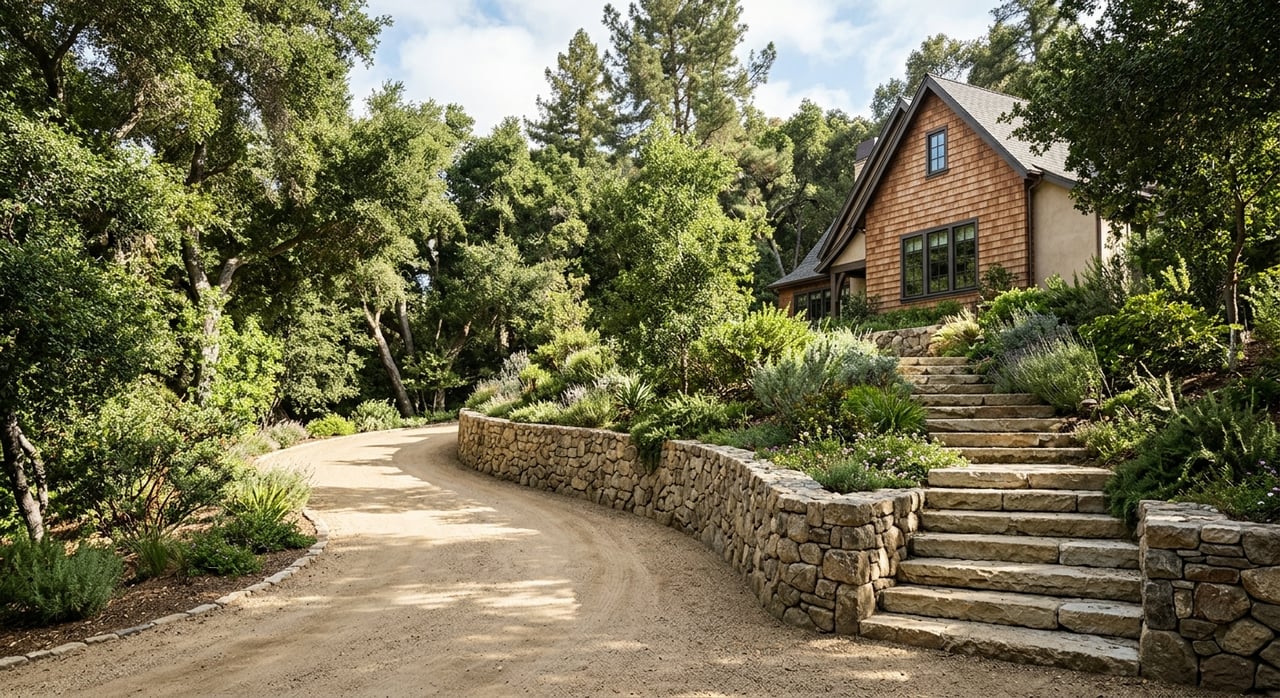
When you look at an estate property in Woodside, the house may catch your eye first, but the land often carries a large part of the story. In a town defined by large parcels, wooded hillsides, scenic roads, and a rural setting, two properties with similar square footage can offer very different value because of the site itself. If you are buying, selling, or planning improvements, understanding land value can help you make smarter decisions and avoid costly assumptions. Let’s dive in.
What land value means in Woodside
In San Mateo County, assessed value is allocated separately between land and improvements. That matters because when new construction is added, the Assessor generally adds the market value of that construction to the existing assessment, while the land itself is not reassessed beyond the annual inflation adjustment.
For owners and buyers, that is an important distinction. An assessed land value is part of a tax framework, but it is not the same thing as the market’s opinion of what a site is worth. If the land-improvement split on a tax record looks surprising, that alone does not mean the property is overvalued or undervalued in the market.
Woodside’s planning framework also helps explain why land can carry unusual weight here. The town describes itself as a rural, wooded, low-density community shaped by hillsides, stream corridors, scenic vistas, narrow country roads, and large lots, with buildings intended to remain subordinate to the land.
That planning vision affects how buyers experience value. In Woodside, the setting, privacy, usability, and development potential of a parcel can be just as important as the residence that sits on it.
Why the site often drives estate value
Not all acreage is equal. A five-acre parcel with broad usable areas, practical access, and fewer physical constraints may be far more functional than a larger parcel with steep terrain, limited road access, or sensitive natural features.
Woodside’s land-use rules reflect this reality. RR parcels are generally 3 acres or larger, while SCP-5 applies to sites of 5 acres or more that are intended for reduced human density because of conditions like steep hillsides, geologic hazards, difficult access, or soil and water issues.
In simple terms, lot size alone does not tell you enough. What matters is how much of the site is truly usable, how much is constrained, and what the property can realistically support over time.
Topography shapes usable land
In Woodside, slope is one of the biggest drivers of land value. The town’s planning materials identify steep terrain, slope stability issues, and difficult grades as major development concerns in some areas.
That has a direct effect on what you can do with a parcel. As slopes increase, usable building area can shrink, and site planning often becomes more complex.
This is why two estate properties with the same acreage can feel very different in practice. One may offer broad flat areas for outdoor living, circulation, and future improvements, while another may have much less functional land than the total lot size suggests.
Access can add value or limit it
Access is another core part of the value equation. Woodside’s circulation policies note that private-road maintenance is the responsibility of property owners, and new land divisions are expected to provide emergency access, two means of access, and private road maintenance agreements.
For estate properties, this can affect both convenience and future planning. Limited road widths, long private approaches, and egress requirements can influence how a parcel is used and how buyers perceive it.
A beautiful site with challenging access may still command strong interest, especially where privacy is a priority. Still, access conditions often affect feasibility, timeline, and the cost of any future work.
Trees, privacy, and estate character
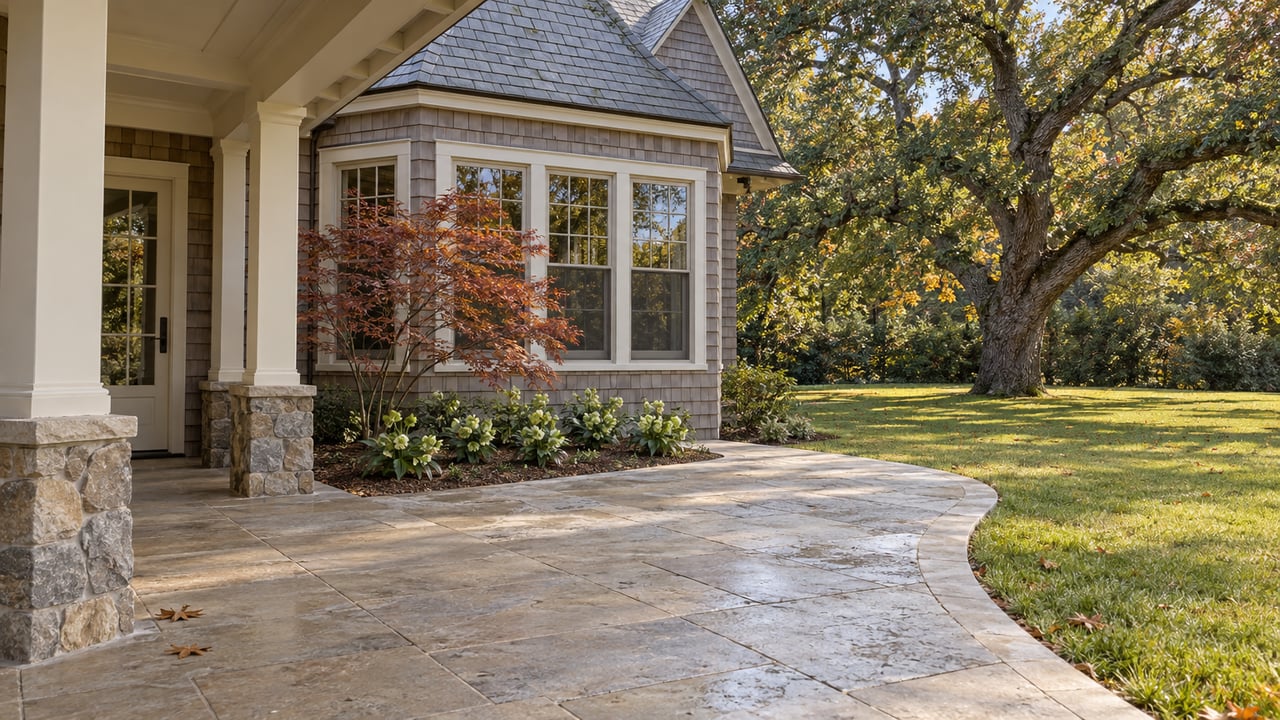
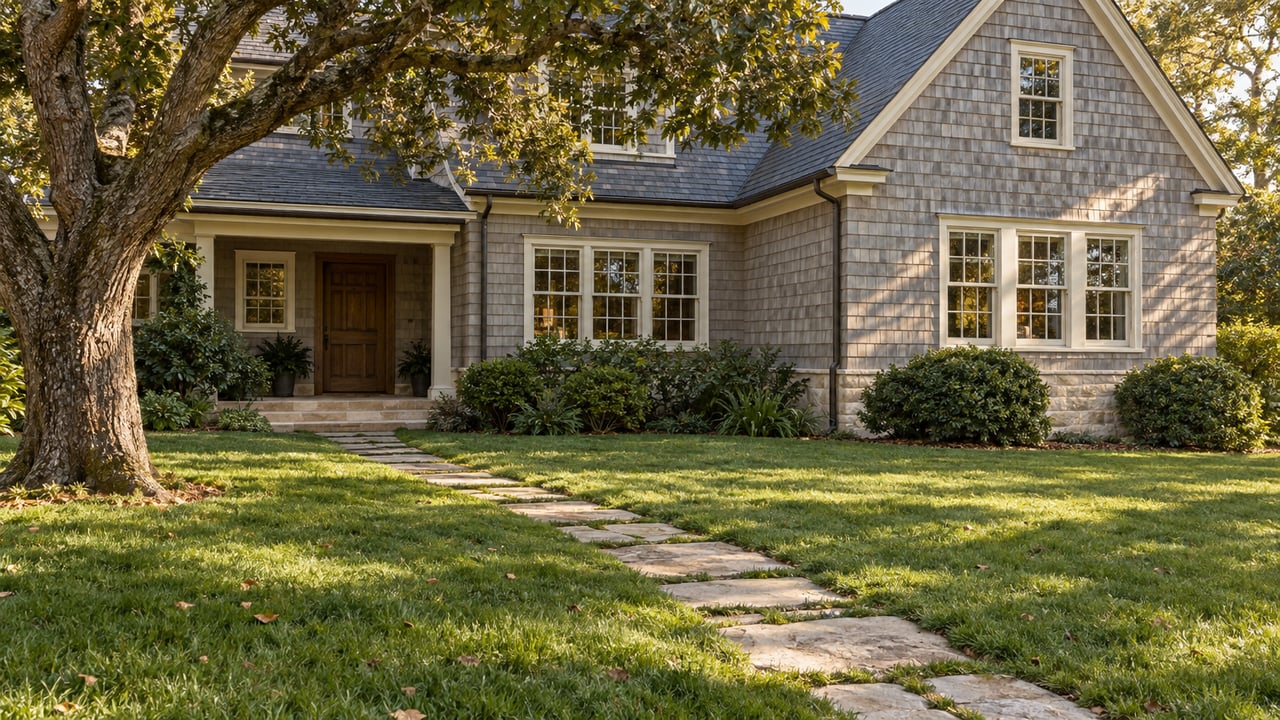
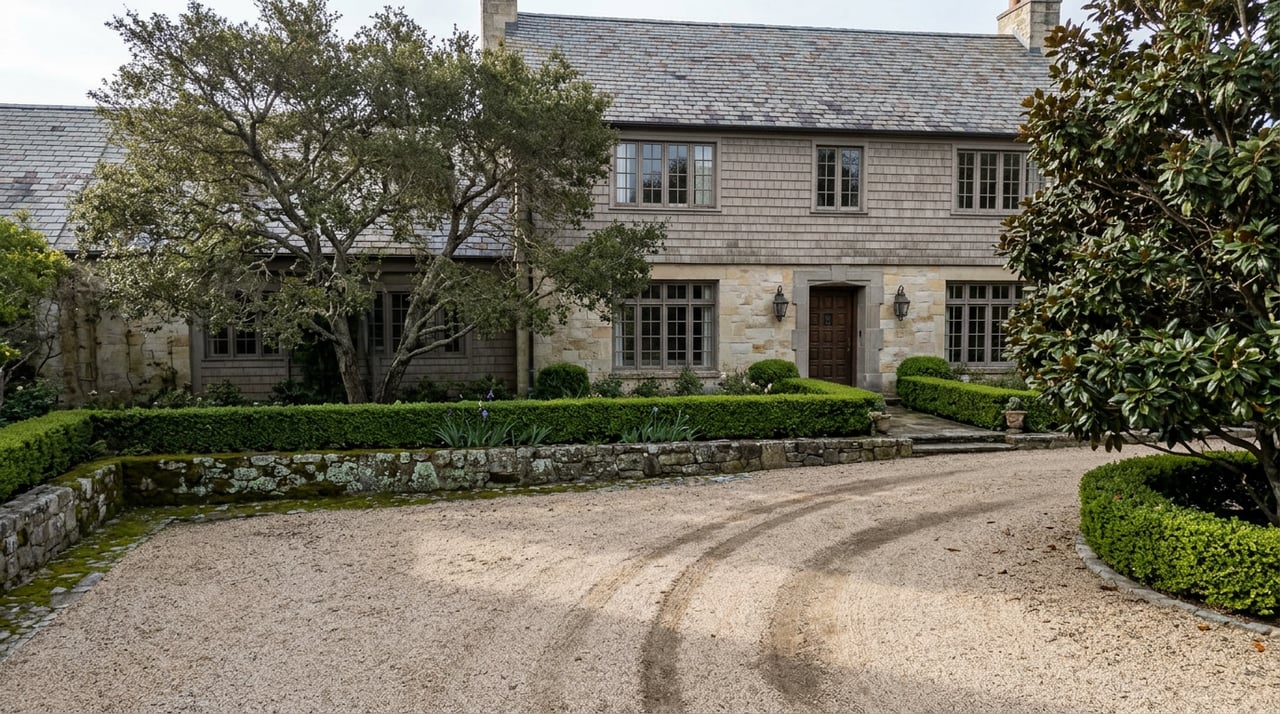
In Woodside, mature landscape is often part of the appeal. Trees, screening, and controlled entry can enhance privacy and reinforce the estate feel that many buyers want.
At the same time, these features can come with added layers of review. Tree removal is regulated by permit, and applications must show the location of significant trees in relation to structures, property lines, easements, stream corridors, trails, and other site elements.
Other estate features also require permits. Entry features, gates, fences, walls, pylons, and berms are reviewed by the Town, and automatic gates are reviewed by the Fire District.
For buyers and owners, that means landscaping can be both an asset and a planning consideration. Mature canopy may support privacy and visual appeal, but it can also shape what is possible when you redesign or expand.
Scenic setting affects the value story
Woodside places a high value on preserving scenic vistas and rural character. The town’s circulation element notes that scenic or conservation easements may be required along roads to protect views and maintain the natural setting.
This helps explain why one parcel may feel more open while another feels more secluded, even if the lot sizes are similar. The surrounding visual environment, road relationship, and protected view corridors can all contribute to market appeal.
For sellers, this is often part of the property’s strongest narrative. The quality of the setting, not just the size of the house, can be central to how a Woodside estate is understood and valued.
Fire exposure matters in Woodside
Woodside is an urban-wildland interface community, and fire exposure is part of land value analysis. The town’s fire-hazard mapping considers factors such as slope, fuel loading, fire weather, and winds, and local defensible-space and fuel-mitigation programs are part of the landscape.
For a buyer, this can influence both comfort level and future planning. For an owner, it may affect maintenance, improvement strategy, and how the property is presented to the market.
This does not mean a property is less desirable. It means land value in Woodside is tied to real site conditions, and fire-related factors are one of the practical issues that shape buyer perception and project feasibility.
Hidden constraints can affect future plans
Some of the most important land-value questions are not obvious from a driveway tour. Woodside’s official map set includes layers for fire-hazard severity, geologic hazards, flood zones, scenic corridors, and vacant parcels.
These maps are often the starting point for understanding what a site can realistically support. A parcel may appear expansive and flexible, but hidden constraints can narrow the building envelope or increase the work needed before improvements move forward.
The town’s Natural Hazards and Safety Element also limits structures in flood areas and requires geotechnical reports where the Town has information indicating expansive soils or bedrock. In other words, conditions below the surface can matter just as much as what you see above ground.
Stream corridors and setbacks reduce buildable area
Woodside’s stream-corridor protections are especially important. A town housing-element update states that the protected stream corridor is generally 50 feet from the centerline or 25 feet from the top of bank, whichever is greater, and no structure, including a fence, is allowed within the corridor except for limited uses.
Setbacks matter too. In the RR zone, the standards show 50-foot basic yard setbacks for structures under 17 feet in height, with only limited exceptions.
This is a key point for estate buyers. A large parcel can still have a much smaller usable building envelope than you might expect once stream protections, setbacks, slopes, and other constraints are layered together.
Even ADU potential is site-specific
Accessory dwelling units can be a useful lens for understanding Woodside land value because they show how local rules meet site realities. The town notes that even pre-approved ADU plans still need to fit the specific property conditions.
That includes issues such as steep slopes, easements, stream corridors, geotechnical and seismic hazards, septic and infrastructure suitability, and Fire District standards. So even when a concept seems straightforward, the parcel itself still controls much of the answer.
For buyers who want flexibility, this is an important reminder. Future potential is valuable, but in Woodside it should always be tested against actual site conditions.
Timing can affect project economics
Land value is not just about what can be built. It is also about how and when work can happen.
Woodside has an annual grading moratorium from October 15 to April 15, with exposed graded surfaces winterized by November 1. That can affect project timelines, carrying costs, and coordination for buyers planning immediate improvements.
On estate-scale properties, even timing rules can become part of the overall value equation. A parcel with a more straightforward path to improvement may offer practical advantages over one with heavier site and scheduling constraints.
What buyers should evaluate first
If you are buying in Woodside, it helps to focus on the land before assuming future possibilities. Some of the most useful questions include:
- Is the parcel buildable as it sits today?
- How much of the site is truly usable versus constrained by slope?
- Are there stream corridors, easements, flood concerns, or geologic issues?
- How do trees and access affect planning?
- What future additions or site changes are likely to trigger extra review?
- Are septic, infrastructure, and Fire District considerations likely to shape the plan?
These are the kinds of issues Woodside’s own planning materials repeatedly flag. They are also the questions that often separate a beautiful property from a strategically strong one.
What sellers should highlight
For owners preparing to sell, the strongest value story is often broader than square footage. In Woodside, buyers often respond to the quality of the site itself.
That can include privacy, usable flat areas, mature landscape, road separation, scenic setting, and the plausibility of future improvements. These factors often help explain why one estate parcel commands more attention than another with a similar home size.
A thoughtful valuation should account for both the visible appeal of the property and the practical realities of the land. In this market, the most compelling story is often a combination of beauty, function, and feasibility.
Understanding land value in Woodside takes more than reading lot size from a listing or looking at the assessed split on a tax record. You need to understand the terrain, access, constraints, and enhancement potential that shape how a property lives today and what it may support tomorrow. If you want a discreet, informed perspective on how site characteristics affect value, Stephanie Elkins offers private valuations and strategic guidance for Woodside estate properties.
FAQs
What does land value mean for a Woodside estate property?
- In Woodside, land value reflects more than acreage. It often includes usable area, privacy, access, scenic setting, and the site conditions that affect current enjoyment and future improvements.
How is assessed land value different from market value in San Mateo County?
- San Mateo County separately allocates assessed value between land and improvements for tax purposes, but that assessed split is not the same as a market opinion of what a Woodside parcel is worth.
Why does slope matter for Woodside land value?
- Steep terrain can reduce usable building area, complicate site planning, and affect the feasibility and cost of future improvements, which can all influence value.
How do stream corridors affect Woodside estate parcels?
- Protected stream corridors can limit where structures and even fences may be placed, which may significantly reduce the practical building envelope on a large lot.
Do trees and gates add value on Woodside properties?
- They can support privacy and estate character, but they may also involve permits and design constraints that affect how the site can be changed over time.
What should a buyer review before planning improvements in Woodside?
- A buyer should review site-specific factors such as slopes, access, fire-hazard conditions, geologic and flood constraints, stream corridors, easements, septic suitability, and applicable Town and Fire District standards.