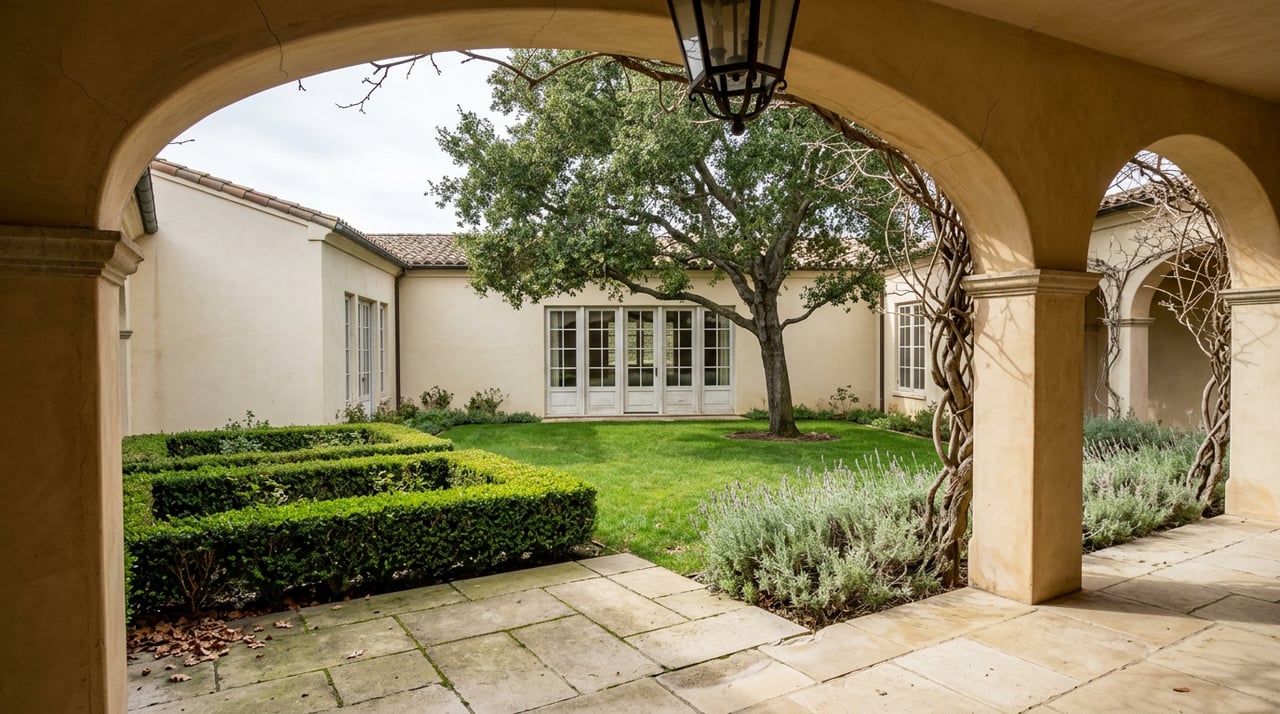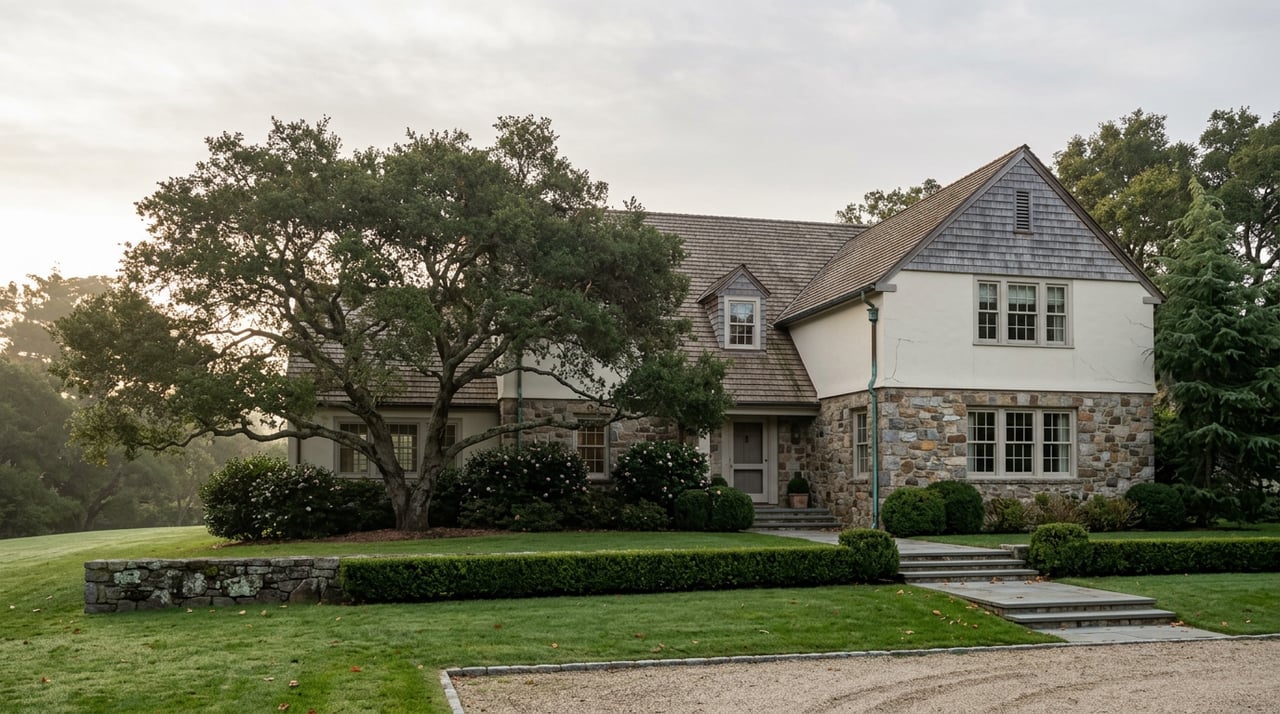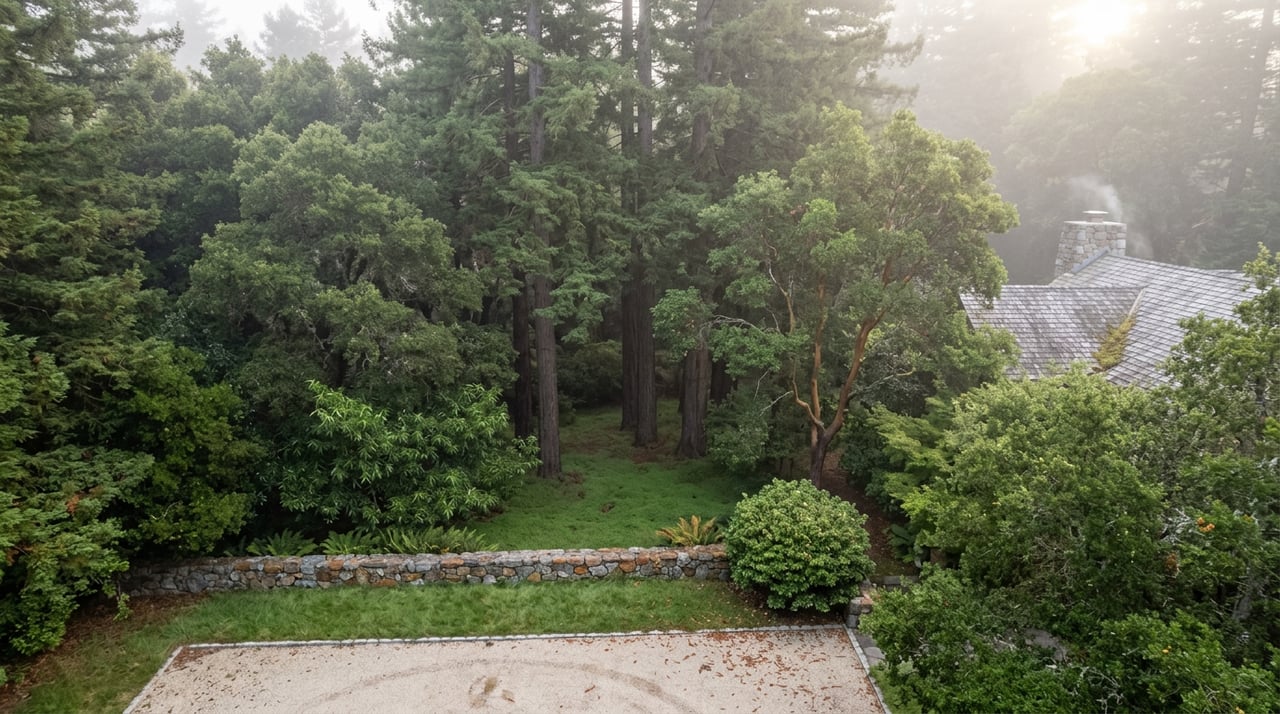
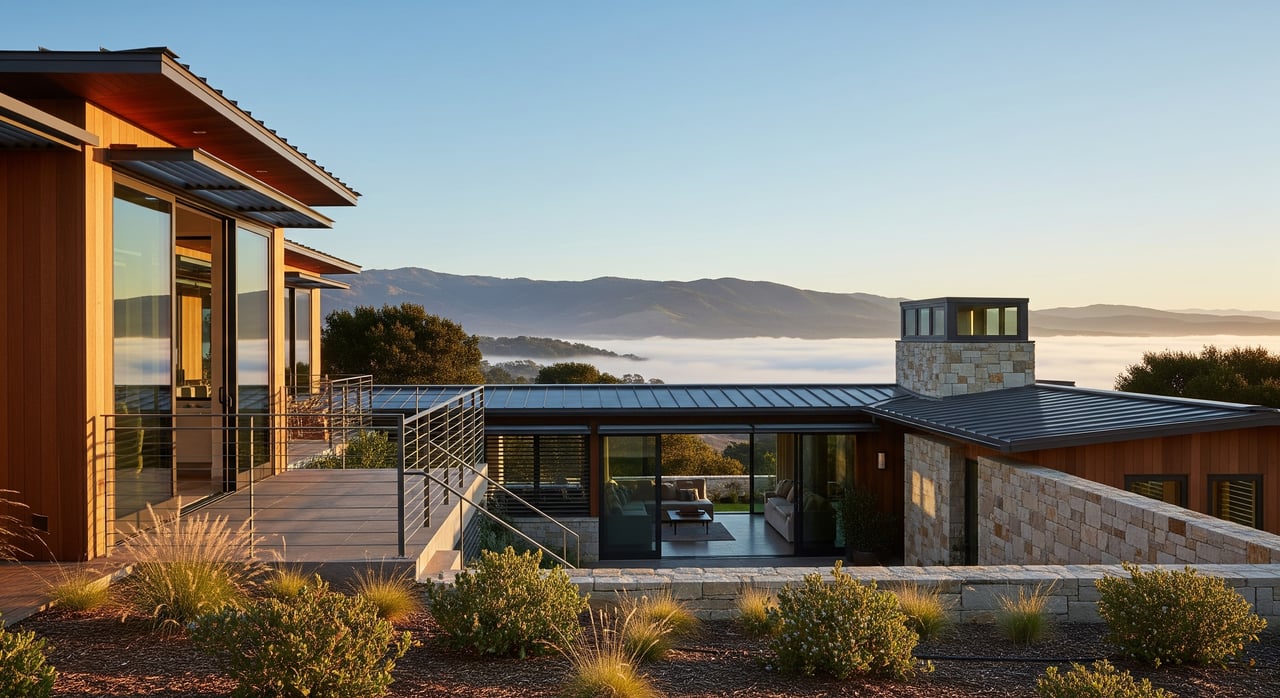
A five-minute drive in Portola Valley can take you from fog-kissed redwoods to sunlit ridges. If you are buying or selling here, that shift matters for comfort, energy use, landscaping, and daily life. The right orientation and design choices can turn a home into a year-round retreat, while mismatches can create cold rooms, hot patios, or high utility bills. This guide shows you how Portola Valley’s microclimates shape homes and how to evaluate those details with confidence. Let’s dive in.
Portola Valley microclimates explained
Portola Valley sits on the eastern slopes and canyons of the Santa Cruz Mountains, where ridgelines, sheltered hollows, and valley floors sit close together. This topography drives big differences in sun, wind, fog, and temperature over short distances. You will notice it with morning sun, afternoon breezes, and how quickly outdoor surfaces dry after a cool night.
In summer, a marine layer forms over the coast and pushes inland through low points and canyons. Properties above that layer often enjoy early sun, while homes within or below it can see cooler mornings and higher humidity. Afternoon sea breezes tend to come from the west or southwest, and canyon alignments can channel or block that airflow.
At night, cold air drains downhill and pools in low-lying areas, which can bring colder temperatures and occasional frost to valley bottoms and creek-adjacent lots. Vegetation and soils matter too. Dense canopy areas stay cooler and moister, while open ridges heat faster and dry out sooner. Drier, wind-exposed slopes with grass and chaparral also tend to carry higher wildfire risk.
Home orientation and siting
Aspect: north vs. south
South-facing slopes receive more sun, which supports passive winter warming and strong solar potential. Outdoor spaces on the south side feel sunnier and drier, which is pleasant in winter. Without shading, these areas can run hot in summer, so plan for adjustable shade.
North-facing slopes are cooler and shaded for longer parts of the day. That can reduce summer cooling needs and make for comfortable sleeping areas, but it also limits solar potential and can lead to longer surface dampness after rain.
Elevation and marine layer
Homes above the typical fog line catch earlier summer sun and more consistent solar exposure overall. That can benefit solar production and outdoor living. Homes within the marine layer often see later morning sun, cooler daytime highs, and more moisture on siding and hardscape.
Ridge, canyon, and valley-floor sites
Ridge sites enjoy broad sun and views, along with reliable solar access. They also see more wind and lower humidity, which can stress plants and raise wildfire exposure. Canyons and valley floors tend to be cooler and more sheltered, with higher humidity and tree canopy. These spots can be calm and comfortable in summer, but they carry frost potential in winter and a greater need to manage moisture.
Tree canopy and shade
Mature oaks and redwoods can cool the home in summer and reduce AC needs. The tradeoff is winter shade, slower drying, and tree-related maintenance such as leaf litter in gutters. Dense canopy also reduces rooftop solar output and can add moss or mildew risk on shaded surfaces.
Daylighting and cross-ventilation
Aligning operable windows with typical west or southwest breezes supports natural cooling. Cross-ventilation works best when there is a clear airflow path across the main living spaces, without overexposing rooms to chilly evening winds. Locate openings to capture breezes during warm afternoons while controlling for foggy or smoky conditions.
Design and renovation moves
Windows and seasonal shading
Use window placement and overhangs to invite low winter sun while blocking high summer angles. Deciduous trees, exterior shades, and pergolas give you flexible control. In living spaces that face south, pair generous glazing with well-designed shading to prevent overheating in late summer.
Rooftop solar strategy
Prioritize south-facing, unshaded roof planes for panels. If morning fog is common, emphasize afternoon sun windows in the design and adjust production forecasts. Keep branches trimmed and plan for periodic module cleaning where leaf litter or dust is likely.
Outdoor living zones
Place primary patios or decks on the south side for winter sun. Add layered shade for summer comfort, such as trees combined with a pergola and retractable fabric. Use wind screens or natural windbreaks in exposed areas, and confirm that all outdoor elements respect defensible-space guidelines.
Fire-hardening on exposed sites
On wind-exposed or ridge sites, upgrade vents to ember-resistant designs and choose non-combustible or ignition-resistant siding and decking. Maintain clear zones around the foundation with hardscape, gravel, or irrigated plantings. Keep roofs and gutters free of debris, especially during dry, windy periods.
Landscaping and irrigation by microclimate
Plant selection that fits exposure
On dry ridges and south-facing slopes, lean on drought-tolerant, deep-rooted California natives that stabilize soil and need less water. In shaded canyons, choose shade-tolerant understory species and avoid sun lovers that struggle in low light. Match plant communities to the site’s sun, wind, and moisture.
Irrigation and soils
Split irrigation into zones, so sunny beds and shaded beds water at different rates. Use drip or micro-irrigation to minimize waste. On slopes, rely on contour planting, terracing, and permeable surfaces to slow water and limit runoff and erosion.
Defensible space and materials
Create a lean, clean, green area around structures. Keep the first few feet from the foundation non-combustible, then transition to low, irrigated plantings. Prune regularly, remove ladder fuels, and maintain trees so canopies do not overhang the roof.
Outdoor comfort planning
Place seating and dining where you get winter sun and where afternoon wind is moderated by topography or screens. Use flexible shade so spaces remain usable from spring through fall. Confirm that outdoor features integrate with drainage patterns to avoid erosion.
Energy, HVAC, and maintenance
Heating and cooling loads
Canyon homes often need less cooling but may need more heating on clear winter nights or during prolonged fog. Sunny ridge homes benefit from passive solar in winter, yet they need solid roof insulation, effective shading, and appropriate glazing to avoid summer overheating. Size HVAC systems based on the site’s specific temperature patterns and envelope performance.
Solar PV and batteries
Solar output depends on shading, roof pitch, and seasonality. Sites above the fog line or with clear southern exposures produce more predictable energy. Cool ambient temperatures help panel efficiency, but dust and leaves reduce performance, so schedule cleanings and trimming.
Ventilation and air quality
Use natural ventilation when breezes are favorable, and rely on mechanical systems with high-efficiency filtration during wildfire smoke events. Seal small gaps, maintain filters, and consider dedicated air filtration for sensitive spaces. Balanced ventilation improves comfort in both warm and cool microclimates.
Maintenance rhythms by site
Shaded, damp properties may need more frequent gutter cleaning, moss control, and checks for mildew on siding and basements. Wind-exposed sites benefit from periodic inspections of roofing, flashing, and exterior finishes. Fire-prone areas require regular fuel reduction and adherence to seasonal guidelines.
What to look for at showings
- Sun and aspect: Note which sides get morning and afternoon sun. Visit at different times if possible.
- Fog cues: Ask about typical summer fog and look for morning moisture on hardscape or siding that lingers into late morning.
- Wind flow: Identify nearby canyons or saddles that may channel breezes. Test cross-ventilation by opening opposite windows on a warm afternoon.
- Cold-air pockets: Look for valley bottoms or creek-adjacent areas that could collect cold air and frost on clear winter nights.
- Tree canopy and solar: Check proximity of branches to the roof and potential shading on panels throughout the day.
- Fire-readiness: Observe vegetation within 100 feet, hardscape at the foundation, and roof and gutter cleanliness.
- Drainage and erosion: Trace runoff paths on slopes, inspect retaining walls, and watch for past erosion scars.
- Outdoor living: Identify the most comfortable patio or deck location for winter sun and summer shade within defensible-space limits.
Three example home profiles
Example A: South-facing ridge home
Expect strong sun and wide views with reliable solar potential. Plan for summer shading, wind protection, and regular exterior inspections. Emphasize fire-hardening and a planting palette that thrives with lower humidity.
Example B: North-facing canyon home
Cooler and shaded, this setting supports restful bedrooms and summer comfort. Watch for slower drying surfaces, plan moisture management near foundations, and expect tempered solar output. Choose shade-tolerant plants and schedule routine gutter and moss control.
Example C: Valley-floor home near a creek
Often calm with steady moisture and cooler nights, these sites can favor gardens that enjoy consistent water. Confirm flood risk, check for frost potential, and monitor shaded areas for mold. Design drainage and paths to keep water away from structures.
Showcase advantages when selling
- Highlight lived experience: morning sun on the breakfast patio, evening breezes on the deck, or sheltered garden rooms that work year-round.
- Document improvements: solar production estimates, ember-resistant upgrades, irrigation zoning, and HVAC filtration for smoke days.
- Stage with the seasons: flexible shade on sunny terraces, warm lighting in cool, shaded corners, and clear pathways that show good drainage.
Compare neighborhoods like a pro
- Map the site: review topography, slope, and aspect to predict sun and wind. Note elevation relative to nearby ridges and canyons.
- Pre-screen risk: consult fire hazard and flood resources before touring, especially for creek-proximate properties.
- Validate in person: visit at different times of day and in different seasons to confirm fog, wind, and solar patterns.
- Rank the fit: score homes on aspect, tree cover, wind exposure, solar-ready roof area, and defensible space.
A thoughtful read on microclimate helps you find comfort, protect your property, and plan upgrades that pay off. If you want a private, data-informed perspective on a specific Portola Valley home, connect with Stephanie Elkins to Request a Private Valuation.
FAQs
What is the marine layer in Portola Valley?
- A cool, moist air mass from the Pacific that moves inland during warm months, bringing morning fog or low clouds to some canyons and valley floors while ridges may sit in sun above it.
How do ridges vs. canyons affect energy bills?
- Ridges often need more summer shading and wind protection, while canyons may need more winter heating and moisture control; HVAC sizing should reflect the site’s specific sun and temperature patterns.
What should I check for solar potential on a home?
- Confirm south-facing, unshaded roof planes, note morning fog frequency, and assess tree canopy for seasonal shading that could reduce production.
How do microclimates guide plant choices?
- Use drought-tolerant, deep-rooted plants on sunny, dry slopes and shade-tolerant species in cool canyons, then zone irrigation to match each area’s sun and wind exposure.
How can sellers present microclimate strengths in listings?
- Showcase daily comfort moments, share solar and energy data, and document fire-hardening, irrigation zones, and ventilation or filtration upgrades.
What maintenance issues are common in shaded canyon homes?
- Expect more frequent gutter and roof cleaning, moss or mildew checks, and careful grading or drainage to keep moisture away from walls and foundations.
Which tools help evaluate microclimate and risk before touring?
- Review topographic and parcel maps, fire hazard resources, and flood information, then verify on-site with visits at different times of day and season.