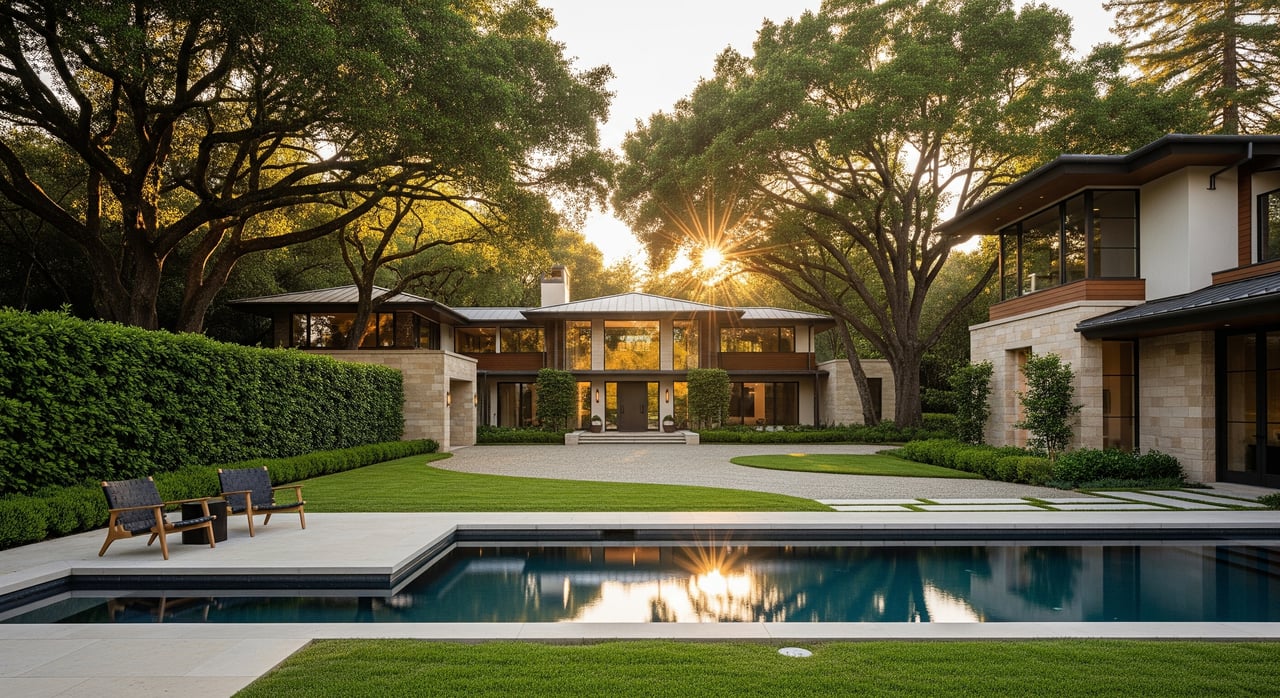
Looking for space, privacy, and design that feel rare on the Peninsula? In Atherton, those elements come together in a way few markets can match. Whether you are weighing a purchase or planning an estate transition, understanding what truly drives value here helps you make clear, confident decisions. This guide breaks down the defining traits, price bands, and timelines you can expect, along with practical steps to position your move for success. Let’s dive in.
Why Atherton stands apart
Atherton is one of the country’s most expensive, low-density residential markets. Large estate parcels, limited turnover, and a culture of discretion shape how homes are bought and sold. You see fewer listings, fewer public comps, and more reliance on broker networks and private introductions.
Supply stays tight because zoning favors large lots and single-family use. As a result, each new listing draws outsized attention, and the best-positioned properties can move quickly. If you value privacy, usable land, and quiet streets, Atherton sits in a category of its own.
Lot size and privacy drive value
In Atherton, the land is the story. Parcels often range from larger half-acre lots to multiple acres, with many premier homes on 1 acre or more. Usable acreage, setbacks, and mature landscaping often outweigh interior square footage in pricing.
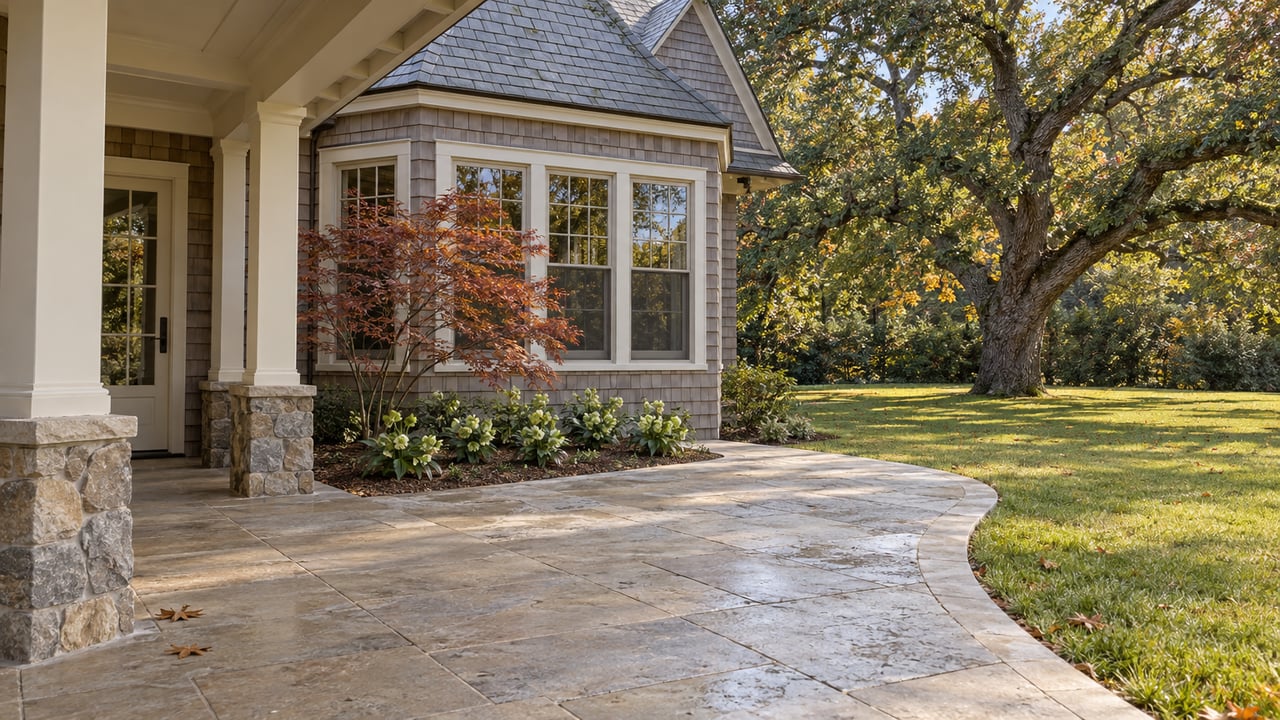
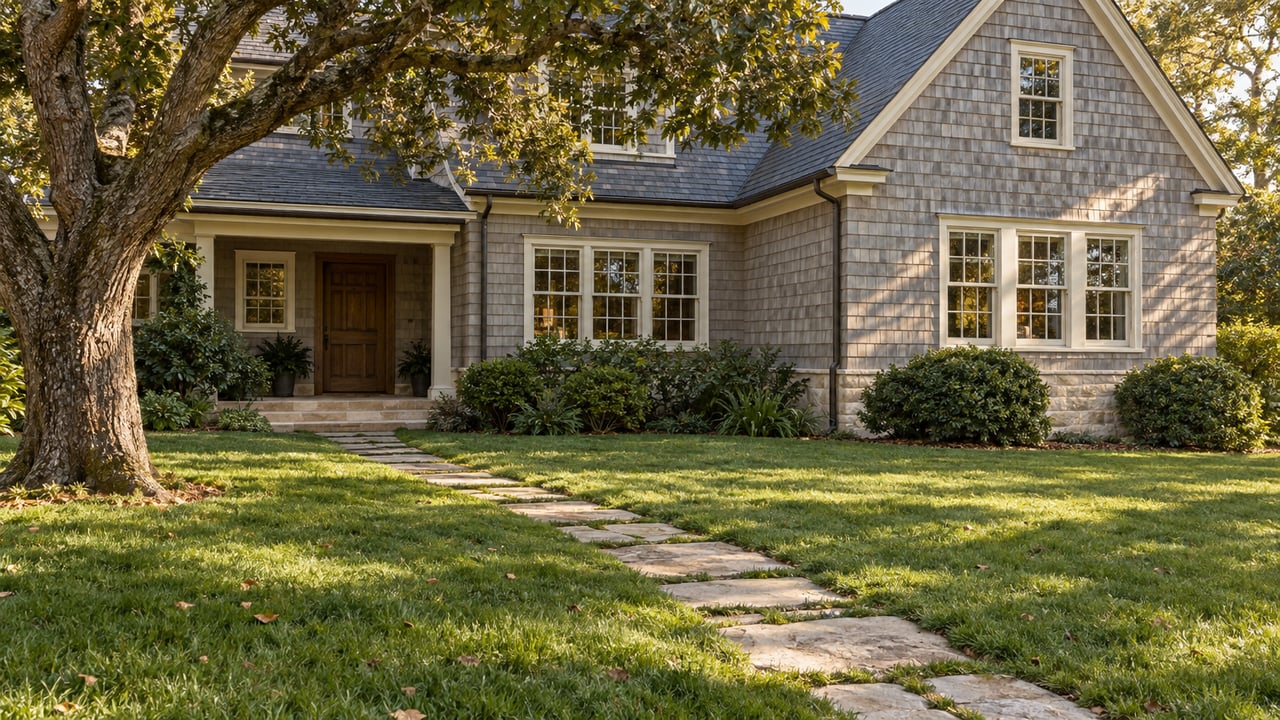
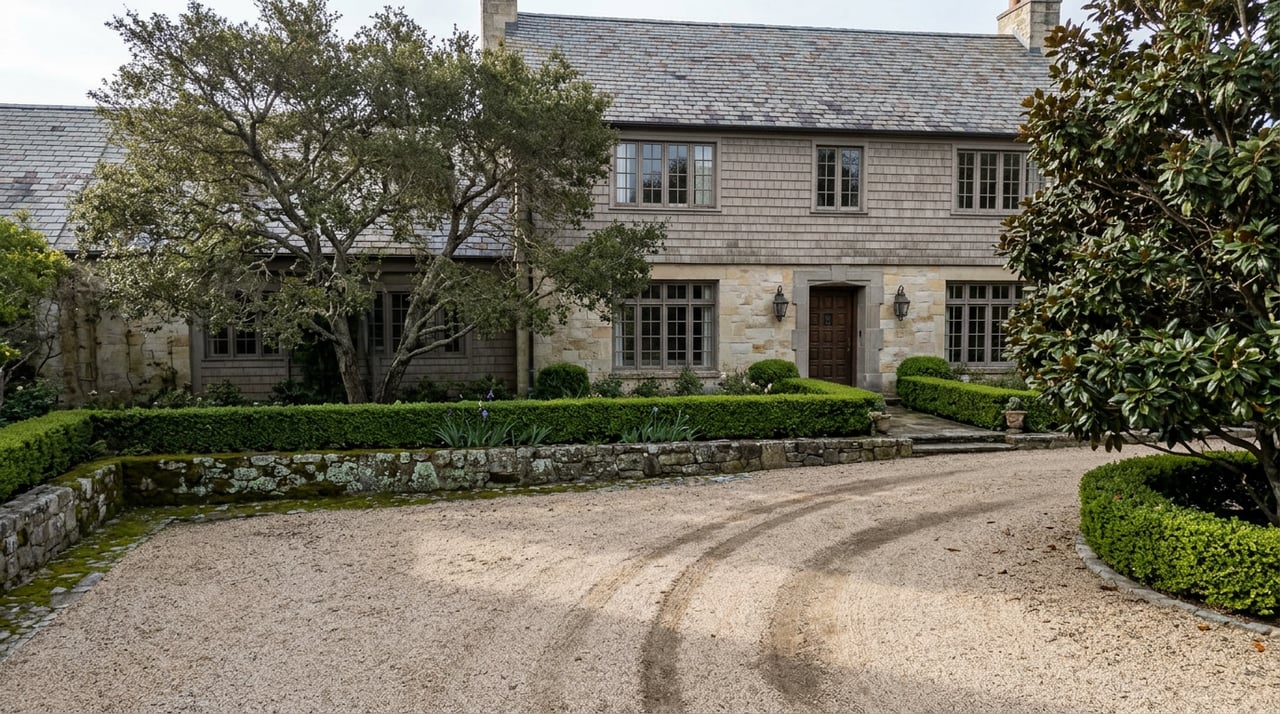
Buyers place a premium on privacy. Long driveways, gated entries, hedged perimeters, and distance from neighbors elevate both perceived and actual value. Flat lawns, guest areas, and well-planned outdoor amenities create a lifestyle that feels resort-like at home.
What to look for on-site
- Privacy cues: mature trees, layered plantings, and thoughtful site orientation.
- Usability: flat areas for play, entertaining, or sport courts, plus logical circulation between main house and outdoor spaces.
- Approaches and entries: estate drives, motor courts, and discreet service access for deliveries and staff.
- Lot-first valuation: for very large parcels, price-per-acre can be more useful than price-per-square-foot of the house. For smaller or heavily improved sites, treat it as one lens, not the only one.
Architecture and condition spectrum
You will find a broad mix of styles in Atherton. Classic Mediterranean, Colonial revival, and Tudor estates sit alongside mid-century modern homes and newly built contemporary or minimalist residences. Two active segments shape the market:
- Character estates that may require renovation, where architectural presence and site quality are the draw.
- New or extensively remodeled contemporary estates, often with open plans, expansive glass, and smart-home systems.
Renovate or build new?
Your decision starts with the parcel. Compare renovation scope against a full redevelopment timeline, then layer in permitting, neighborhood review, and site-specific factors like protected trees or grading. Many buyers find the land value justifies major improvements when the site is exceptional.
Costs, timing, and disruption all matter. Align the plan with your lifestyle and tolerance for project management, and involve architects and builders who work regularly in Atherton. A clear feasibility study prevents surprises and protects long-term value.
Amenities that move prices
Amenities can tip a decision when two properties look comparable on paper. The most requested features include:
- Pools and pool houses with protected outdoor living areas
- Guest houses or ADUs, staff suites, and flexible offices
- Sport courts and dedicated fitness or wellness rooms
- Wine storage and tasting areas, screening rooms, and catering-ready kitchens
- Infrastructure: robust mechanicals, advanced HVAC, high-capacity electrical with EV charging, smart-home integrations, and backup power
These features add both utility and future-proofing. They also influence ongoing maintenance planning, which is part of total cost of ownership in Atherton.
Price bands in Atherton
While every sale is unique, you can think about the market in three broad tiers:
- Entry-to-core luxury: smaller lots, older homes that need work, or modestly updated properties. Typical pricing sits in the high single-digit millions in balanced conditions.
- Mid/prime luxury: larger lots with renovated or newer homes, often in the mid- to high-teens of millions when market momentum is strong.
- Ultra-luxury/estate tier: exceptional acreage, rare privacy, or bespoke architecture. Trophy properties can command prices in the tens of millions, with some trades at $20M and above.
These ranges are directional only. Atherton’s small number of annual transactions means a single sale can shift the conversation, so fresh comparables are essential when you are ready to move.
How to read comps here
- Lead with land: adjust for lot size, usable acreage, and privacy levels first.
- Treat price-per-square-foot as secondary, especially for large parcels where land dominates value.
- Factor in renovation level, systems modernization, and permitted structures like legal guest houses or ADUs.
- When comps are sparse, review nearby premium markets such as Menlo Park, Woodside, and Portola Valley for context, but be explicit about zoning and density differences.
Market dynamics and timelines
Inventory is limited and many deals start quietly. Pocket listings and targeted outreach are common, especially for sellers who value discretion. That dynamic shapes timelines.
- Fast-track outcomes: Turnkey properties on strong lots, priced in a credible band, can trade in days to weeks. Cash or pre-arranged financing further compresses timelines.
- Extended campaigns: Highly customized estates, properties needing major work, or ultra-high price points can take months or longer. Some find the right match through private marketing over time.
- Escrow norms: Many transactions close on 30 to 45-day terms. Complex due diligence, surveying, engineering, or permitting dialogues can extend that window.
- Financing impact: Cash simplifies. Financed purchases add appraisal and lender requirements that can introduce negotiation points and time.
Seasonality exists but is softer than in the broader market. Many buyers have flexible timing. The spring selling rhythm still influences list activity, and some sellers choose fall or winter to face less competition. Because the buyer base is wealth-concentrated, stock market and tech-sector shifts can change demand quickly.
Selling strategy that works
Preparation and positioning are everything. Focus on clarity, privacy, and credibility.
- Pre-sale readiness: Complete inspections, gather permits and plans, prepare property histories, and invest in landscape and design-forward staging that suits an estate setting.
- Discreet marketing: Use best-in-class photography, drone and videography, and a privacy-conscious showing plan with vetted buyers.
- Pricing with intent: Anchor to a conservative range supported by two to three relevant sales. Overpricing in a thin market can stall momentum and lengthen time on market.
- Negotiation discipline: Prioritize proof-of-funds or pre-approval, define realistic contingency timelines, and be ready to collaborate on due diligence that is common for complex sites.
Buying strategy that works
Your edge as a buyer comes from access and preparation.
- Curated inventory: Work through a local network that sources both public and off-market options. Quiet opportunities are common.
- Be documentation-ready: Have current proof-of-funds or lender pre-approval, and line up inspectors and consultants who understand estate-scale due diligence.
- Think site-first: Evaluate parcels for usability, privacy, and constraints early. If you plan to build, initiate feasibility quickly.
- Balance speed with certainty: Move decisively when the right fit appears, without skipping the fundamentals that protect you long term.
Zoning, permits, and taxes to consider
Atherton’s planning framework favors low-density, single-family residential use, which is a big reason supply stays tight. Before you renovate or redevelop, review local zoning and any parcel-specific restrictions, and engage architects and builders who know the Town’s processes.
For significant site work, expect to commission reports such as geotechnical, drainage, and arborist analyses, especially on larger or heavily treed parcels. These factors affect both cost and timing.
On the tax side, long-time owners often hold favorable Prop 13 assessments, while buyers should plan for reassessment at purchase. Confirm any county or local transfer taxes and fees that may apply. If you anticipate a complex sale or purchase, speak with your tax advisor about capital gains treatment and planning strategies that fit your situation.
Due diligence essentials for buyers
Create a streamlined, professional process that matches the caliber of the asset:
- Title report and easement review
- Survey and boundary confirmation
- Structural, roofing, and mechanical inspections
- Arborist review of mature trees and maintenance needs
- Environmental or geotechnical studies if you plan site changes
- Utility verification, including sewer connections
- Permit history and confirmation of permitted accessory structures or ADUs
- Any HOA or recorded covenants, if applicable
A quick valuation example
Imagine two 6,000-square-foot homes that look similar online. One sits on a flat 1.3-acre parcel with a long setback, mature hedges, a guest house, and a pool. The other is on a smaller lot with limited privacy and fewer amenities. In Atherton, the first property often commands a materially higher price because the land, privacy, and permitted structures carry more weight than interior square footage alone. That is why a site-first lens is essential when you compare options.
The bottom line
Atherton’s luxury market rewards clear strategy. Lot size, privacy, and site usability drive value, not just interior finishes. With limited inventory and a strong off-market culture, the right property often sells to the right buyer through careful positioning and targeted outreach. If you plan ahead, align your pricing or offer with fresh comps, and bring the right team to the table, you can navigate this market with confidence.
Ready to talk timing, price band, or a private plan for your home? Connect with Stephanie Elkins to Request a Private Valuation.
FAQs
How is Atherton different from nearby towns?
- Atherton features larger, lower-density estate parcels, fewer annual sales, and a strong off-market culture, which magnifies the importance of lot size, privacy, and tailored marketing.
What matters more in Atherton, lot size or house size?
- Lot size, usable acreage, and privacy typically outweigh interior square footage, so similar homes can price very differently based on the land and permitted amenities.
How fast do turnkey Atherton homes sell?
- When well priced and positioned, turnkey properties can sell in days to weeks, especially with cash or pre-arranged financing and limited comparable inventory.
How long do complex or ultra-luxury estates take to sell?
- Highly customized, renovation-heavy, or trophy-tier estates may require months or longer, often benefiting from extended private marketing to find the right fit.
Should I renovate or build new on an Atherton parcel?
- Compare renovation scope against a new-build timeline and cost, then factor in permitting, neighborhood review, and site constraints like protected trees before deciding.
What should sellers prepare before listing in Atherton?
- Assemble inspections, surveys, title and permit history, utility records, and a clear improvements list, then invest in landscape and presentation to reduce buyer friction.