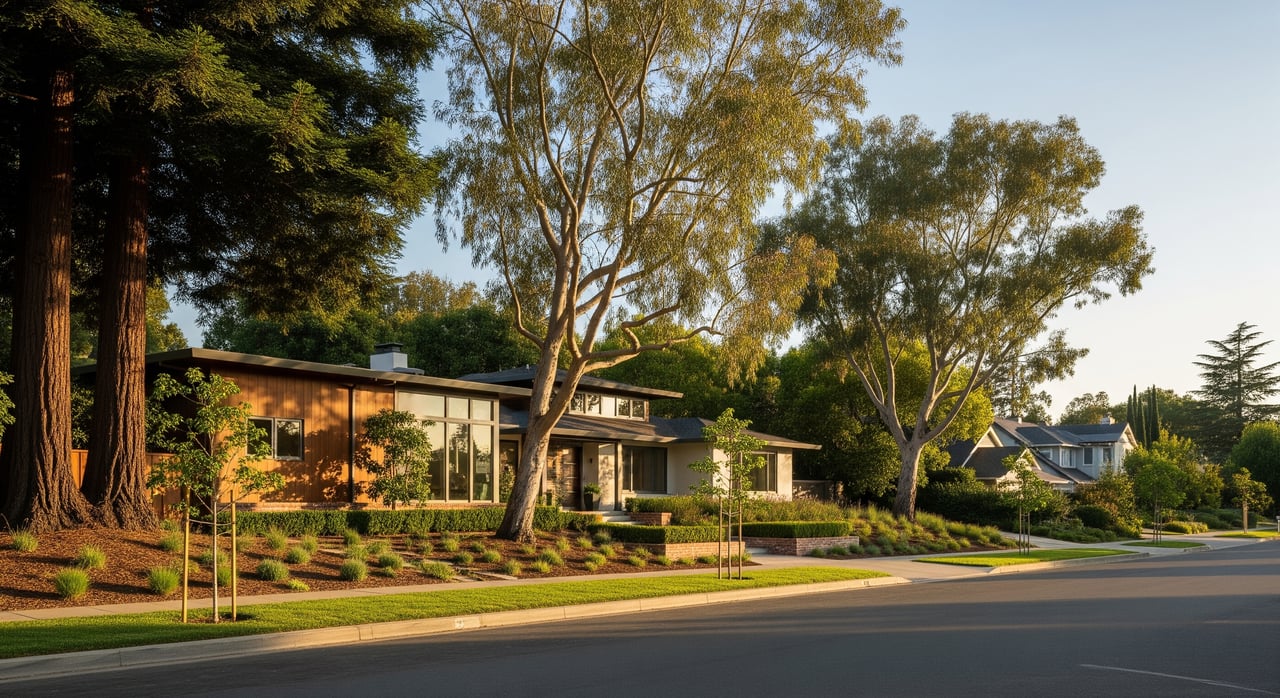
Choosing a neighborhood in Menlo Park can feel like choosing between great options. Each pocket has its own rhythm, architecture, and commute advantages, and the differences are subtle until you walk the streets. This quick guide gives you a concise read on the main micro-areas, what daily life feels like, and the practical steps to buy with confidence. Use it to narrow your short list, plan tours, and stress test your commute. Let’s dive in.
How to use this guide
You’ll find short neighborhood snapshots focused on ambiance, common home types, commute access, and nearby parks and retail. Then you’ll see practical guidance on housing stock, inspections, and offer strategy. If you’re comparing multiple areas, skim the buyer tip in each section to see what fits your priorities.
Neighborhood snapshots
Downtown Menlo Park
Walkable and lively, Downtown centers on Santa Cruz Avenue with tree-shaded sidewalks, morning-to-evening cafes, and restaurants. Homes nearby include early bungalows, Craftsman cottages, and renovated properties, plus townhomes and condos near the core. The Caltrain station sits close to the Village, and El Camino Real and Sand Hill Road are easy to reach. Small parks and plazas weave into the retail district.
- Price feel: High, especially within an easy walk of Santa Cruz Avenue.
- Buyer tip: If being on foot for dinner and coffee matters, start here and Allied Arts, and test the walk from each block to Santa Cruz Avenue.
Allied Arts and Central Menlo
This established pocket offers leafy streets and a calm, residential feel near the downtown edge. You’ll see a mix of Craftsman, bungalows, some Tudor revival, and mid-century homes, many with tasteful remodels. It is an easy bike ride to downtown and nearby tech corridors and close to small neighborhood parks.
- Price feel: High, with a premium for proximity to the Village and a quiet street setting.
- Buyer tip: If you want residential calm with quick access to downtown, shortlist this area and plan a daytime and evening visit.
West Menlo
Primarily residential and often quieter, West Menlo features larger lots and homes compared with the downtown core. Architecture runs from ranch and mid-century to newer rebuilds, with many properties heavily updated. You’ll have convenient car access to I-280 and local arterials, while Caltrain is a short drive away rather than on foot. Bayfront open space is an easy weekend trip.
- Price feel: Premium, especially for larger lots and updated homes.
- Buyer tip: If yard space and privacy rank first, focus here. Drive your typical route to I-280 during peak hours to confirm the time savings.
Sharon Heights
Sharon Heights has a planned, suburban feel with orderly streets, midsize yards, and a mix of single-family homes, townhomes, and condos. Many homes date to the mid-century and 1970s with modern updates. I-280 is close for south- or northbound commutes, and local shopping centers handle daily needs. Some pockets are part of HOAs near shopping or private club areas.
- Price feel: Upper-mid to high, depending on lot size and remodel level.
- Buyer tip: If you want low-maintenance ownership or community amenities, consider townhome and condo clusters here and confirm HOA dues and rules before you fall in love.
Belle Haven and East Menlo
Closer to the bayfront and regional open space, this area shows a varied, urban-edge character with a blend of single-family homes, townhomes, apartments, and newer infill. US-101 and Marsh Road are nearby for regional access, and some locations shorten drives to east-peninsula employment hubs. Parks and trails along the bayfront expand outdoor options.
- Price feel: More varied than other neighborhoods and influenced by block location and bayfront proximity.
- Buyer tip: If you want quick access to US-101 and bayfront recreation, explore here. Review floodplain maps early if you target streets near the waterfront.
Suburban Park, Felton Gables, and nearby pockets
These quiet enclaves offer a close-knit feel and predominantly single-family homes, many mid-century and earlier with thoughtful remodels. Access is typically car-first, though many blocks are a short bike ride to downtown. Streets tend to be calm with modest yards.
- Price feel: High relative to the Peninsula average, often slightly below the prime downtown or larger-lot West Menlo tiers.
- Buyer tip: If you want a residential setting without the top-of-market price tier, these pockets can be a smart fit. Visit midweek to gauge traffic and noise at commute times.
Built environment and housing basics
- Property types: Single-family homes dominate Menlo Park. You’ll also find duplexes, townhomes, and condos, especially closer to downtown and near major corridors.
- Lot sizes: West Menlo and areas near Atherton and the bayfront often offer larger lots. Downtown-area homes usually trade yard size for walkability.
- Architecture: Craftsman, bungalow, ranch, and mid-century styles are common, with many properties extensively remodeled or rebuilt in contemporary designs. Infill and ADUs are ongoing trends.
- HOAs: Most single-family streets are not in HOAs. Planned subdivisions and condo or townhome communities, especially around Sharon Heights and shopping centers, can include HOAs. Verify dues, CC&Rs, and any neighborhood-specific rules early.
Seismic, condition, and bayfront considerations
- Seismic risk: Older homes built before 1980 may need structural updates such as foundation bolting, chimney bracing, or soft-story reinforcement. Plan for thorough inspections and potential retrofit work.
- Foundations and drainage: Pay attention to grading and water management, especially on older lots. Near the bayfront, ask about past settlement or mitigation steps.
- Flood risk: Properties close to the waterfront can fall within mapped flood zones. Review FEMA and local floodplain resources and confirm any insurance requirements with your lender.
- Permitting: Menlo Park and San Mateo County handle permitting in different jurisdictions. Check zoning, height and bulk limits, and any overlay rules before planning major remodels.
Commute and transportation
Menlo Park gives you two primary highway corridors and a central rail option. US-101 on the east side and I-280 on the west side connect you north-south across the Peninsula. The downtown Caltrain station links to San Francisco and San Jose, with service patterns that vary by local, limited, and express trains. Bus service runs along major roads, and many employers operate shuttles.
How to match neighborhood to your commute
- If you want rail and dining on foot: Downtown Menlo Park and Allied Arts put you near Caltrain and the Village.
- If you prioritize yard space and I-280: West Menlo and Sharon Heights align with car-first routines and larger lots.
- If you need quick US-101 access: Look closer to the eastern corridors and Marsh Road.
- If you bike: Downtown and Allied Arts are the most bikeable pockets, with routes connecting into Palo Alto and the Bay Trail.
Commute testing tips
- Drive or take transit at your real commute times instead of relying on map estimates.
- Ask your employer about shuttle options and preferred pick-up routes.
- Check weekday versus weekend transit schedules if your routine shifts.
Parks, open space, and daily life
Menlo Park blends neighborhood parks with major regional open space. Bedwell Bayfront Park offers wide bay views, salt marsh habitat, and miles of trails popular with walkers and cyclists. The Bay Trail provides long-distance routes for exercise and commuting. Within town, you’ll find pocket parks and planned greenways near residential streets and downtown.
Dining and retail cluster along Santa Cruz Avenue downtown, where you’ll find morning coffee spots and evening restaurants. Sharon Heights Shopping Center and nearby plazas handle daily errands and casual dining for west-side neighborhoods. El Camino Real and Marsh Road corridors add service options, while nearby cities expand choices within a short drive.
Buyer due diligence checklist
Use this as a quick pre-offer framework.
- Confirm zoning and any HOA rules or CC&Rs if you plan to remodel, add an ADU, or rebuild.
- Order inspections: general home, pest and termite, and a sewer lateral scope for older neighborhoods. Add a seismic or structural review for pre-1980 homes.
- Review floodplain status if you are near the bayfront and confirm any flood insurance requirements with your lender.
- Check utilities: natural gas or all-electric systems, utility easements, and municipal sewer connections.
- Test the commute at peak hours and map shuttle or bike routes.
- Scan city and county planning resources for proposed projects or corridor studies that could affect traffic, views, or neighborhood character over time.
- Establish a realistic remodel budget and timeline if you plan updates. Confirm permitting path with the correct jurisdiction.
Offer strategy in a high-demand market
Menlo Park is a competitive Peninsula market, especially for turnkey properties and prime locations. Go in with a clear strategy and a prepped file.
- Align on budget and terms with your lender, then pressure-test your offer range and timelines.
- Balance speed with protection. If you need contingencies, tighten timelines and pair them with strong communication.
- Consider off-market opportunities and early looks. Many buyers here purchase homes that never hit broad circulation.
- Stay flexible on closing and possession to improve your offer’s appeal.
Putting it all together
A smart Menlo Park search starts with lifestyle fit, then verifies the commute and the property condition. Map your priorities to the right micro-areas, pressure-test the daily routine, and use inspections to de-risk the purchase. When you are ready to tour or want a curated property list matched to your commute and design goals, connect with a local advisor who can open doors on and off the market.
For a private, strategic approach tailored to your goals, reach out to Stephanie Elkins. Arrange a neighborhood walking tour, request a bespoke list of homes, or request a Private Valuation if you are selling and buying.
FAQs
What is the most walkable Menlo Park area for dining and coffee?
- Downtown Menlo Park, centered on Santa Cruz Avenue, and nearby Allied Arts offer the easiest on-foot access to cafes and evening restaurants.
How does commute access differ between US-101 and I-280 in Menlo Park?
- East-side neighborhoods are closer to US-101, while West Menlo and Sharon Heights favor I-280; test both routes at your actual commute times.
Are there HOAs in Sharon Heights and how do they work?
- Some townhome, condo, and planned pockets in Sharon Heights have HOAs; verify dues, CC&Rs, and any architectural rules before making an offer.
What inspections are recommended for older Menlo Park homes?
- A general home inspection, pest and termite report, sewer lateral scope, and a seismic or structural review are common for pre-1980 properties.
Do bayfront-adjacent homes in Menlo Park require flood insurance?
- Some properties near the waterfront may be in mapped flood zones; check FEMA and local floodplain maps and confirm lender requirements early.