If your idea of home is a quiet hillside where mornings start on a shaded trail and evenings end under a canopy of stars, Portola Valley makes that vision real. You want space, privacy, and a home that opens to the outdoors without giving up access to essential services and a strong local community. In this guide, you’ll learn what daily life feels like, the home features that define retreat living here, and the practical due diligence that sets you up for success. Let’s dive in.
Why Portola Valley feels like a retreat
Portola Valley was founded with a preservation mindset. The town sits in the mid‑Peninsula hills and prioritizes open space, low density, and a predominantly single‑family character centered around Portola Road and the Town Center. You feel that intention in the quiet roads, the mature tree canopy, and the lack of commercial bustle. For a quick sense of the town’s origins and civic heart, explore the Town Center history and setting at the Town of Portola Valley.
That retreat feel also comes from land‑use rules that protect the landscape. The town’s zoning and slope‑density standards limit grading and concentrate where and how homes can be built, which preserves view corridors and privacy. If you are considering a remodel or addition, review the relevant zoning references in the municipal code early.
Trails at your doorstep
One of the signature joys of Portola Valley is the trail network that wraps around the town. Windy Hill Open Space Preserve, managed by the Midpeninsula Regional Open Space District, sits above town with miles of trails and sweeping viewpoints. Many residents treat it as a daily escape and a weekend destination. Learn more about trailheads, routes, and rules at Windy Hill Open Space Preserve.
You will also find quieter single‑track options closer to home. Coal Mine Ridge Nature Preserve offers shaded loops that feel peaceful, with gentle grades and a calmer pace than larger regional preserves. Before you map your routine, check each preserve’s rules for bikes, dogs, and equestrian access at Coal Mine Ridge Nature Preserve.
Homes designed for indoor‑outdoor life
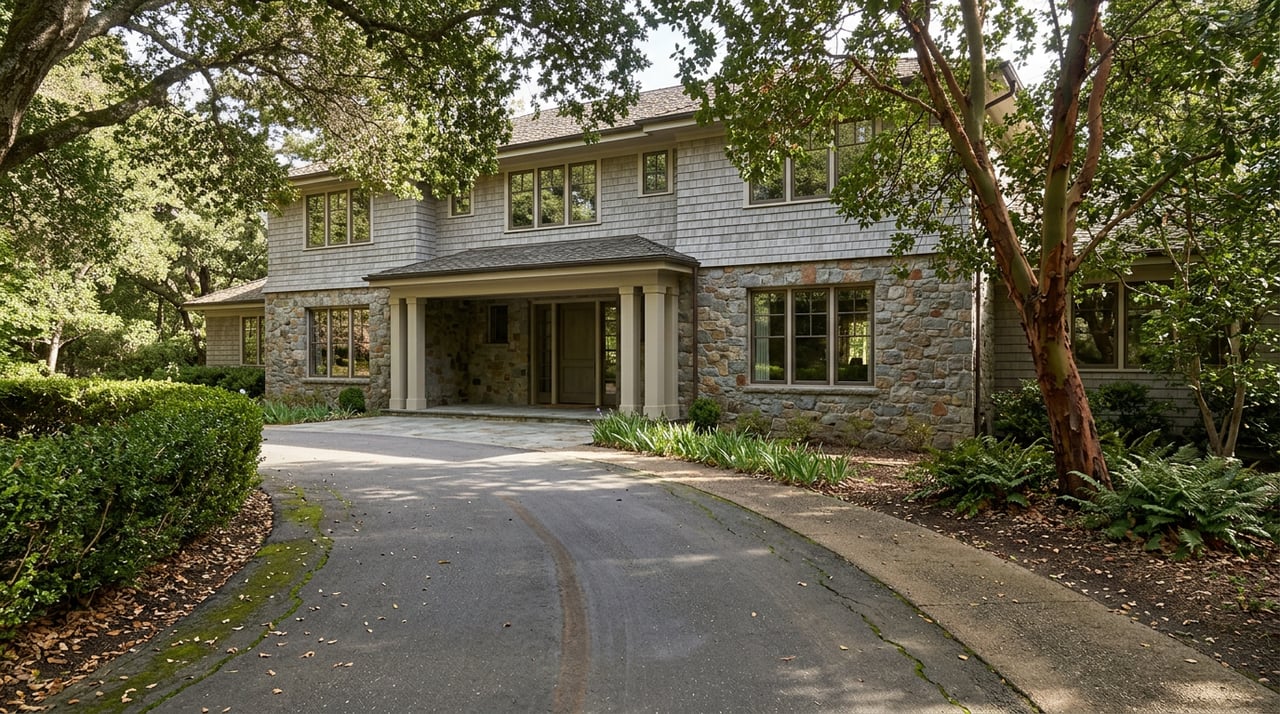
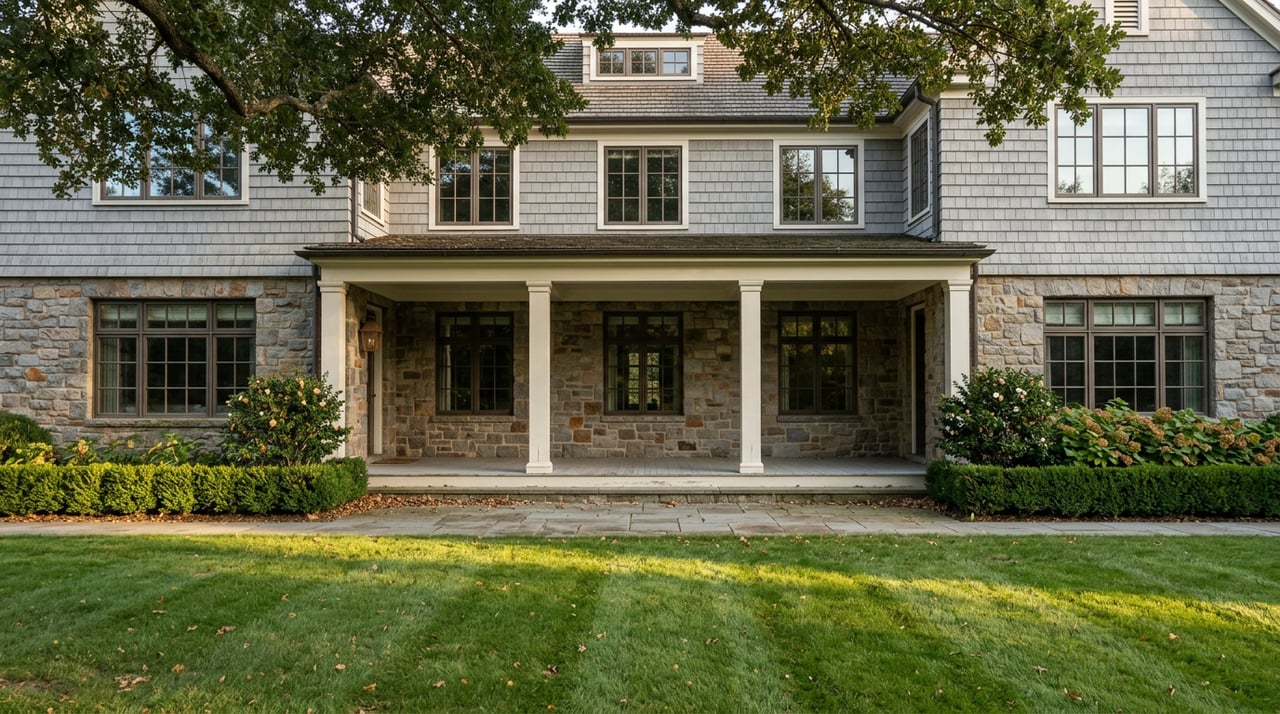
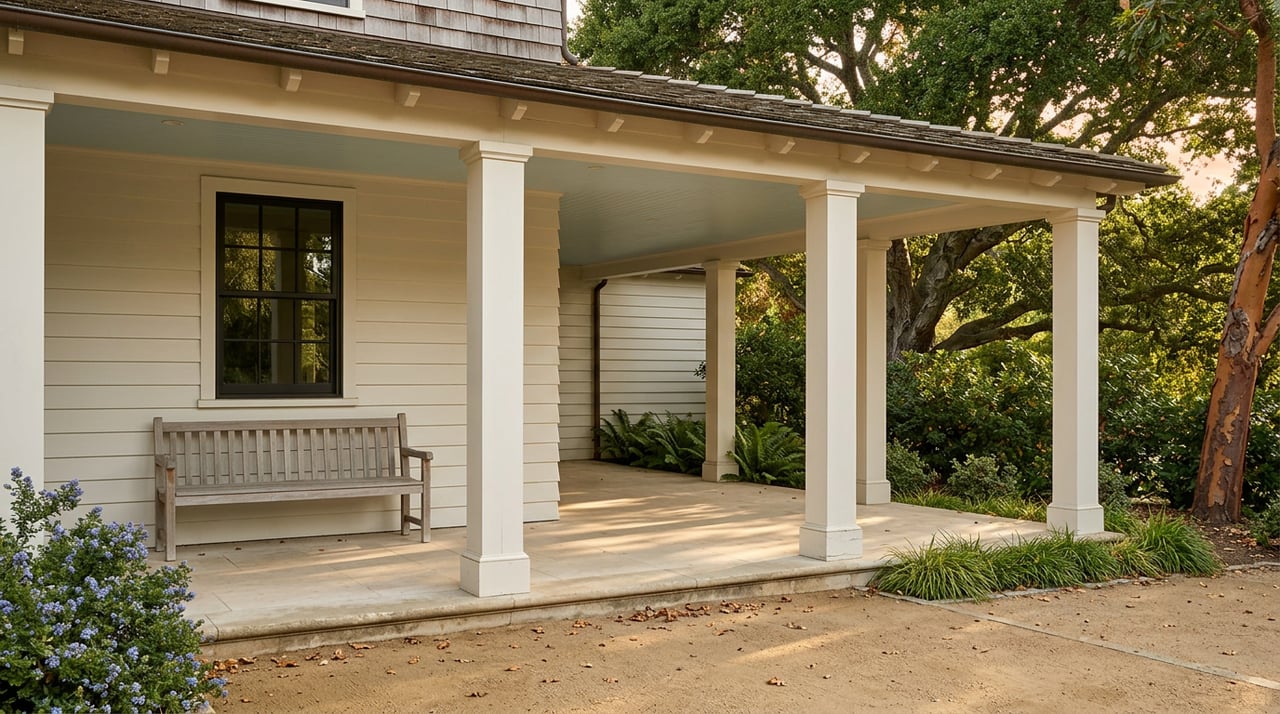
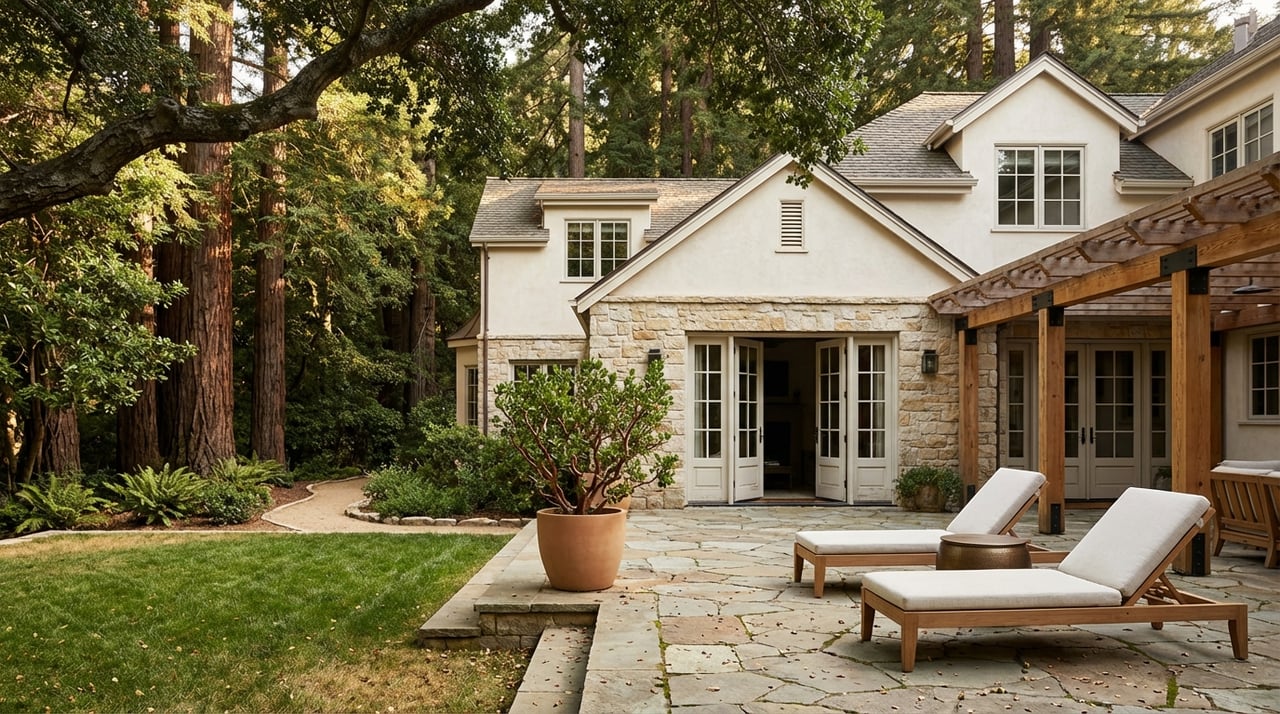
Retreat‑style homes here lean into the landscape. You see single‑story ranch homes and mid‑century designs with glass walls that frame ridge and valley views, plus contemporary estates set on larger parcels. Large windows, deep overhangs, patios, and expansive decks are common. Many lots are an acre or more, which means you have room to create outdoor kitchens, pools, sport courts, or garden spaces while maintaining privacy.
The setting and climate support an easy rhythm between indoors and outdoors. On many properties, you can open a wall of glass and step to a terrace that catches afternoon light, then follow a private path to a neighborhood trail. It is a daily pattern that feels restorative and unhurried.
Seclusion, with services a short drive away
Portola Valley trades urban walkability for quiet and space. Day‑to‑day services like grocery, dining, and professional offices are a short drive to nearby centers in Ladera, Woodside, Palo Alto, or Los Altos. Expect winding local roads and a calmer pace than the flat Peninsula corridor. Many residents accept a few more minutes in the car to gain privacy and trail access close to home.
Ownership realities you should plan for
Retreat living in the hills is special, and it comes with responsibilities. You will want a clear plan for risk, maintenance, and approvals so daily life stays simple and predictable.
Wildfire readiness and insurance
Portola Valley sits in the wildland‑urban interface. That means you should plan for ongoing defensible‑space work and home‑hardening improvements, and you should verify insurance early in a purchase. State fire‑hazard designations are evolving, and private insurance options can be limited in higher‑hazard zones. The Woodside Fire Protection District’s recent updates are a useful reference on mapping and preparedness. Review the latest community guidance in the district newsletter.
The Town and local partners share preparedness resources and seasonal reminders for residents, from vegetation management to emergency planning. Staying engaged with these programs helps you protect your home and maintain insurability over time.
Geologic due diligence and site suitability
The California Geological Survey released updated Alquist‑Priolo fault‑zone evaluations for the area in late 2024. If you plan to build, add on, or purchase a hillside property, include a qualified geotechnical and, where appropriate, a fault‑rupture investigation in your due diligence. Start with the CGS release index for current mapping and guidance at the California Geological Survey.
Water, sewer, and utilities
Water service in the Mid‑Peninsula and Bear Gulch areas has seen recent upgrades designed to improve supply reliability and fire protection. California Water Service reports completed infrastructure enhancements in 2024 that benefit the mid‑Peninsula communities it serves. For context on system improvements, see Cal Water’s press announcement.
At the parcel level, some properties are on septic while others are on public sewer. Verify your specific water source and pressure zone, whether your parcel is on public water or a mutual system, and the condition of any on‑site septic components before closing.
Private roads and community maintenance
Several neighborhoods rely on private roads or HOA governance for shared infrastructure. Review road‑maintenance agreements, reserve studies, gate access, and emergency plans. If a property is within Portola Valley Ranch or a similar community, read the HOA materials to understand fuel‑reduction work, trail easements, and service standards. The Ranch’s public portal offers a useful window into how such communities operate: Portola Valley Ranch.
Design review and approvals
Portola Valley has an active Architectural & Site Control Commission that reviews projects for siting, design, and landscape impacts. If you plan to remodel or add structures, identify past approvals and any slope or grading limits that could shape your options. You can learn more about process and scope at the town’s ASCC page.
ADUs and flexible guest space
If you want to add guest capacity or a caregiver suite, Accessory Dwelling Units can be a path. Local programs and state rules are evolving, but Portola Valley participates in county resources that clarify what is allowed and how to permit. Start with the San Mateo County ADU portal for Portola Valley.
Market signals and expectations
Portola Valley is a thin market at the high end, so monthly price metrics can swing on very few sales. Trophy transactions also happen, which can set outlier comps and shape sentiment. For example, recent coverage highlighted a Silicon Valley estate sale at a multi‑tens‑of‑millions price point, illustrating the depth of demand at the top of the market. You can see representative reporting in the Wall Street Journal’s summary of a Silicon Valley estate sale.
For your own decision, lean on local comps and on‑the‑ground context rather than quick averages. Thin markets reward precise pricing, strong presentation, and confidential outreach to qualified buyers.
A day in the life
Picture a clear morning with filtered light through oaks. You step from the kitchen to a terrace, sip coffee, and head out on a shaded loop from your backyard trail access. Midday, you work from a study that looks into mature trees instead of a street. Evening brings friends for an easy dinner outdoors, then a quiet walk as the hillside cools.
That is the pace many owners seek here. Your home feels like a private lodge, but you can still reach Stanford, downtown Palo Alto, or 280 within minutes when work or travel calls. The balance of calm and connectivity is the essence of Portola Valley living.
Buyer checklist for retreat homes
Use this quick list to structure your pre‑offer diligence:
- Trail access and easements. Confirm which trails are public, which are town or HOA easements, and any use restrictions. Start with Midpen’s Windy Hill overview and local guidance for Coal Mine Ridge at CMRNP.
- Wildfire and insurance. Run the address through current fire‑hazard maps and ask an insurance broker for early quotes or pre‑approvals. Review the Woodside Fire District’s community update for context on mapping and planning.
- Geotechnical and fault checks. For hillside or mapped‑zone parcels, require geotechnical and fault‑rupture investigations. See the California Geological Survey releases for the latest mapping references.
- Water and sewer. Verify water source and pressure zone, plus septic condition or sewer connection plans. For regional system context, review Cal Water’s mid‑Peninsula upgrade.
- Private roads and HOA documents. Obtain CC&Rs, road‑maintenance agreements, reserve studies, and emergency access plans. If applicable, review community standards at Portola Valley Ranch.
- Permitting and ASCC review. Identify prior permits, any existing conditions, and design review approvals on file. See the town’s ASCC guidance.
- ADU viability. If guest or caregiver space matters, confirm ADU rules and pathway via the county’s Portola Valley ADU page.
The takeaway
Owning a retreat‑style home in Portola Valley means space, privacy, and daily access to nature, supported by town policies that keep the hillsides quiet and green. It also means being a thoughtful steward of the land, from wildfire readiness and insurance planning to geologic due diligence and community maintenance. With the right preparation, you can enjoy a restorative lifestyle that feels worlds away while remaining connected to the Peninsula’s jobs, schools, and culture.
If you are ready to explore this lifestyle or want a discreet read on value for your current property, connect with Stephanie Elkins for a confidential consultation and curated options.
FAQs
What defines a retreat‑style home in Portola Valley?
- Homes often sit on larger lots, use glass and terraces to blend indoors and outdoors, and back to open space or trail easements for privacy and daily access to nature.
How close are trails and open space to most neighborhoods?
- Many areas have direct or short access to preserves like Windy Hill or local preserves such as Coal Mine Ridge, which is a key draw for residents.
What should I know about wildfire risk and insurance before buying?
- Expect defensible‑space work and early insurance checks, especially in higher‑hazard zones; review local guidance in the Woodside Fire District’s community update.
Are there town rules that affect remodeling or adding on?
- Yes. Portola Valley’s Architectural & Site Control Commission reviews projects for siting and design; consult the town’s ASCC page and relevant zoning.
How are water and sewer handled on hillside properties?
- Service varies by parcel. Some homes are on public water and sewer, others on mutual water or septic; check connections and system condition, and see Cal Water’s mid‑Peninsula infrastructure update for regional context.