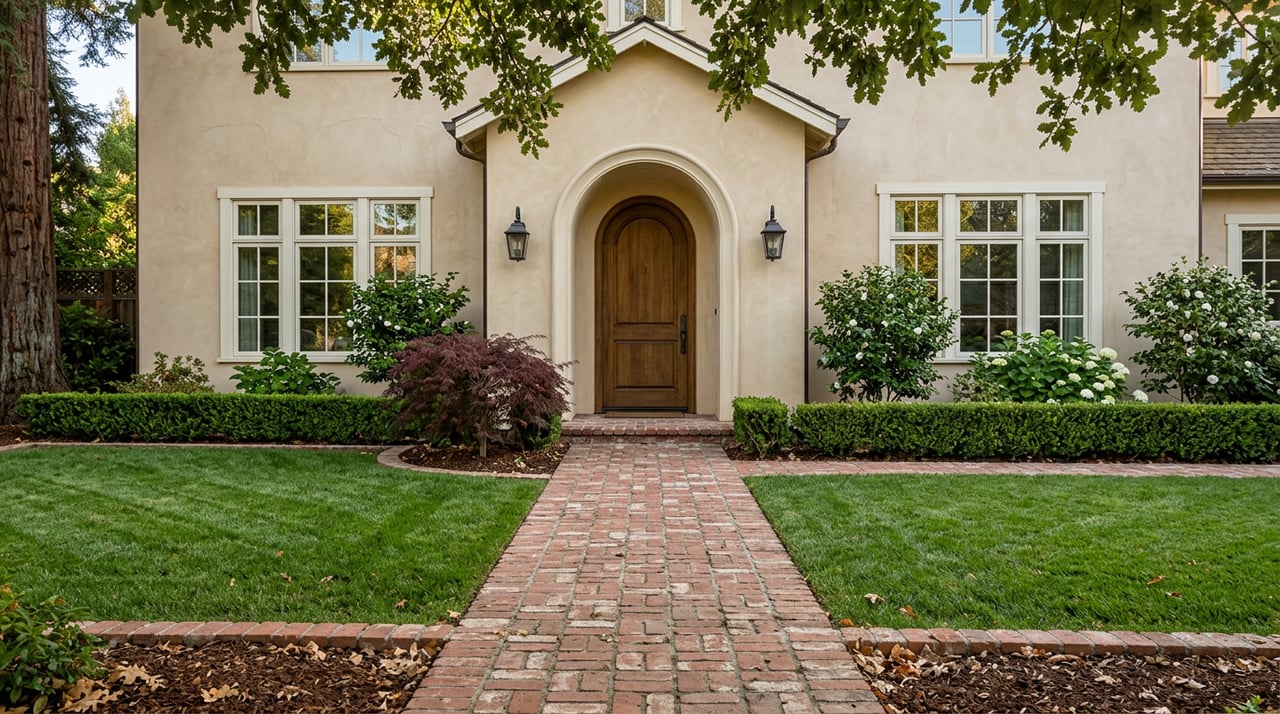
Are you weighing Atherton against nearby Peninsula luxury markets like Hillsborough, Woodside, Palo Alto, or Los Altos Hills? If you are relocating or refining a portfolio, the right choice comes down to a few key tradeoffs: lot size and privacy, housing style, commute access, and price positioning. This guide breaks those factors into clear, comparable takeaways so you can match your priorities to the right address. You will see where Atherton leads, where neighbors shine, and how to decide with confidence. Let’s dive in.
Big picture: what sets Atherton apart
Atherton is built around privacy. The town’s zoning protects very large parcels, with a one-acre minimum for most relatively flat lots. This policy is a core reason the area reads as an estate market and why prices sit at the top of the Peninsula. You can confirm the underlying rule in the town’s code, which sets minimum lot areas by slope category and limits parcel splits in many cases. See the Atherton Municipal Code for details on minimum lot areas and slope formulas.
- Reference: Atherton’s minimum lot sizes are specified in the town’s subdivision regulations. View the code.
Lot size and zoning by town
Atherton
- Typical pattern: 1 acre or larger on many blocks, with strict subdivision rules. This makes additions or new density difficult and preserves a quiet, estate feel.
- Why it matters: If you want space for privacy, amenities, and grounds, Atherton’s framework supports it by design.
Los Altos Hills
- Zoning: Low-density with development formulas tied to lot size and site constraints. One-acre minimums and envelope controls are common.
- Why it matters: You often find large, view-oriented lots and custom homes, with careful limits on buildable area. See the town’s general plan references for context. Review planning guidance.
Woodside and Portola Valley
- Zoning: Rural character, extensive open space, and many one-acre or larger parcels. Equestrian and ranch-style properties are part of the fabric.
- Why it matters: These towns can deliver even more acreage and a countryside feel, traded for longer average commutes in some locations. For local rules and ADU context, start here: Woodside ADU summary.
Hillsborough
- Zoning: Large single-family parcels across most neighborhoods, though many are under one acre. The result is a classic suburban estate pattern with mature landscaping.
- Why it matters: You get substantial homes and privacy, often with a more suburban street grid than Atherton. For background on how Atherton’s rules compare regionally, see coverage on estate zoning patterns. Read context.
Palo Alto and Menlo Park
- Zoning: Smaller lots on average, more walkable neighborhoods, and strong access to shops, dining, and rail stations.
- Why it matters: You trade acreage for convenience, shorter rail commutes, and lively neighborhood amenities.
Quick parcel snapshot
County parcel summaries highlight how Atherton and Portola Valley sit at the top of San Mateo County for median parcel size, often near one acre. This distribution alone separates them from much of the Peninsula. See county record resources.
Housing styles and property types
Atherton
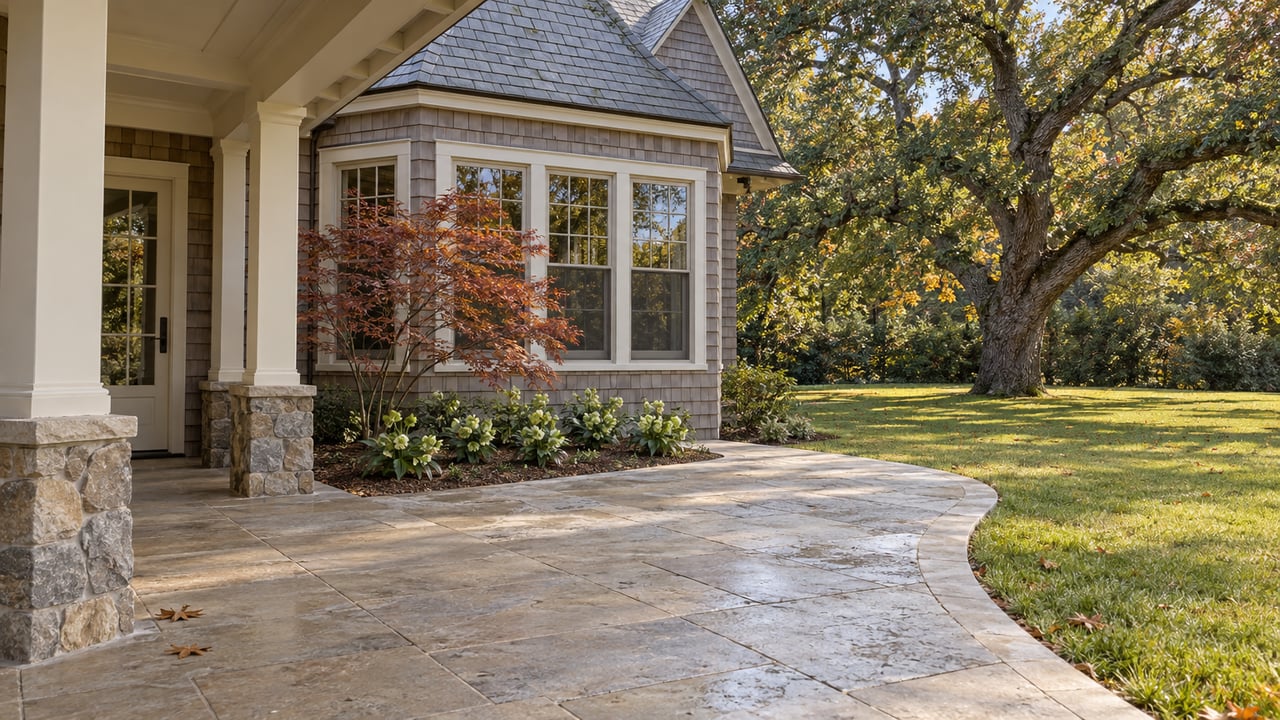
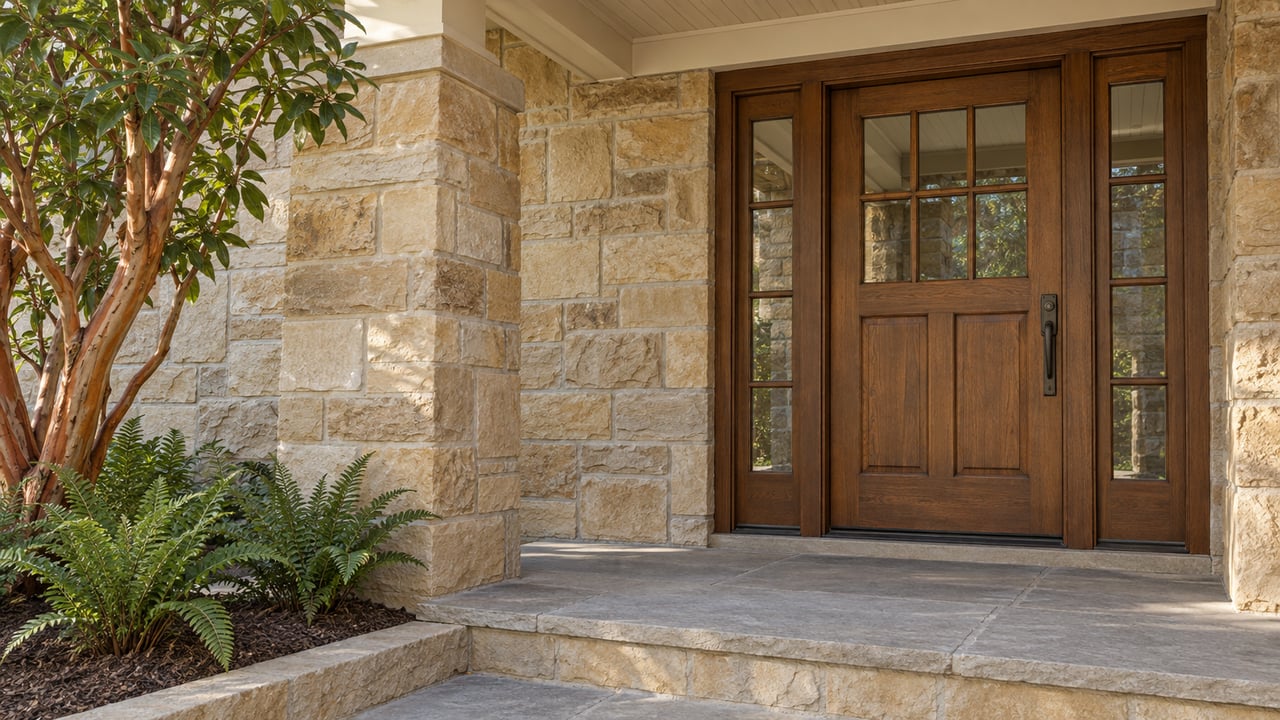
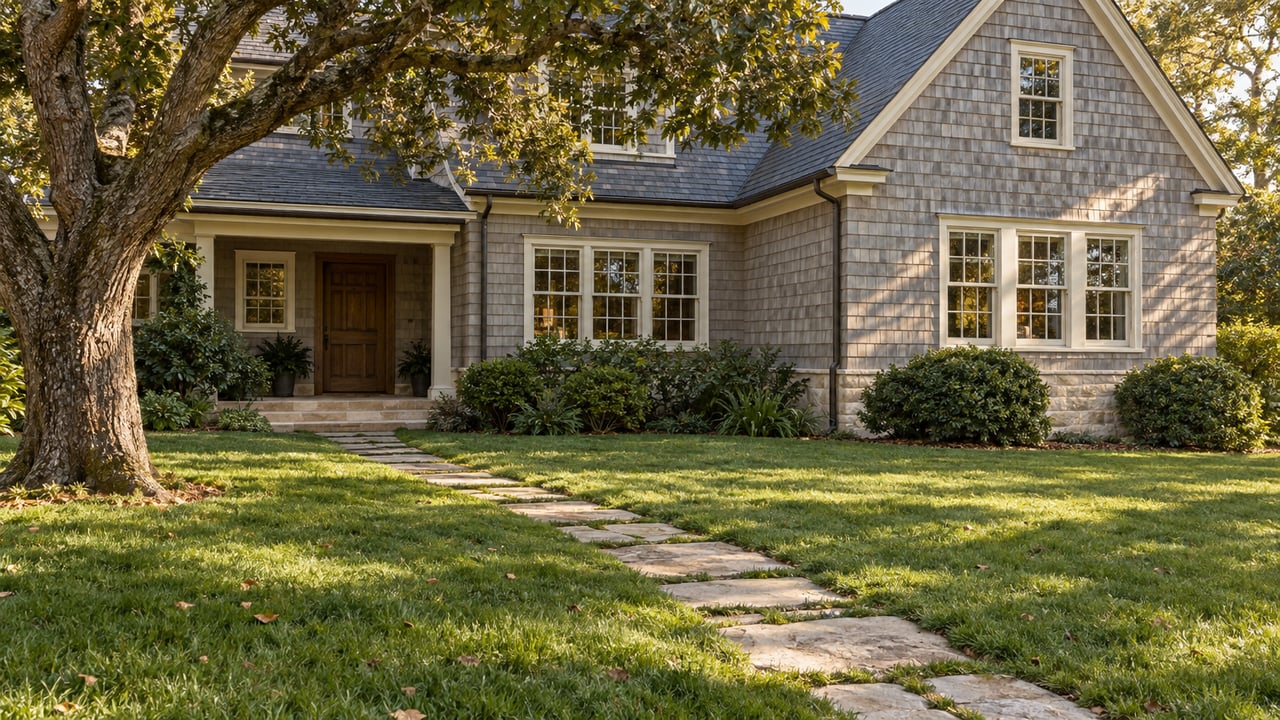
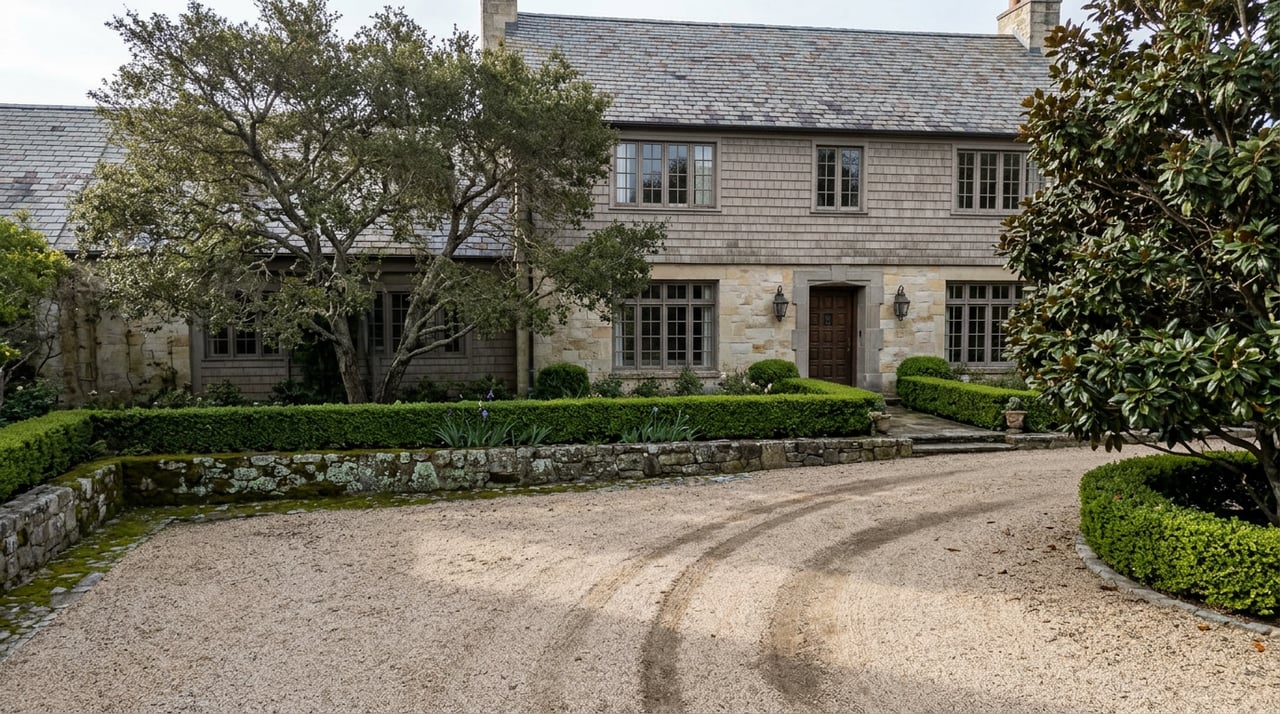
- What you see: Large custom estates across architectural styles, including Mediterranean, Traditional, and modern. New builds and thoughtful rebuilds are common on 1-plus acre lots. There are also pockets with midcentury character and landmark institutional properties.
- For an overview of Atherton’s history and fabric, start with the town profile. Explore Atherton context.
Woodside and Portola Valley
- What you see: Rural estates with equestrian potential, ranch-style layouts, and site-responsive custom homes. Landscaping and views often drive design.
Los Altos Hills
- What you see: Predominantly custom single-family homes, from midcentury and ranch to contemporary. Development standards manage scale relative to lot size.
Hillsborough
- What you see: Classic Bay Area suburban estates with Mediterranean and Spanish influences, mature trees, and a more neighborhood-like street pattern.
Palo Alto and Menlo Park
- What you see: High architectural variety, from Victorian and Craftsman to sleek modern rebuilds. Lots are smaller on average than in Atherton or the hills, yet top micro-neighborhoods can achieve very high price per square foot.
Price bands and how to read them
Ultra-luxury markets have very few monthly sales, which can make headline medians swing sharply. Two widely used indicators illustrate this in Atherton:
- Zillow’s Home Value Index showed a typical Atherton value around 7.5 million as of January 2026. This is a smoothed index that reduces short-term volatility.
- A January 2026 monthly median sale figure for Atherton was about 25.2 million. That number was driven by a very small number of trades, which is why it spiked.
What this means for you: treat prices as bands, not single points. Atherton sits at the top of Peninsula single-family pricing, followed by Los Altos Hills, Hillsborough, and Portola Valley in the next tier, with Palo Alto and Menlo Park showing lower medians but very competitive price per square foot in their best neighborhoods.
Early 2026 snapshots for context:
- Los Altos Hills: roughly mid 5 million median.
- Hillsborough: roughly low to mid 5 million median.
- Palo Alto: around 3 million overall median, with top micro-neighborhoods higher.
- Woodside: a typical value around the mid 3 millions, with many estates trading above that level.
- Portola Valley: fewer sales but frequent high-ticket estate transactions, including headline deals like a Silicon Valley estate sale reported around 56 million. See example coverage.
When you are ready to act, request current MLS comps over the last 6 to 12 months and confirm sample sizes. Month-to-month medians can mislead in these towns.
Commute and access
Rail access
Atherton no longer has an active Caltrain station. The board voted to close the station to improve corridor reliability. Most residents use Menlo Park, Palo Alto, or Redwood City stations when rail is needed. Read the closure update.
Typical travel times
U.S. Census QuickFacts lists mean travel times for workers, which is a consistent way to compare communities. Atherton averages about 23.2 minutes. In nearby towns you see small shifts that reflect terrain and distance: Palo Alto around 21.4 minutes, Menlo Park near 23.9 minutes, Hillsborough near 27.6 minutes, Woodside about 28.8 minutes, and Los Altos Hills around 29.2 minutes. View QuickFacts.
Highways and airports
Atherton sits between US 101 and I 280 with convenient access to SFO. Off-peak drive time to downtown San Francisco is often 30 to 50 minutes, roughly 26 to 30 miles depending on your address. Peak traffic can add significant time, so test routes during your commute window. For a coarse distance and time reference, see this Atherton to San Francisco drive estimate. Check a sample route.
When Atherton fits, and when to look nearby
Choose Atherton when
- You want 1-plus acre parcels, maximum privacy, and room for amenities like pools, courts, and guest houses. Confirm minimums in the code.
- You value proximity to the Stanford and Sand Hill Road corridor but prefer an estate property over an urban neighborhood. Learn about Sand Hill Road.
- You prioritize car or driver service and are not reliant on a doorstep rail station. See station closure.
Consider neighbors when
- You want walkability and shorter rail commutes. Palo Alto and parts of Menlo Park often deliver both.
- You want a more rural setting or larger multi-acre holdings. Woodside and Portola Valley can offer that hillside privacy and equestrian potential.
- You want a classic suburban estate vibe on large lots, often at a lower legal lot-size minimum than Atherton. Hillsborough fits that brief.
How to choose: a quick decision checklist
Use this simple framework to narrow your search and keep decisions data-driven.
- Clarify your top two priorities
- Privacy and acreage
- Walkability and rail access
- Architectural style or grounds potential
- Shortest door-to-desk commute
- Establish your price band
- Use price ranges for each town rather than a single median. Note whether you are comparing a smoothed index or a monthly median with few sales.
- Test commute patterns
- Run address-level checks during your actual commute window. Include station parking or shuttle options if rail is part of your plan. Caltrain system info.
- Verify parcel-level constraints
- Pull assessor records and parcel maps to confirm lot size, setbacks, and any easements. Start with county record resources.
- Confirm school assignment
- District boundaries vary by address. For Atherton, district names and lookup tools are listed on the town’s schools page. See Atherton schools info.
Data transparency in ultra-luxury
In estate markets with very few monthly sales, single-month medians are volatile. The cleanest approach is to triangulate:
- Use a smoothed index for a long-view baseline.
- Add a rolling 3-year median to frame the band.
- Overlay current MLS comps by lot size, location, and condition.
You will avoid chasing noise and see the stable midline of each micro-market. If you want a property-specific view, request a confidential set of comps that match your lot size and site features.
Final thoughts
If you want the most land and privacy with immediate Peninsula access, Atherton often leads. If you want a more rural mood and even larger acreage, look to the hills. If your day centers on rail and amenities within blocks, focus on Palo Alto and Menlo Park. The right fit depends on your priorities, not headlines. When you are ready to refine a short list or want an off-market look, connect with a local adviser who works these estates every day. For discreet guidance and curated options, reach out to Stephanie Elkins.
FAQs
How does Atherton pricing compare to neighbors?
- Atherton sits at the top of Peninsula pricing. A smoothed index showed a typical value near 7.5 million in early 2026, while a single-month median spiked much higher due to very few sales. Nearby towns such as Los Altos Hills and Hillsborough often sit in the 5 million range on medians, with Palo Alto and Menlo Park lower on median but strong on price per square foot in top areas.
Can you split lots or add density in Atherton?
- Atherton’s code sets large minimum lot sizes, often one acre on flatter sites, which makes lot splits and added density difficult. Always verify constraints at the parcel level in the municipal code and with assessor records.
Which towns offer the best walkability and rail access?
- Palo Alto and parts of Menlo Park typically offer the strongest mix of walkable amenities and proximity to active Caltrain stations. Atherton residents commonly use nearby Menlo Park, Palo Alto, or Redwood City stations since the Atherton station is closed.
What are typical commute times from Atherton?
- Census estimates put Atherton’s mean travel time around 23 minutes, similar to Menlo Park and Palo Alto, and shorter than more rural towns like Woodside or Los Altos Hills. Actual times vary by address and time of day.
How do schools work in Atherton?
- School assignment depends on your address. Atherton’s town site lists district information and lookup tools. Review assignments directly with the district to confirm the current pattern. Atherton schools page.