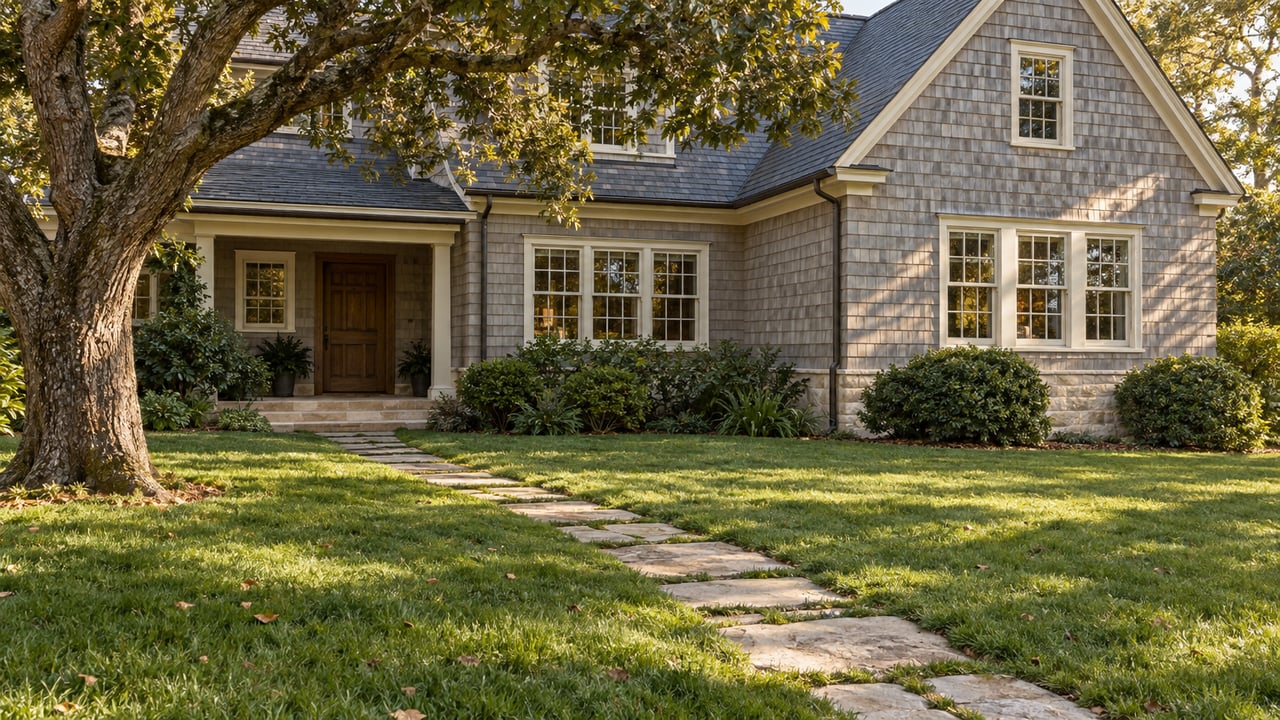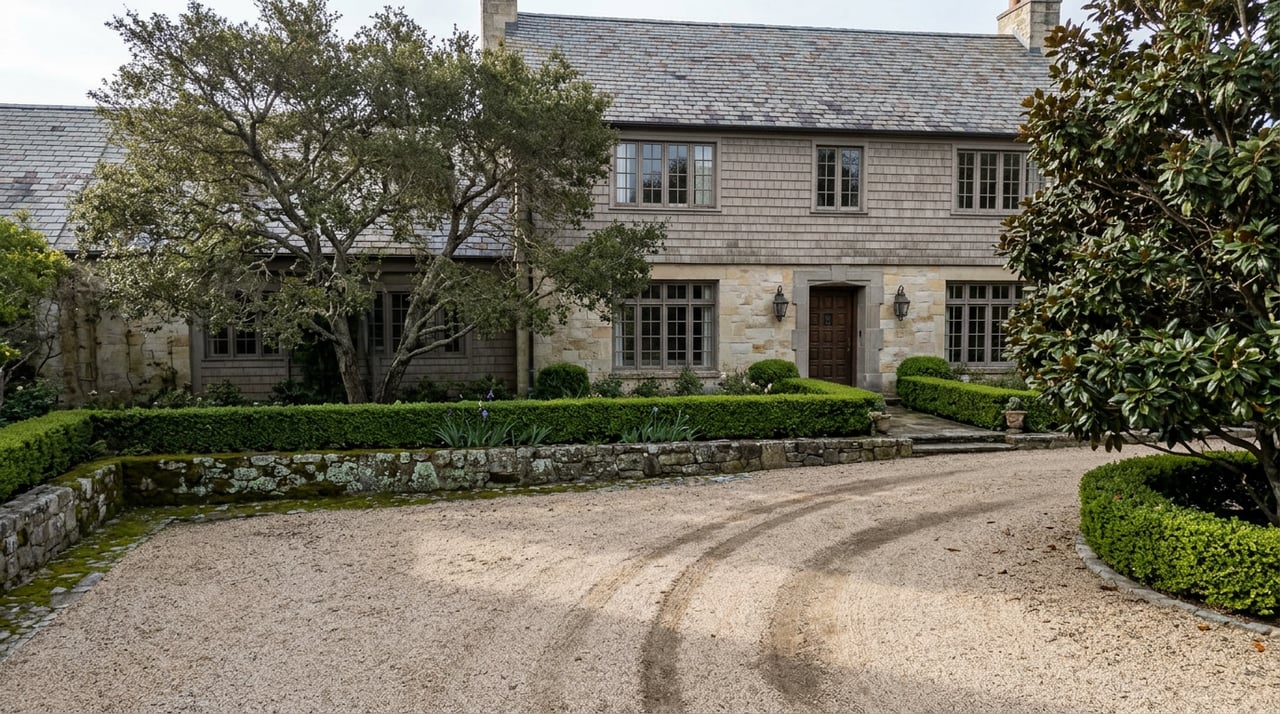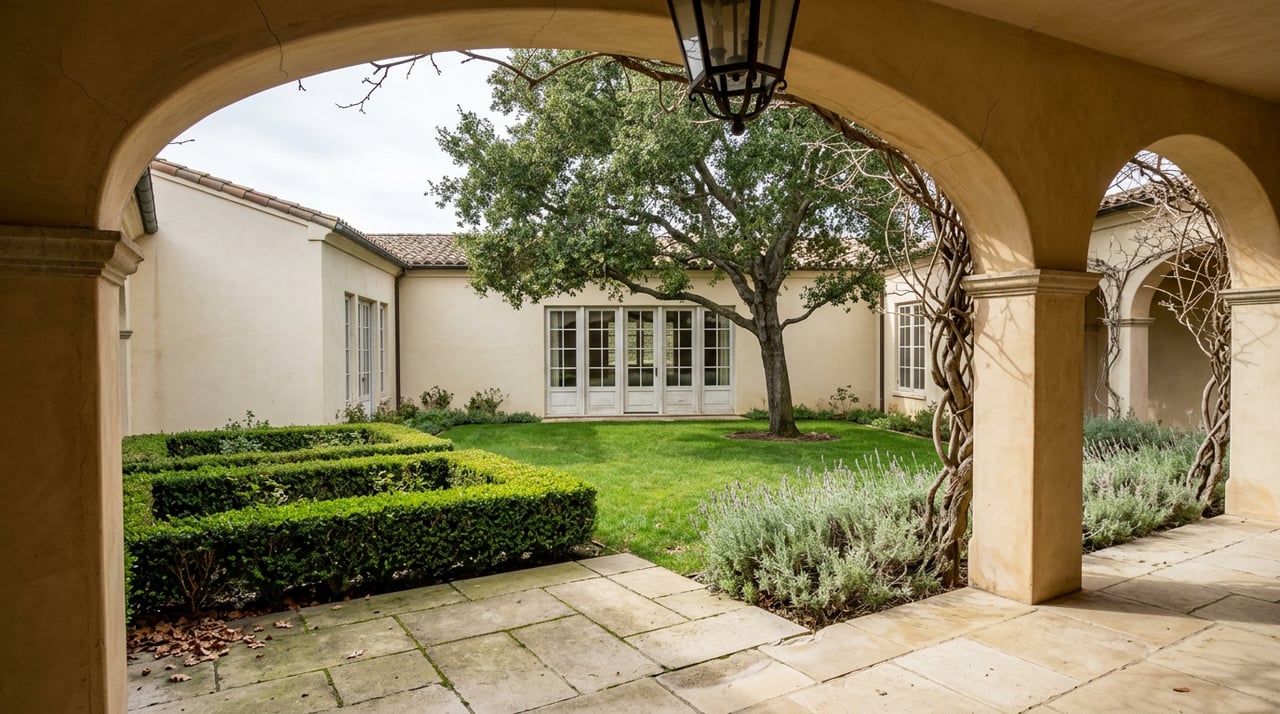
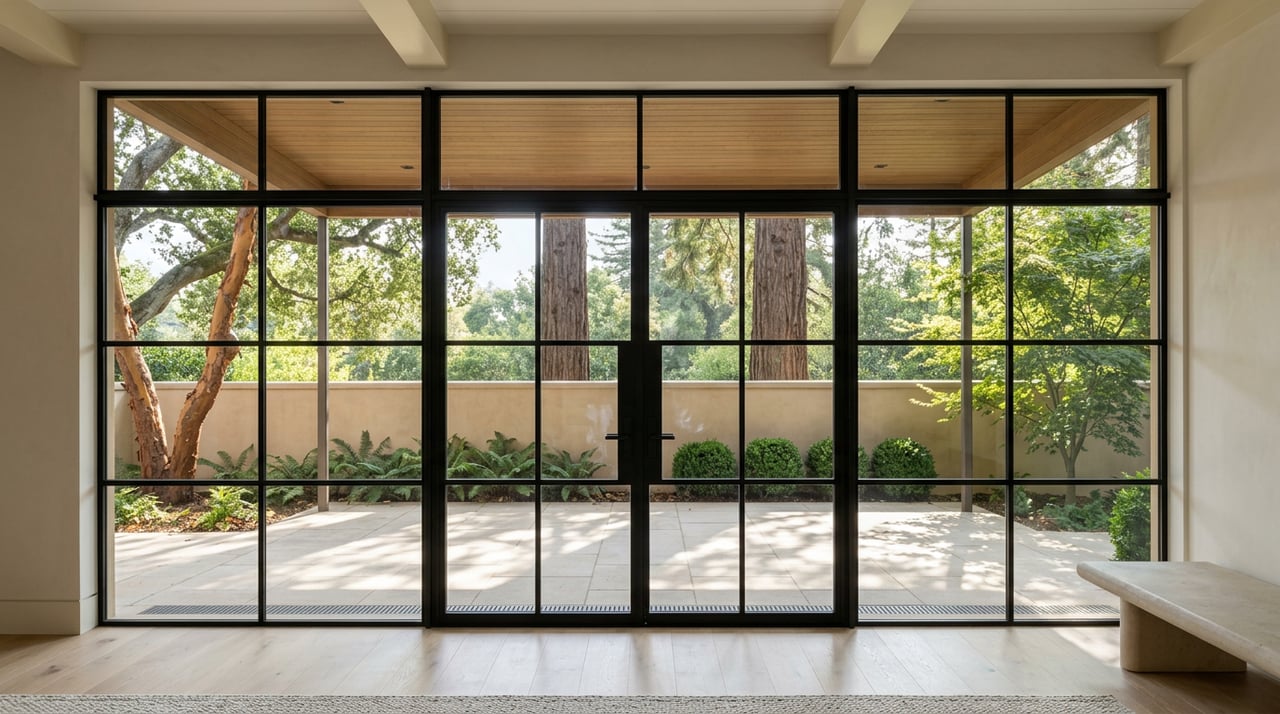
Morning light on oak canopies, doors wide open, and your kitchen flowing onto a terrace that feels like part of the room. In Portola Valley, that vision is possible, but the site, wildfire context, and town standards shape every detail. If you plan carefully, you can create year-round indoor-outdoor living that is beautiful, resilient, and market-smart. This guide shows you what to check first, how to choose systems that perform, and the steps that keep permits and construction on track. Let’s dive in.
Start with local rules and the site
Before sketching a wall of glass or a new terrace, confirm what Portola Valley allows on your parcel. The town’s policies and hillside setting are unique, and a quick pre-application check can save months.
ASCC design review
Many exterior changes route through the Architectural & Site Control Commission, which exists to preserve visual character and to limit excessive grading and tree loss. If you plan new openings, additions, deck expansions, or major landscape changes, expect some level of review. Read the commission’s purpose and process on the town’s Architectural & Site Control Commission page to set expectations early. You can find it on the Town of Portola Valley website under Architectural & Site Control Commission.
Permits and the local path
Portola Valley offers virtual appointments to help you confirm whether your scope is ministerial or discretionary, which checklists apply, and which fees you should plan for. Limited-scope items like certain mechanical swaps may be streamlined, while exterior additions or site work need full submittals. Book a pre-application on the Planning & Building page for virtual appointments and permitting guidance.
Wildfire mapping and fire-district coordination
Portola Valley is served by the Woodside Fire Protection District. The district enforces defensible space and may require vegetation-management plans for projects in higher-risk areas. Review current defensible space requirements and local programs on WFPD’s defensible space information page.
Also check your parcel’s Fire Hazard Severity Zone using CAL FIRE’s FRAP viewer. This designation influences landscape strategy and, in some cases, construction requirements. Learn more at CAL FIRE’s Fire and Resource Assessment Program.
Tree protection and utilities
Portola Valley protects many native and significant trees. Removal, pruning, or work within drip lines can trigger permits or mitigation. Review the town’s tree guidance before you plan outdoor rooms, patios, or new openings near root zones. The town publishes details in a tree-protection guidance document.
Confirm whether your property is on a sewer line or on-site wastewater. Outdoor kitchens, laundry, and ADUs change plumbing loads and siting. West Bay Sanitary District’s materials note Portola Valley parcels in on-site wastewater zones, which affect setbacks and grading. See a district packet for context at West Bay Sanitary’s board materials.
Energy code and glazing choices
California’s 2025 Energy Code cycle tightens envelope and window performance and encourages electrification. Permits filed after the effective date will need lower U-factors, appropriate SHGC, and verified compliance. If you want large openings, plan your glazing strategy with your designer and energy consultant up front. The California Energy Commission outlines the update in its Energy Code guidance.
Plan openings that perform
Large sliders, folding walls, and pocket systems deliver the wow factor. They also change structure, weatherproofing, energy performance, and comfort. Choose and detail them with the same rigor you would give a roof.
Choose the right system
Common choices include stacking or pocketing lift-slide doors, folding panels, or fixed window walls paired with operable vents for cross-breeze. Match the system to your exposure. On a bluff or an open hillside, you need products with strong water and air ratings to handle wind-driven rain. Confirm manufacturer performance data and installation requirements during design.
Structure and water management
A big opening is a structural assembly, not a simple window swap. Plan for engineered headers, continuous sills, and integrated drainage. Your contractor should follow recognized installation practices for sill pans and flashing to control bulk water. Good detailing prevents threshold leaks and long-term damage.
Make thresholds truly flush
You want a smooth, barefoot transition from great room to terrace. That look is possible when you design for water first. Use sloped exterior paving, recessed sills with pans, and positive drainage away from the opening. Keep interior and exterior floor planes visually continuous, then add concealed breaks and expansion joints where needed to handle movement.
Control sun, heat, and glare
Portola Valley’s Mediterranean climate brings cool, wet winters and dry, warm summers. South and west glass can help with winter gain but overheat in August. Combine high-performance glazing with a shading plan. Fixed overhangs sized to sun angles, operable exterior shades, or a louvered pergola can cut glare and reduce cooling loads. These moves also make it easier to meet Title 24 performance at plan check.
Design for air quality and fire features
If you love the idea of a fire element, confirm regional rules first. The Bay Area Air Quality Management District uses curtailment programs that can restrict wood burning, and local ordinances often follow the district’s model rules. Where wood burning is limited or discouraged, consider gas or electric fire features with proper clearances. Review the BAAQMD’s model wood-smoke ordinance for the policy framework.
Landscape with wildfire resilience in mind
A seamless indoor-outdoor lifestyle in Portola Valley must work with defensible space. Good design adds beauty and views while reducing risk.
- Treat the five feet closest to the house as the ember-resistant zone. Keep it clear of combustible mulch, wood stacks, and dense shrubs. Use gravel, pavers, or well-irrigated low-profile plantings.
- Separate planting islands with noncombustible hardscape to avoid fuel continuity. Avoid placing shrubs under tree canopies.
- Choose native, drought-tolerant species that fit your microclimate, then maintain them. The key is right plant, right place, plus spacing and maintenance.
For evidence-based guidance, review UC ANR’s principles for firewise planting on its page for fire-resistant plants.
Hardscape, drainage, and stormwater
Large terraces and decks change stormwater flows. Peninsula towns apply low-impact development practices, which favor permeable surfaces and on-site infiltration where possible. In Portola Valley, substantial site work can trigger extra drainage, grading, or erosion-control measures. Bring a civil or geotechnical consultant in early if you plan new hardscape on slopes or near natural drainage paths, and confirm requirements during your Planning & Building appointment.
Materials that last and help resale
Outdoor surfaces work hard in our climate. Select materials that balance beauty, durability, maintenance, and fire performance.
- Decking: Redwood, cedar, thermally modified woods, tropical hardwoods, and high-quality composites each have tradeoffs in lifespan, surface temperature, and upkeep. Many Cost vs. Value surveys have shown that well-executed deck projects tend to recover a strong share of cost, especially when they match the home style and site. See Remodeling’s regional reports for context, such as JLC’s Cost vs. Value.
- Glazing: Pick NFRC-rated windows that meet the U-factor and SHGC targets for your orientation. High-performance glass and thermally broken frames reduce compliance risk and improve comfort.
- Fire elements and kitchens: Outdoor kitchens and gas fire features often require plumbing, gas, electrical, and building permits. Plan utilities and clearances with defensible space in mind.
A practical roadmap to permits and team
A clear sequence reduces rework and keeps construction moving.
- Do a pre-design site check. Identify your parcel’s Fire Hazard Severity Zone using the CAL FIRE FRAP viewer. Note protected trees, easements, and whether you are on sewer or on-site wastewater.
- Schedule a pre-application with Portola Valley Planning & Building. Confirm whether ASCC review, tree permits, grading permits, or a vegetation management plan will be required for your scope. Ask about any ministerial standards that apply to your project type.
- Engage the right team. Hire an architect or designer with experience in wildland-urban interface contexts, a landscape designer versed in firewise planting, a licensed general contractor, and a structural engineer for large openings. Request references for fenestration and deck installs.
- Bring in civil or geotechnical input early. Decks, terraces, and any grading on slopes typically need soils review and erosion controls. Expect local grading approvals for meaningful site disturbance.
- Coordinate with the fire district. If your parcel is in a higher-hazard zone, be prepared to document defensible space and home-hardening measures and to provide a vegetation management plan if requested. Budget for chipping and fuel-reduction work.
- Plan your energy compliance. Decide on prescriptive or performance paths for Title 24, confirm NFRC labels for large openings, and coordinate any acceptance testing required at inspection. Price high-performance glazing early to avoid surprises.
Position your home for the future market
Buyers across the inner Peninsula value outdoor living, but they also look for homes that are resilient and efficient. In Portola Valley, that means documented defensible space, smart shading, high-performance glazing, and hardscape that manages water well. When you combine these with a strong design concept and materials that age gracefully, you support daily living and long-term value.
If you are weighing a remodel to enjoy now or preparing to sell, a thoughtful indoor-outdoor plan can be a differentiator. Start with the approvals path, pair beauty with performance, and keep wildfire and energy rules front and center. The result is a home that lives larger, feels calmer, and shows better when it is time to go to market.
Ready to plan your next move or discuss which updates add the most value for your property and price point? Connect with Stephanie Elkins for a discreet consultation and Request a Private Valuation.
FAQs
What permits do I need for large sliding doors in Portola Valley?
- Exterior changes that alter appearance or structure often require ASCC and building review, so book a Planning & Building pre-application to confirm scope, checklists, and fees before you order doors.
How do wildfire rules affect my landscaping near the house?
- The Woodside Fire Protection District enforces defensible space, and current guidance favors a clear ember-resistant zone within five feet of structures plus separated, well-maintained planting islands beyond.
Are outdoor wood-burning fireplaces allowed in the Bay Area?
- Many jurisdictions follow BAAQMD’s model ordinance and curtail wood burning on certain days, so verify local rules; consider gas or electric fire features when wood burning is limited.
Will a big glass wall pass California’s updated Energy Code?
- It can, but plan early; the 2025 cycle tightens U-factor and SHGC, so combine high-performance glazing with shading and an energy model to document compliance.
How can I tell if my Portola Valley property is on sewer or septic?
- Check with the local sanitary district and your records; parts of Portola Valley use on-site wastewater systems, which affect siting and setbacks for outdoor kitchens and ADUs.