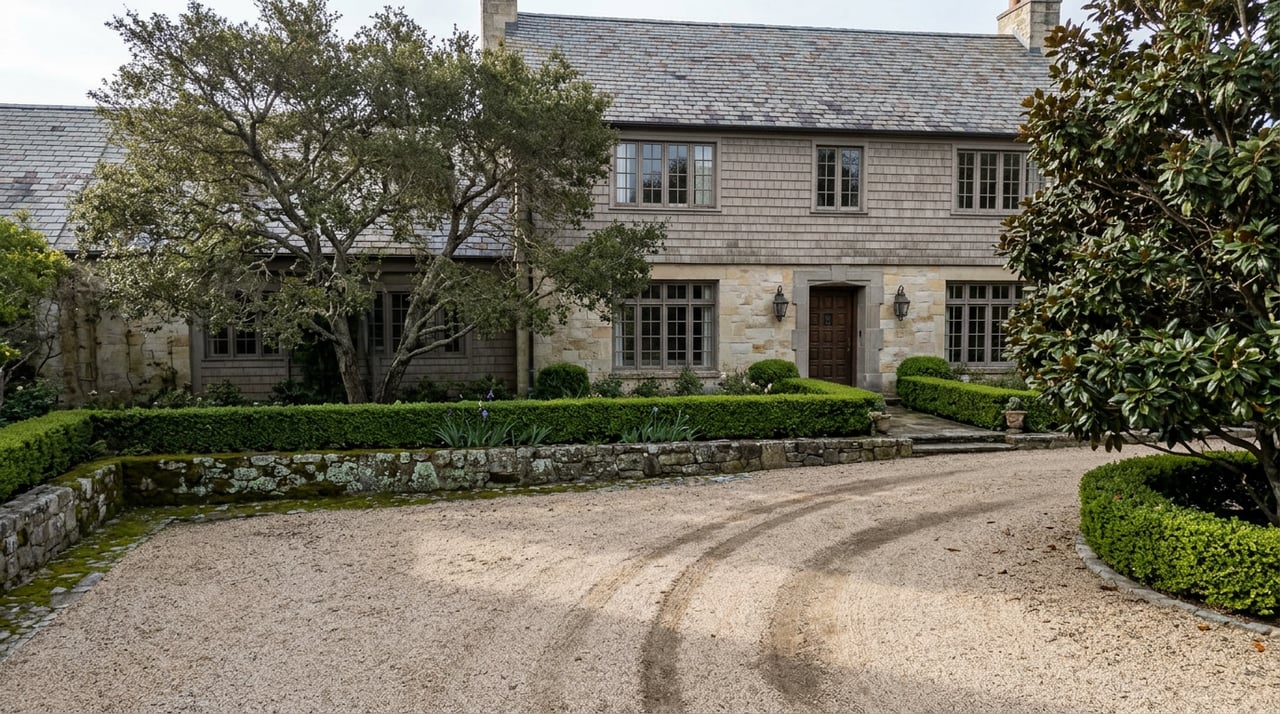

If you are selling an estate in Woodside, privacy is often part of the strategy, not just a preference. In a market where properties can command significant attention and move quickly, you may want more control over who sees your home, when it is shown, and how details are shared. The good news is that discreet marketing can offer that control while still supporting a strong sale plan. Let’s look at how it works, where it fits, and what tradeoffs to weigh.
Why discretion fits Woodside
Woodside’s setting naturally shapes how many sellers think about exposure. According to the U.S. Census QuickFacts for Woodside, the town covers 11.47 square miles, has a low population density, and includes 1,784 households. The same source also reports a median household income above $250,000 and broad broadband access, which reflects a market where privacy and digital reach both matter.
The town’s land-use pattern also supports a more measured approach. Woodside’s adopted housing element notes minimum lot sizes of 3 acres in Rural Residential, 1 acre in Suburban Residential, and 20,000 square feet in R-1. Combined with the town’s emphasis on open space and habitat preservation, that estate-scale environment often makes controlled access, careful scheduling, and deliberate presentation feel like a natural fit.
Why sale strategy matters now
Discreet marketing is not just about privacy. It is also about choosing the right launch strategy for a high-value asset. In Woodside, where Redfin market data showed a median sale price of $5.75M in March 2026, median days on market of 8, and 66.7% of homes selling above list price, the stakes can be high.
That kind of market can support different paths. Some sellers benefit from broad exposure right away. Others prefer to start quietly, test interest, finish preparations, or limit visibility before moving to a wider audience.
Three ways to market a Woodside estate
Public listing
A full public listing gives your property the broadest possible reach. Once a home is entered into the MLS, it can flow into the wider portal ecosystem that buyers use every day. MLSListings notes that it serves San Mateo County, refreshes every five minutes, and acts as the source feed for major real estate portals.
This approach is usually best when your goal is maximum exposure, broad price discovery, and the strongest chance of attracting competing buyers. The tradeoff is reduced control over visibility. Property details, photos, and timing become much more public.
Delayed marketing listing
A delayed marketing listing sits in the middle. Under the National Association of Realtors 2025 policy summary, delayed marketing means the listing is filed with the MLS, but public marketing through IDX and syndication is paused for a period allowed by the local MLS.
In practical terms, this can give you a privacy window. You may use that time to complete staging, photography, repairs, or confidential buyer outreach before the property appears in broader public channels. The seller must sign a disclosure acknowledging that broad and immediate exposure is being delayed, so it is important to understand exactly what you are choosing.
Office exclusive listing
An office exclusive is the most private option. NAR defines it as a seller-directed choice not to publicly market the property and not to disseminate it through the MLS to other participants and subscribers.
This route is often the closest match for sellers who want highly controlled, relationship-driven exposure. Instead of broad distribution, the strategy relies on direct outreach and carefully managed communication. The tradeoff is clear: you are waiving the benefits of immediate MLS exposure and mass-market visibility.
What discreet marketing looks like in practice
Discreet marketing does not mean doing less. In many cases, it means doing more preparation before deciding how widely to launch. The process often starts with pricing analysis, presentation planning, property disclosures, and a clear decision about whether the home should begin as public, delayed, or office exclusive.
From there, the strategy may include controlled scheduling, private showings, and one-to-one conversations with qualified buyers or trusted broker relationships. If the property later moves into public marketing, it can then enter the MLS and wider portal ecosystem.
That flexibility matters in Woodside. A private start can create room to refine the presentation and protect privacy, while still leaving the door open to a broader campaign if that becomes the best path.
Discreet does not mean no disclosure
This is one of the most important points for sellers to understand. A confidential launch changes the audience, but it does not remove disclosure duties.
The California Department of Real Estate explains that sellers of most one-to-four unit homes must provide a Real Estate Transfer Disclosure Statement. The DRE also states that listing and cooperating agents must conduct a reasonably diligent visual inspection and disclose material facts affecting value, desirability, or intended use.
Those disclosures may include issues tied to age and condition, easements, common driveways, unpermitted alterations, drainage or soil problems, zoning violations, HOA obligations, and hazard locations. In other words, privacy is a marketing choice, not a way around the facts a buyer needs to know.
When each option may make sense
Choosing the right strategy depends on your priorities. Here is a simple way to think about the three main paths.
| Option | Best for | Main benefit | Main tradeoff |
|---|---|---|---|
| Public listing | Sellers seeking the widest reach | Maximum exposure and price discovery | Least privacy |
| Delayed marketing | Sellers wanting a short private runway | More control before public syndication | Temporary limit on broad exposure |
| Office exclusive | Sellers prioritizing confidentiality | Highest level of privacy and controlled access | No immediate MLS distribution |
A public launch is often the stronger fit if your main goal is competition and visibility. A delayed listing may work well if you want time to prepare or prefer a short quiet period first. An office exclusive may be the best fit when confidentiality leads the entire strategy.
Why timing and rules matter
If you are considering a private start, policy timing matters. NAR’s policy summary says that once a property is publicly marketed, Clear Cooperation requires MLS submission within one business day. That means the line between private and public marketing is meaningful.
The same policy framework also requires seller acknowledgment when choosing delayed marketing or an office exclusive. That is why strategy should be discussed early, before photography, outreach, or launch plans begin.
Why local relationships still matter
In a public launch, syndication does a lot of the work of distribution. In a private launch, relationships matter more. Since MLSListings is the regional distribution engine for San Mateo County, a public listing can quickly gain widespread visibility.
But before a property reaches that point, a discreet strategy depends more heavily on direct broker communication and trusted buyer networks. For estate sellers in Woodside, that can be especially valuable when the goal is to balance privacy with real market opportunity.
How to decide what is right for you
The best approach usually starts with three questions:
- How important is privacy during the sale process?
- Do you want immediate broad exposure, or a controlled rollout first?
- Is your priority maximum reach, maximum discretion, or a balance of both?
From there, your sale plan can be built around timing, disclosures, presentation, and distribution. In a market like Woodside, the smartest strategy is often the one that matches both the property and your comfort level with visibility.
If you are weighing a confidential sale, a delayed launch, or a broader public debut, working with an advisor who understands estate-scale marketing, disclosure obligations, and local buyer behavior can make the process far more precise. To discuss a tailored strategy for your property, connect with Stephanie Elkins.
FAQs
What is discreet marketing for a Woodside home sale?
- Discreet marketing is a controlled exposure strategy where you limit how widely and how quickly your property is shared, whether through an office exclusive, a delayed marketing period, or a carefully timed public launch.
What is the difference between delayed marketing and an office exclusive?
- According to NAR policy, delayed marketing means the listing is filed with the MLS but public syndication is paused for a set period, while an office exclusive means the property is not publicly marketed and is not disseminated through the MLS to other participants and subscribers.
Can a Woodside seller start privately and go public later?
- Yes. A seller can begin with a delayed marketing approach and later move into public marketing, at which point MLS submission rules apply once the property is publicly marketed.
Do disclosure rules still apply in a private Woodside sale?
- Yes. California disclosure requirements still apply, including the Real Estate Transfer Disclosure Statement for most one-to-four unit homes and disclosure of material facts affecting value, desirability, or intended use.
Why might privacy matter more for Woodside estate sellers?
- Woodside’s low-density, estate-oriented setting and high-value housing market often make controlled access, limited visibility, and careful timing an important part of the sale strategy.
Does sale information stay private after closing in California?
- Not entirely. The California DRE states that within one month after close of escrow, the agent must inform both buyer and seller in writing of the selling price.