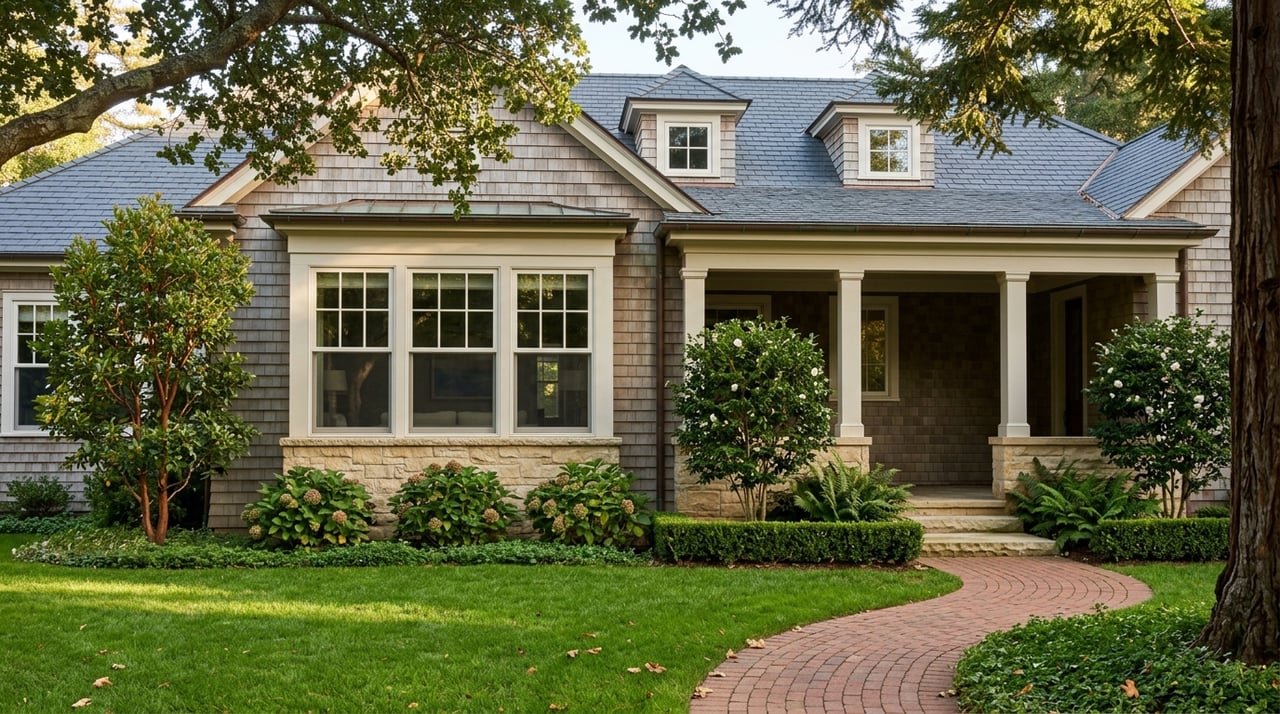
Trying to choose between West Menlo and Allied Arts can feel harder than it should. Both are established Menlo Park enclaves with strong identities, but they reward different priorities once you look past the shorthand. If you want a clearer way to think about location, character, daily rhythm, and housing feel, this guide will help you compare the key differences. Let’s dive in.
Menlo Park enclave boundaries are approximate
Before comparing these areas, it helps to know that Menlo Park’s neighborhood boundaries are not perfectly fixed. City materials note that neighborhood edges do not always line up cleanly with census tracts, and Allied Arts/Stanford Park and West Menlo are sometimes split differently for analysis.
In plain terms, you may hear slightly different definitions depending on whether someone is speaking in civic, planning, or market terms. That is especially true at the street level, where a home’s feel and access can matter more than a line on a map.
West Menlo location and feel
West Menlo sits on the west side in a higher, hillier part of the broader Menlo Park area, west of Alameda de las Pulgas. County documents also refer to West Menlo Park as unincorporated San Mateo County, so the label can describe either a local market area or a civic geography depending on context.
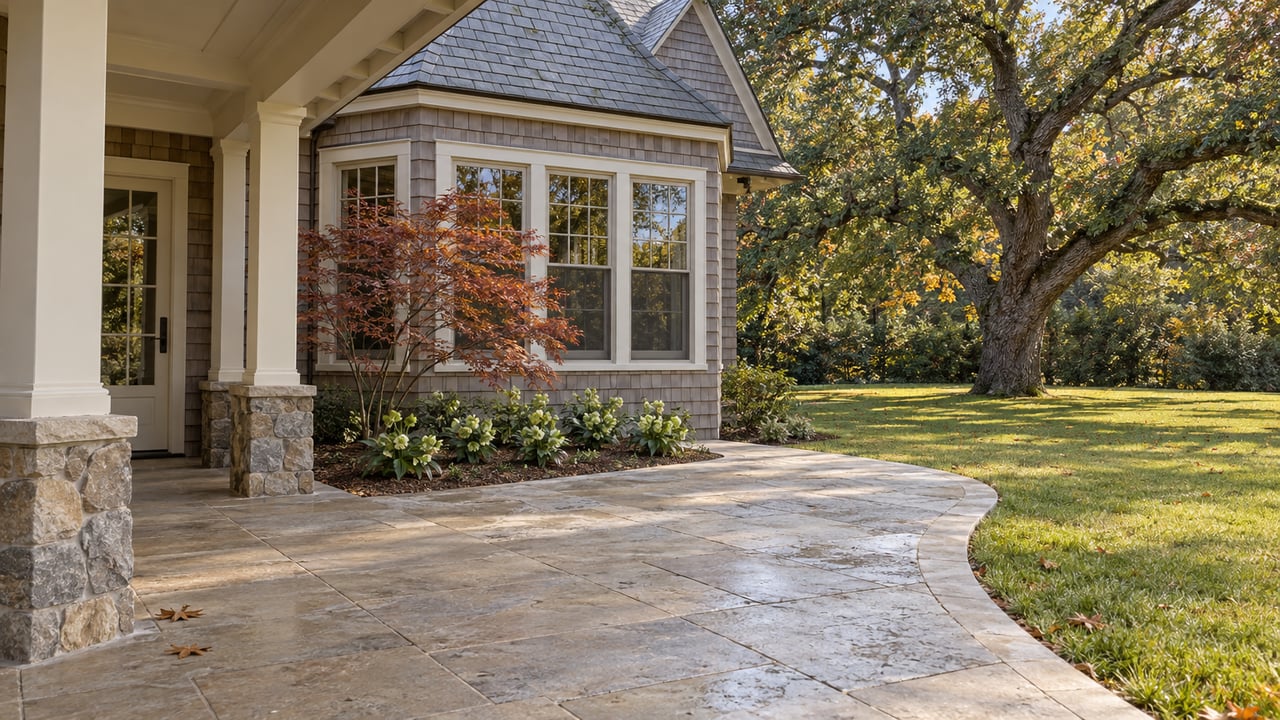
The area reads as primarily residential. City materials describe it as tree-lined, more auto-oriented, and made up mostly of detached single-family homes.
What homes feel like in West Menlo
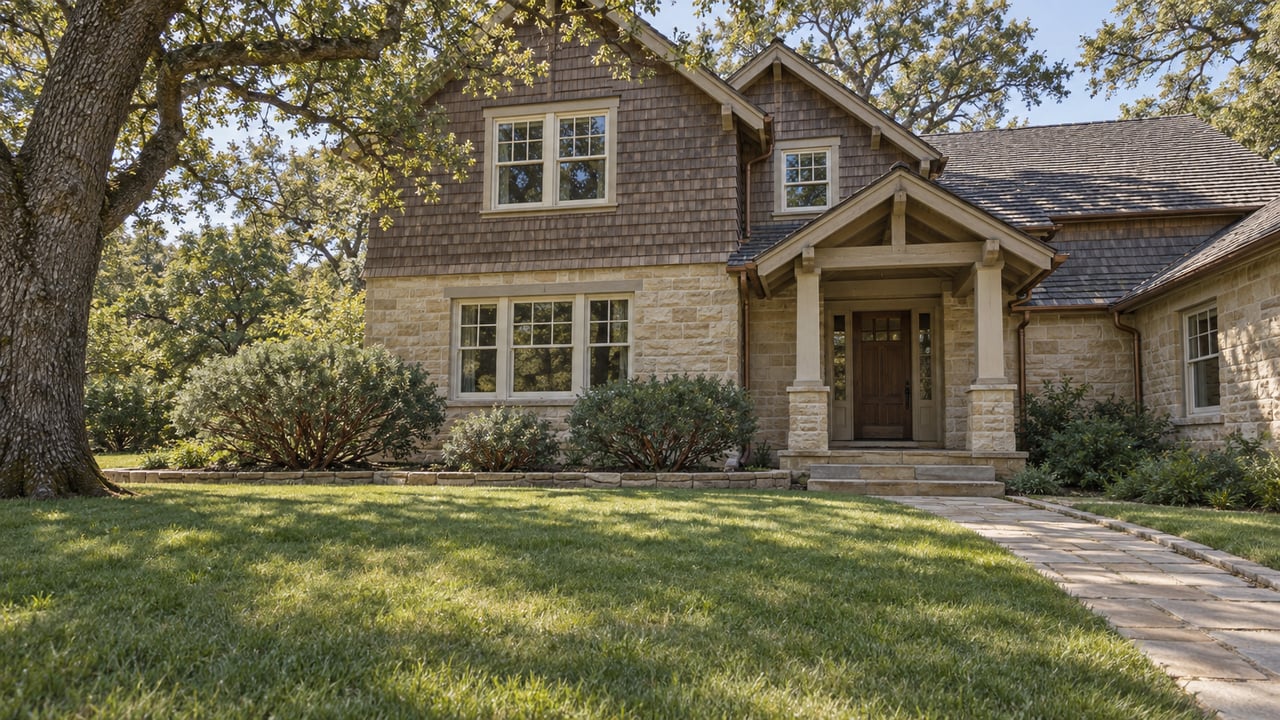
West Menlo offers a wide range of parcel sizes, including some larger residential parcels in parts of the area. Older homes are often single-story with rear detached garages, while newer homes are more likely to be two-story with front-loading or rear garages.
Planning materials also note a mix of Craftsman, traditional, contemporary, and ranch styles. On some blocks, you may also find substandard-width lots, which is one reason block-by-block comparison matters here.
What daily life feels like in West Menlo
West Menlo tends to suit a more car-centered routine. The street pattern includes cul-de-sacs and inconsistent sidewalks, and while Santa Cruz Avenue has bus stops at each block, Valparaiso Avenue and Middle Avenue have more limited service.
That often translates to a quieter, more residential rhythm. If you value privacy, separation, and more variation in lot shape and scale, West Menlo may feel like the better match.
West Menlo amenities and tradeoffs
There is no public open space inside the neighborhood boundary. Jack W. Lyle Park sits just outside the northwest end, and city materials identify additional community uses in the area, including a public elementary school, a public middle school, a private K-8 school, a church, a cemetery, and an art gallery.
The main tradeoff is convenience within the neighborhood itself. Grocery access is nearby, but not as embedded into the enclave, and some eastern-edge blocks touch a flood-hazard area, so property-specific diligence matters.
Allied Arts location and feel
Allied Arts/Stanford Park sits around El Camino Real, Middle Avenue, and Creek Drive, near San Francisquito Creek and just west or southwest of downtown Menlo Park. Compared with West Menlo, it feels closer to the central fabric of the city.
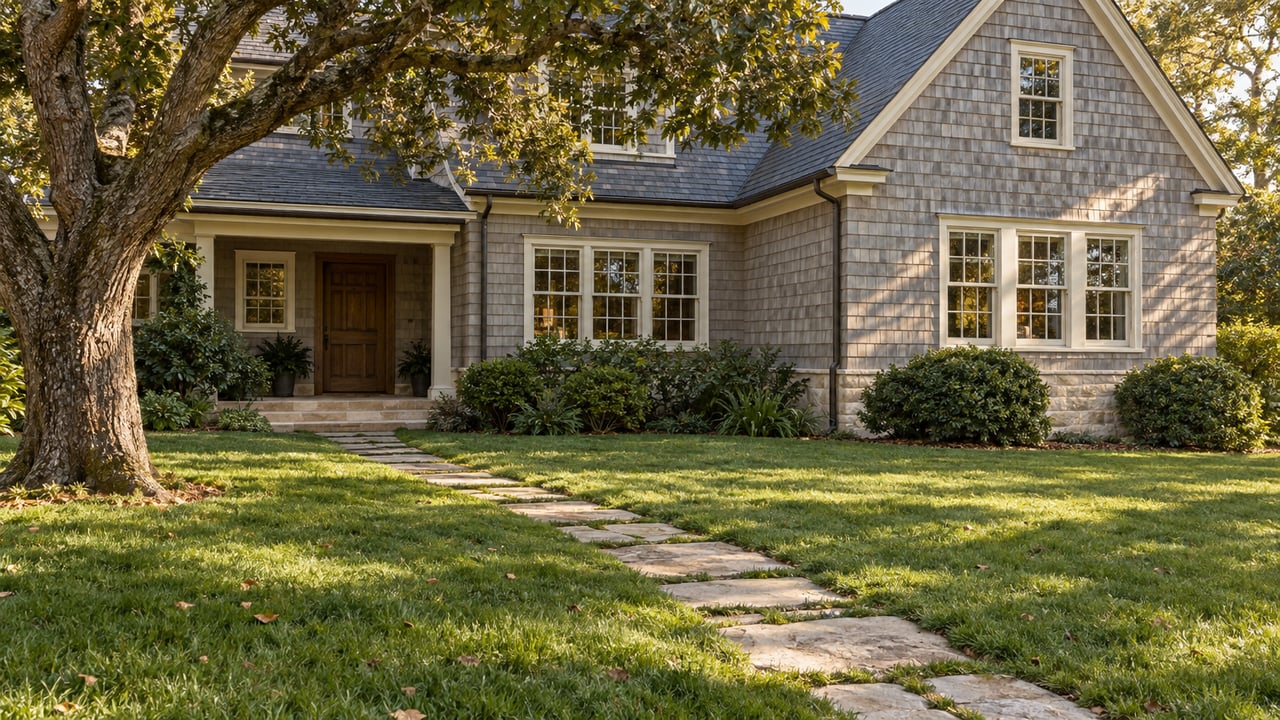
It is also mostly detached single-family housing, but the visual identity is more historic and layered. This is often the area people mean when they want charm, mature trees, and a stronger period-home story.
What homes feel like in Allied Arts
City materials describe Allied Arts/Stanford Park as strongly shaped by homes built between 1926 and 1940. You see Colonial, Tudor, and Mediterranean Revival influences, along with long narrow parcels and mostly one- to two-story residences.
The streetscape is defined by mature trees and a more established architectural rhythm. For buyers who care about texture and historic character, that can be a meaningful difference from the broader style mix in West Menlo.
What daily life feels like in Allied Arts
Allied Arts relies on El Camino Real, Middle Avenue, and University Drive for access around Menlo Park and across the Peninsula. It has a more regular grid and better internal walkability than West Menlo, even though it still functions as a road-oriented neighborhood more than a transit-first one.
That often gives the area a balanced feel. You are in an established residential setting, but with a stronger sense of connection to nearby destinations and everyday movement.
Allied Arts amenities and tradeoffs
Like West Menlo, Allied Arts does not have open space inside the neighborhood boundary. However, Nealon Park and Jack W. Lyle Park sit immediately adjacent, and Nealon Park includes softball, tennis, a dog park, and the Little House Activity Center.
The Allied Arts Guild is also a signature landmark and a major cultural node. The tradeoff is that open space is next to the neighborhood rather than within it, and the housing stock is more mixed than a purely estate-style residential area.
Central Menlo matters in this comparison
Even if your focus is West Menlo versus Allied Arts, Central Menlo is useful as a reference point. It is the closest-in residential core near downtown and Caltrain, with a tighter street pattern and a more transit-oriented daily rhythm.
City reports describe Central Menlo as compact, older, and more mixed, with both single-family and multi-family buildings on walkable blocks. It also benefits from the Menlo Park Caltrain station at its southeast corner, public transit along Laurel Street and Ravenswood Avenue, and city shuttle service connecting local destinations and commuter corridors.
Why Central Menlo helps clarify the choice
If Central Menlo represents convenience, transit access, and downtown errands, then West Menlo and Allied Arts can be understood by how far they move from that center. West Menlo leans more private, more variable, and more car-dependent.
Allied Arts sits more in the middle. It has a stronger historic identity than Central Menlo and generally better internal walkability than West Menlo, while still feeling residential rather than urban.
West Menlo vs Allied Arts at a glance
If you are comparing these enclaves, the real question is less about which one is better and more about which one fits the way you want to live. Here is a simple framework.
| Enclave | Often Appeals For | Main Tradeoff |
|---|---|---|
| West Menlo | Privacy, quieter residential setting, larger or more varied parcels | More car-oriented lifestyle, no internal public open space |
| Allied Arts/Stanford Park | Historic character, mature trees, established feel, better internal walkability | Open space is adjacent rather than inside the boundary |
| Central Menlo | Quick access to Caltrain, downtown errands, tighter block structure | Less neighborhood parkland inside the boundary |
How to decide between West Menlo and Allied Arts
If you are drawn to a quieter setting and want more separation between homes, West Menlo may be the better fit. It tends to reward buyers who prioritize privacy, lot variation, and a more residential pace.
If you care most about architectural texture, mature landscaping, and an established neighborhood feel with easier access patterns, Allied Arts may be the stronger match. It often appeals to buyers who want character without moving fully into a denser downtown-adjacent setting.
The best comparison is rarely just neighborhood to neighborhood. In Menlo Park, even nearby blocks can shift the experience of walkability, parcel shape, traffic flow, and home style.
A smart way to compare specific properties
When you evaluate homes in these enclaves, focus on the details that shape daily life:
- Street location and access to main routes
- Lot size, width, and overall parcel layout
- Sidewalk presence and block walkability
- Proximity to parks just outside the neighborhood boundary
- Architectural condition and era of the home
- Any flood-hazard considerations for the specific property location
In a market where small geographic differences can carry real lifestyle impact, a precise property-level read matters. That is often where the clearest answer emerges.
If you are weighing a move in Menlo Park and want a discreet, data-informed perspective on which enclave fits your goals, Stephanie Elkins offers private guidance, curated buyer representation, and strategic valuation support tailored to the inner-Peninsula market.
FAQs
Is West Menlo part of Menlo Park?
- County documents refer to West Menlo Park as unincorporated San Mateo County, so the answer depends on whether you mean local market shorthand or civic geography.
Which Menlo Park enclave is closest to Caltrain and downtown?
- Central Menlo is the closest, with the Menlo Park Caltrain station on its southeast corner and downtown in the same general core.
Which Menlo Park enclave has the strongest historic architecture?
- Allied Arts/Stanford Park is most strongly associated with period homes from roughly 1926 to 1940, including Colonial, Tudor, and Mediterranean Revival influences.
Is West Menlo or Allied Arts more walkable?
- Allied Arts generally has better internal walkability because it has a more regular grid, while West Menlo is described as more auto-oriented with inconsistent sidewalks.
Does West Menlo have parks inside the neighborhood?
- No. City materials say there is no public open space inside the West Menlo neighborhood boundary, though Jack W. Lyle Park is just outside the area.
Does Allied Arts have parks inside the neighborhood?
- No. Allied Arts also lacks open space within the neighborhood boundary, but Nealon Park and Jack W. Lyle Park are immediately adjacent.