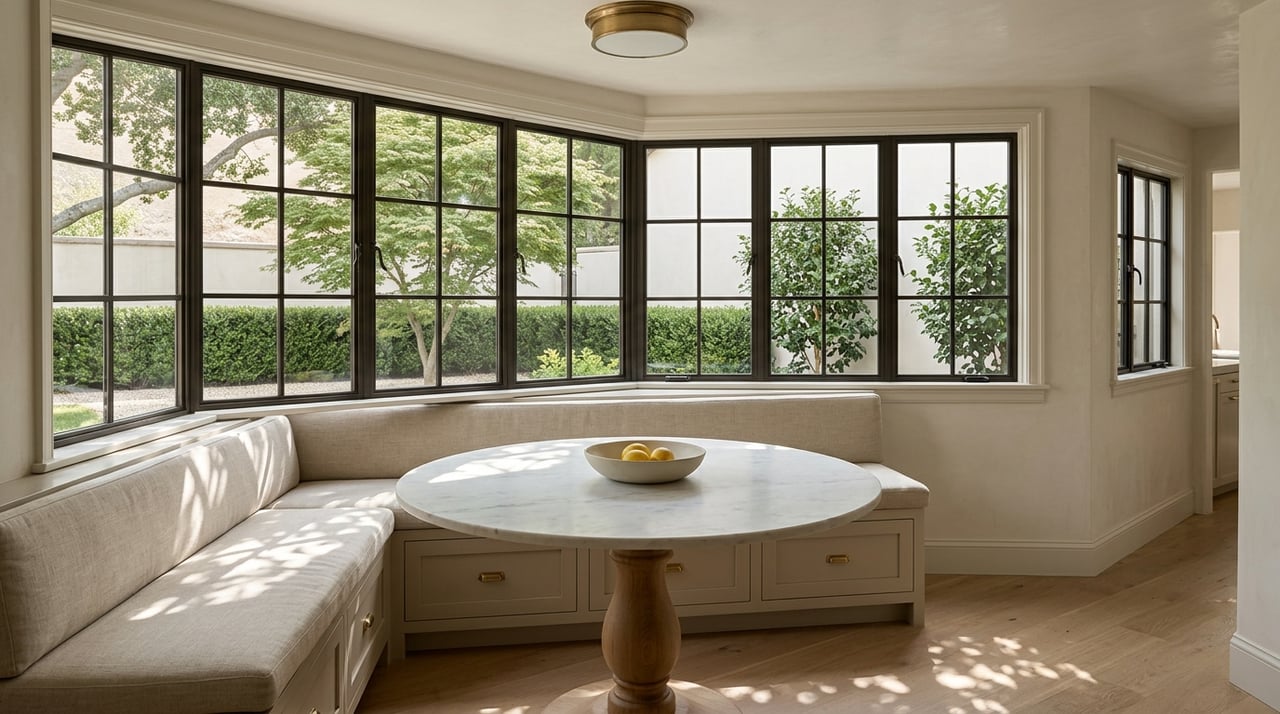
If you picture luxury as something loud or showy, Menlo Park may surprise you. Here, everyday luxury often looks quieter: a short walk to coffee, a fast stop at the farmers market, an easy commute, and parks or library visits that fit naturally into your week. If you are considering a move to Menlo Park or simply want to understand why this small Peninsula city feels so appealing, this guide will show you how convenience, calm, and thoughtful design shape daily life. Let’s dive in.
Menlo Park luxury feels practical
Menlo Park is a relatively small city, with a July 2024 population of 33,040. Its planning priorities place real emphasis on preserving small-town character while improving public spaces, sidewalks, and connectivity in the downtown and station area.
That matters because the local version of luxury is often about ease. Instead of building your day around traffic and long drives, many routines in Menlo Park can happen close to home, with less friction and more breathing room.
The city also presents itself as a Tree City USA community, which supports the sense of canopy, openness, and visual calm many people notice right away. In a market known for intensity, Menlo Park offers a more grounded pace without losing access to key work and lifestyle destinations.
Downtown Menlo Park adds daily ease
Downtown Menlo Park plays a big role in the city’s everyday appeal. The area is walkable and tree-lined, with eateries, shops, convenience stops, outdoor dining through the Streetary program, and even specialty services like interior design.
For many buyers, this is what luxury looks like in real life. You can step out for dinner, meet someone for coffee, pick up a few essentials, or browse local shops without turning a simple errand into a major outing.
The city also treats downtown vibrancy as a formal priority, which helps explain why the area feels active without feeling overwhelming. It is designed to support regular routines, not just occasional events.
Small moments feel more enjoyable
Menlo Park’s downtown calendar adds another layer of value to everyday life. The city hosts a Sunday farmers market at Santa Cruz and Menlo avenues, along with summer concerts at Fremont Park.
There is also a planned public plaza on the 600 block of Santa Cruz Avenue, intended as a gathering place for coffee, meals, and small events. These details may sound simple, but they shape the rhythm of a week in meaningful ways.
Luxury is not always about having more. Sometimes it is about having a setting where ordinary moments feel easier, better, and more connected.
Transit is part of the appeal
Caltrain’s Menlo Park station sits one block west of Santa Cruz Avenue. That proximity helps downtown function as more than a commuter stop. It feels like a compact main street with real day-to-day usefulness.
The station itself is also a California Historical Landmark originally built in 1867, which adds a layer of local character. For buyers who value access and charm, that blend is part of what makes Menlo Park stand out.
Parks support an active routine
Menlo Park’s parks system is another reason everyday life here feels elevated. The city says its parks range from nature preserves to playgrounds and sports parks, with numerous parks that also include dog parks and a skate park.
This variety gives you options that suit different schedules and interests. A quick walk, an afternoon outside, or time to reset after work can feel easy to build into the day.
Bedwell Bayfront Park offers open space
Bedwell Bayfront Park is a 160-acre nature park with walking trails and wildlife viewing. In a high-performing region where calendars can fill quickly, access to a large natural setting nearby can feel like a genuine luxury.
It gives residents a way to step into open space without needing to plan a full day around it. That kind of convenience often becomes one of the most valued parts of living well.
Burgess Park clusters key amenities
Burgess Park is especially notable because of what surrounds it. It sits on the Civic Center campus near the Arrillaga Family Gymnasium, Arrillaga Family Recreation Center, Arrillaga Family Gymnastics Center, Burgess Pool, and the Menlo Park Library.
When several useful destinations are grouped together, daily logistics become much simpler. You can combine activities, save time, and move through the week with less stress.
The Menlo Park Library adds even more value, offering books, computers, high-speed internet, study spaces, early childhood literacy resources, and cultural and educational events. That kind of civic infrastructure contributes to a lifestyle that feels both polished and practical.
Convenience matters for busy households
One of the clearest examples of Menlo Park’s convenience-first lifestyle is the cluster around Menlo Children’s Center. The city notes that it sits within a short walk of the library, recreation center, gymnastics center, and duck pond.
For households balancing work, activities, and family routines, that kind of layout can make a real difference. Less driving and simpler coordination can create more room in the day for work, rest, and time together.
This is part of why Menlo Park’s luxury often feels understated. It is not only about finishes or square footage. It is also about how well a place supports the way you actually live.
Menlo Park works for commute access
Menlo Park is easy to reach by El Camino Real, Highway 101, and the Dumbarton Bridge, according to the city’s visitor information. The downtown and station area is also treated as a transit-oriented community in city transportation planning.
For many professionals, that means strong access without giving up the quieter feel of a smaller city. You can stay connected to the broader Peninsula while still coming home to a place that feels composed and manageable.
Major campuses shape the lifestyle
Menlo Park’s professional ecosystem is unusually dense for a city of its size. Meta lists 1 Meta Way, Menlo Park, as its principal executive office address, and Stanford reports that its 8,353-acre campus includes 142 acres in Menlo Park.
These institutional anchors help explain why the city attracts people who value proximity, efficiency, and a high-functioning daily routine. Shorter or simpler access to work and campus environments can be one of the most meaningful lifestyle upgrades a move provides.
In that sense, everyday luxury here is not just aesthetic. It is also about protecting your time.
Homes often reflect quiet refinement
In Menlo Park, homes that feel luxurious often align with the rhythms of local life. Rather than reading as overly ornate, they may feel organized, functional, and quietly refined.
That can mean better flow, stronger privacy, more useful storage, and spaces that support both focused work and relaxed entertaining. In a market where many buyers are balancing demanding schedules, those qualities tend to matter every day.
Features that support daily living
Buyer preference research points to features that fit this lifestyle well. These include:
- Home offices
- Patios
- Outdoor kitchens or fireplaces
- Two-car garages
- Walk-in pantries
- Programmable thermostats
- Security cameras
- Wired security
- Video doorbells
- Energy-efficient appliances
- EV chargers
In Menlo Park, these are not just luxury add-ons. They often reduce daily friction, support indoor-outdoor living, and make a home easier to manage.
Design matters when it feels effortless
The most appealing homes often make good design feel almost invisible. A well-placed office can improve remote work. A strong connection to outdoor space can make weeknight dinners and weekend hosting feel more natural.
Garage utility, pantry storage, and efficient systems may not sound glamorous at first, but they are often the features that improve life the most over time. In Menlo Park, that is a big part of the point.
Why buyers respond to this lifestyle
Many luxury buyers today are not searching for spectacle alone. They are looking for privacy, convenience, thoughtful design, and a setting that supports demanding personal and professional lives.
Menlo Park offers a compelling mix of those elements. It combines a small-city pace with access to transit, parks, downtown amenities, and major employment centers.
For some, the appeal is immediate. For others, it becomes clear when they imagine a normal Tuesday that runs more smoothly, with less time lost between destinations and more enjoyment built into everyday routines.
That is what everyday luxury looks like in Menlo Park.
If you are considering buying or selling in Menlo Park and want a discreet, well-informed perspective on how lifestyle and property value intersect, Stephanie Elkins offers thoughtful guidance tailored to the inner-Peninsula luxury market.
FAQs
What does everyday luxury mean in Menlo Park?
- In Menlo Park, everyday luxury often means convenience, walkability, access to parks and downtown, easier commutes, and homes designed to support efficient, comfortable daily routines.
What makes downtown Menlo Park appealing to homebuyers?
- Downtown Menlo Park offers a walkable, tree-lined setting with restaurants, shops, outdoor dining, a Sunday farmers market, summer concerts, and close access to the Caltrain station.
What parks and recreation options are available in Menlo Park?
- Menlo Park offers numerous parks, including nature preserves, playgrounds, sports parks, dog parks, a skate park, and Bedwell Bayfront Park with trails and wildlife viewing.
How does Menlo Park support busy household routines?
- Menlo Park supports busy routines through clustered amenities such as parks, recreation facilities, the library, and Menlo Children’s Center, which can make day-to-day logistics simpler.
What home features fit the Menlo Park luxury lifestyle?
- Features that fit the Menlo Park lifestyle often include home offices, patios, outdoor living areas, garage storage, walk-in pantries, security systems, energy-efficient appliances, and EV chargers.