Thinking about a Portola Valley home as more than just a place to live? In this market, that is often the right lens. If you are weighing lifestyle, long-term value, renovation potential, and future exit options, understanding how Portola Valley works can help you make smarter decisions from the start. Let’s dive in.
Why Portola Valley Fits a Long-Term Hold
Portola Valley is not a market that rewards a casual, quick-turn approach. Its identity is shaped by low-density planning, open space, scenic roads, trails, historic resources, sustainability, and safety, all of which influence how property is used and improved over time.
The Town’s planning framework also places clear importance on visual character, public safety, and land values. That includes limits on indiscriminate clearing, excessive grading, and tree loss. In practical terms, the land itself often matters just as much as the house sitting on it.
That is one reason Portola Valley tends to function well as a long-hold asset. When supply is limited and local oversight is intentional, value often builds through thoughtful ownership, careful improvements, and patience.
What the Market Data Suggests
Recent market snapshots point to a high-priced, relatively thin market. MLSListings reported a June 2026 single-family median sale price of $3.55 million, 11 active listings, and 33 median days on market. Redfin’s May 2026 all-home snapshot showed a median sale price of $4.62 million and 18 median days on market, while Realtor.com described June 2026 as warm and balanced, with a 98% sale-to-list ratio and a median of 51 days on market.
The exact figures vary because each source uses different property types, time periods, and methods. Still, the overall pattern is consistent: limited inventory, high price points, and a market where pricing and presentation continue to matter.
For you, that means Portola Valley may be better suited to a measured portfolio strategy than short-term speculation. A well-chosen property can serve personal use, future flexibility, and long-range planning all at once.
Think Beyond the House
In Portola Valley, value is often tied to site quality as much as interior finishes. Average single-family home size was about 3,020 square feet in SAMCAR’s Q1 2025 data, while average lot size was roughly 41,217 square feet.
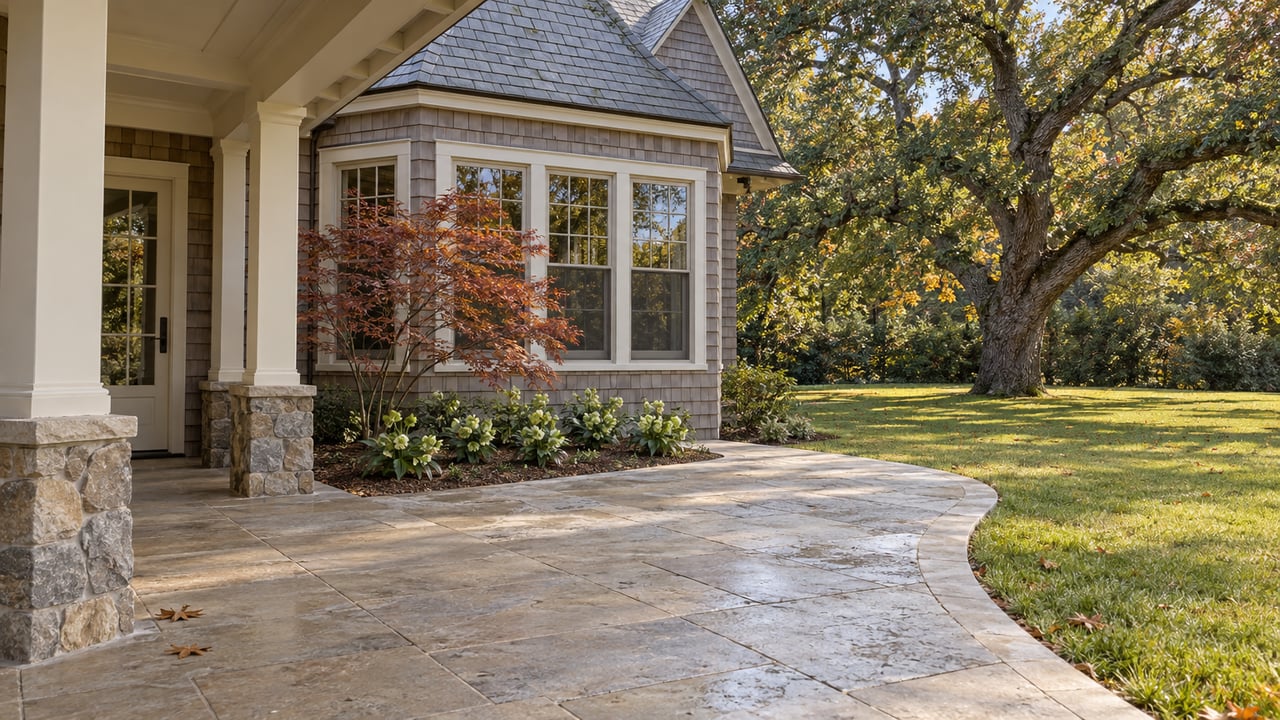
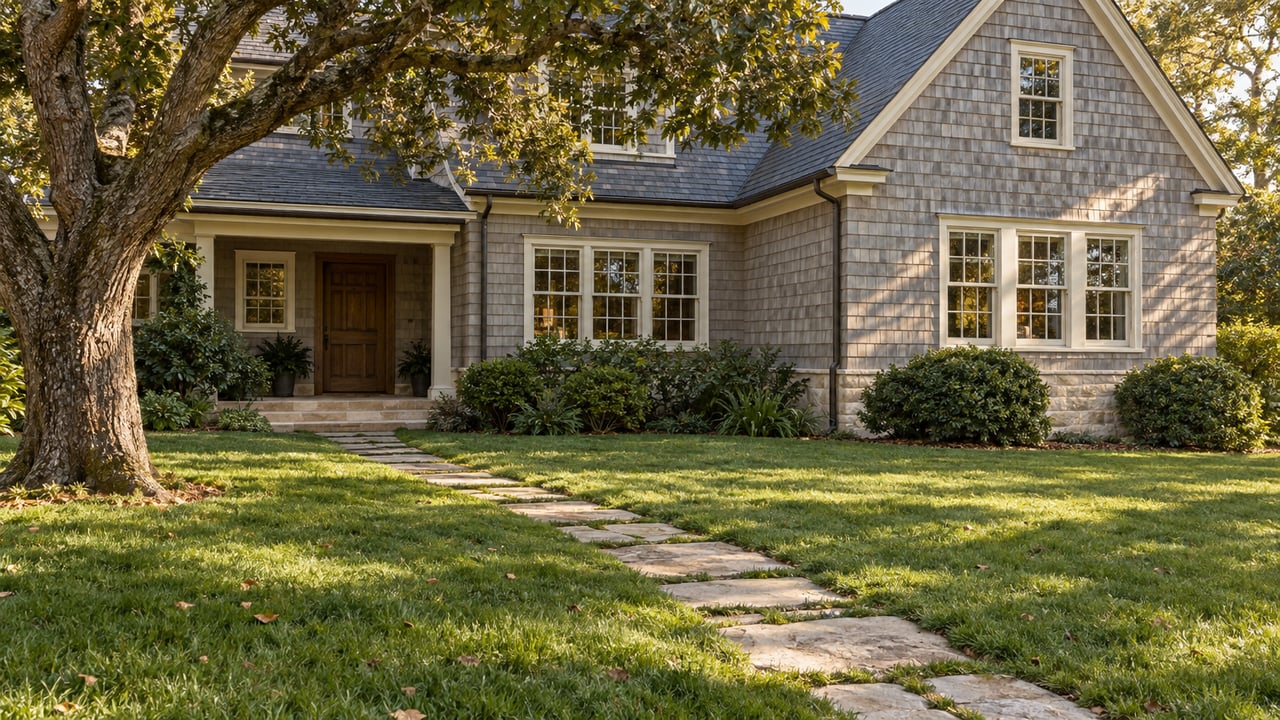
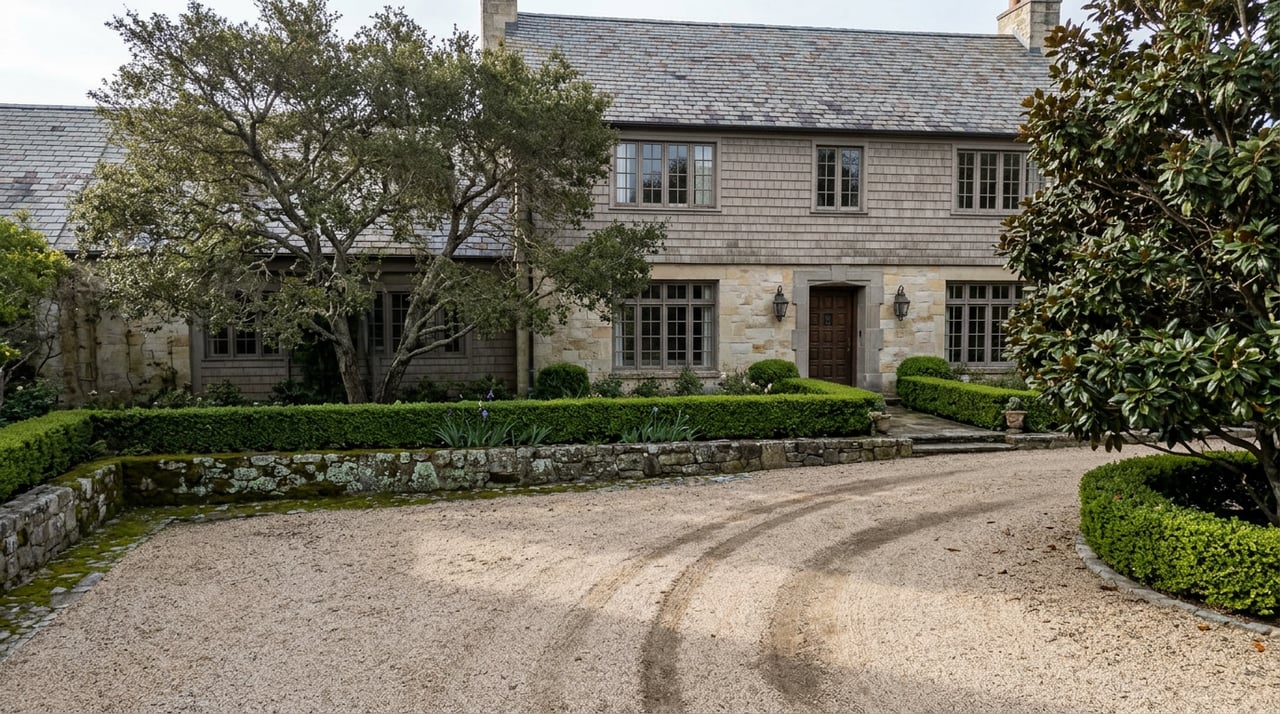
Those numbers help explain why buyers often pay close attention to privacy, landscaping, layout, and the way a home sits on the land. Mature trees, usable outdoor space, and a strong sense of setting can carry real weight in this market.
If you are evaluating a property for a long-term portfolio, it helps to look past surface-level updates. The bigger question is whether the site gives you durable value and future options.
Holding Period and Tax Planning
Why timing matters
If the property will be your primary residence, holding period matters for tax planning. The IRS says you may exclude up to $250,000 of gain, or up to $500,000 on a joint return, if you owned and used the home as your main home for at least two of the five years before the sale.
The IRS also notes that you generally cannot use the exclusion again if you claimed another home-sale exclusion within the prior two years. That makes very short ownership periods less efficient for many primary-residence owners.
If you are building a long-term plan, this rule is worth considering early. Your move-in date, improvement timeline, and target sale window can all affect your outcome.
How Proposition 13 supports long holds
California’s Proposition 13 creates a different kind of long-term advantage. In general, assessed value growth is capped at 2% annually, and reassessment is usually tied to a change in ownership or new construction.
For many long-time owners, that means property taxes can remain more predictable than market value growth would suggest. Over time, that can make holding a Portola Valley home more attractive, especially when compared with buying a replacement property at current prices.
It is also important to know that supplemental assessments can follow a change in ownership or completed new construction. If you are planning improvements, those tax effects should be part of the analysis.
Exit costs to factor in
When you eventually sell, San Mateo County documentary transfer tax is part of the equation. The county rate is 55 cents per $500 of value, or $1.10 per $1,000, when the consideration or fair market value exceeds $100, unless an exemption applies.
On a high-value Portola Valley sale, that can become a meaningful closing cost. It is not usually the biggest line item, but it belongs in any hold-versus-sell calculation.
If your plans involve a replacement home or an estate-related transfer, Proposition 19 may also affect the tax outcome. Because those situations are highly specific, many owners benefit from reviewing timing and structure with their attorney or CPA before making a move.
Renovation Potential in Portola Valley
Value-add is possible, but the site leads
Portola Valley can offer strong renovation and expansion potential, but the process is not always simple. The Town notes that some parcels may be restricted by fire-safety issues such as ingress and egress, slope, road width, and geologic conditions tied to faults or downslope movement.
That means two homes with similar square footage can offer very different improvement paths. Before you count on a major expansion, it is smart to understand the lot’s physical and regulatory constraints.
In this market, successful value-add projects usually begin with the site, not just the floor plan. A thoughtful feasibility review can save time, money, and frustration later.
What approvals may be required
The permit path can be more involved than in many nearby suburbs. Larger additions and certain other projects can trigger review by the Architectural & Site Control Commission, and significant grading, vegetation removal, or tree impacts may require a Site Development Permit.
Tree removal for significant trees requires separate review as well. If your long-term plan includes major site work, that level of oversight should shape both your timeline and your budget.
For buyers, this is one of the most important due diligence areas. A property with obvious upside on paper may still have practical limits once review standards are applied.
ADUs and flexibility
Accessory dwelling units and junior accessory dwelling units can add useful flexibility to a Portola Valley property. The Town says there is no minimum lot size requirement to build an ADU, and converting existing space is generally faster and less expensive than ground-up construction.
Lot size does affect how many units may be allowed. On properties under 3.5 acres, owners generally may have one internal or external ADU plus one JADU, while larger parcels may allow one detached ADU, one internal ADU, and one JADU.
For a long-term portfolio, that flexibility can matter. You may use the space for extended stays, household support, or longer-term rental use, depending on your goals and the property’s constraints.
It is equally important to know what is not allowed. The Town states that rentals under 30 days are prohibited, which pushes most owners away from short-stay monetization and toward personal use or longer leasing strategies.
How renovations affect property taxes
A remodel does not automatically reset the full property tax base. The Town explains that when new square footage is added or an existing space is converted to an ADU, the Assessor values the assessable new construction, while the existing home keeps its prior Proposition 13 base-year value.
That can make selective improvements more appealing from a portfolio standpoint. You may be able to add function or value without fully losing the benefit of an older tax basis on the original home.
Still, the details matter. If you are planning a significant project, it helps to evaluate the likely tax effect before finalizing the scope.
Choosing the Right Exit Strategy
Primary residence sale
If the home is your primary residence, the cleanest exit is often a sale timed around life planning, market conditions, and tax strategy. When the ownership and use tests are met, the federal home-sale exclusion can make that path much more efficient.
This is one reason long-term planning matters so much in Portola Valley. A well-timed sale can protect flexibility while also reducing avoidable tax friction.
Second home or legacy hold
If the property is a second home, family asset, or long-term legacy hold, the decision may look different. Portola Valley’s rules and market character tend to support personal enjoyment, measured improvements, and longer ownership horizons rather than fast-turn investing.
The local housing policy backdrop is also still evolving. The Town’s current Housing Element covers 2023 through 2031, includes planning for 253 units, and identifies ADUs as an important source of housing, while amendment activity in 2026 shows that housing policy is still being actively revised.
That suggests change may come gradually through managed review, not through a dramatic shift overnight. For owners, that makes local knowledge and steady planning especially valuable.
A practical portfolio mindset
If you are considering a Portola Valley home as part of your long-term portfolio, it may help to think of it in three ways at once: a lifestyle asset, a tax-managed residence, and a site-sensitive improvement opportunity.
That combination is what makes this market distinctive. You are not simply buying square footage. You are buying land, setting, rules, optionality, and time.
With the right property and a clear plan, long-term ownership can create flexibility that is hard to replicate elsewhere on the Peninsula. If you want discreet guidance on valuation, acquisition strategy, or the best way to position a future sale, connect with Stephanie Elkins.
FAQs
How long should you plan to own a Portola Valley primary residence?
- For many owners, at least two years is an important benchmark because the IRS says the federal home-sale exclusion generally requires two years of ownership and use within the five years before sale.
How does Proposition 13 affect a Portola Valley long-term hold?
- Proposition 13 generally caps annual assessed-value growth at 2% and ties reassessment to a change in ownership or new construction, which can favor longer ownership.
Will remodeling a Portola Valley home fully reset property taxes?
- No. The Town says the assessable new construction is valued, while the existing home retains its prior Proposition 13 base-year value.
Can you build an ADU on a Portola Valley property?
- In many cases, yes, but feasibility depends on the lot and may be affected by fire-safety access, slope, road width, geologic conditions, and Town review requirements.
Can you use a Portola Valley ADU as a short-term rental?
- No. The Town says rentals under 30 days are prohibited.
What sale costs should you review before listing a Portola Valley home?
- You should review documentary transfer tax in San Mateo County, any relevant Proposition 19 implications, and whether recent improvements could lead to supplemental assessment.