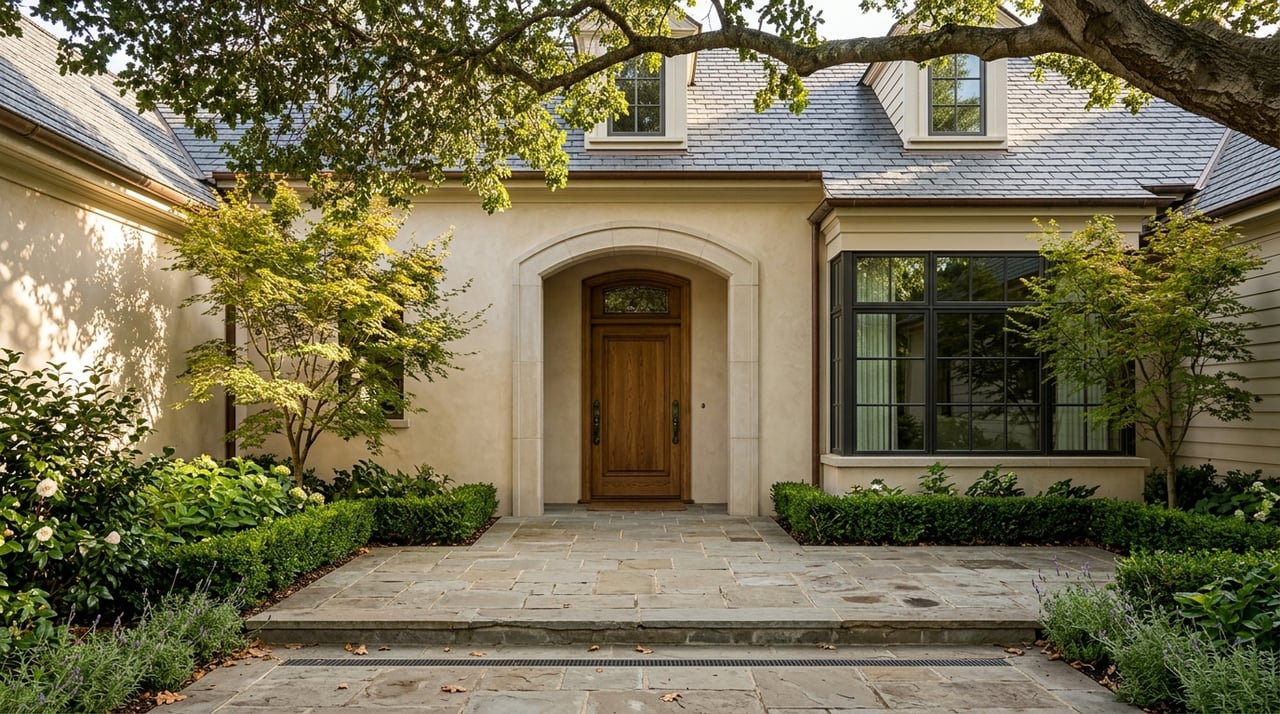
If you look closely at Atherton’s most memorable estates, one thing becomes clear: no single architectural style defines the town. Instead, what stands out is how each property uses scale, landscape, and privacy to create a complete estate experience. If you are buying, selling, or planning updates in Atherton, understanding that design logic can help you see beyond labels and focus on what truly supports long-term appeal. Let’s dive in.
Why Atherton Architecture Feels Distinct
Atherton’s residential character is shaped by large parcels, mature tree cover, and a land use pattern that remains overwhelmingly single-family. The town notes that little developable land remains, and its zoning framework includes residential areas with one-acre minimum lots in R-1A and 13,500-square-foot minimum lots in R-1B, with maximum house size tied to lot size and zone. In practice, that encourages custom homes that feel like private compounds rather than standard suburban infill.
That history also matters. Atherton developed around larger landholdings and estate properties, and over time many of those parcels were subdivided. As a result, today’s streetscape includes older estate-era homes, later ranch and split-level houses, and newer custom builds, often within the same broader setting of trees, gardens, and long setbacks.
Local design controls reinforce that estate character. New construction must account for landscape screening, tree protection, and ongoing arborist reporting during construction. Detached ADUs may also take the form of cottages, pool houses, or guesthouses, which means secondary structures often play an important role in how an Atherton property looks and lives.
Contemporary Styles in Atherton
Clean lines and quiet presence
Contemporary homes in Atherton tend to emphasize clean geometry, expansive glazing, and a strong connection to terraces, pools, and gardens. Recent local projects highlight large steel windows and doors, simplified detailing, and plans oriented toward rear yard living. The overall effect is often calm and understated rather than flashy.
This style tends to appeal to buyers who value natural light, privacy, and seamless indoor-outdoor flow. On a large Atherton lot, contemporary architecture often works best when the house feels connected to the landscape instead of dominating it. That balance is one reason modern homes here can feel both sophisticated and comfortable.
Scandinavian-influenced modern living
A Scandinavian-influenced version of modern design has also found a natural fit in Atherton. In one local example, a rear family living space was inspired by the Swedish allrum, with the home opening directly to terrace and pool areas. That approach supports everyday gathering while keeping the architecture restrained within Atherton’s tree-filled setting.
For buyers, this style often signals more than a modern appearance. It usually reflects a lifestyle centered on openness, daylight, and functional family space. In Atherton, that can be especially compelling on estate parcels where garden views and privacy are as important as square footage.
Transitional Homes Bridge Old and New
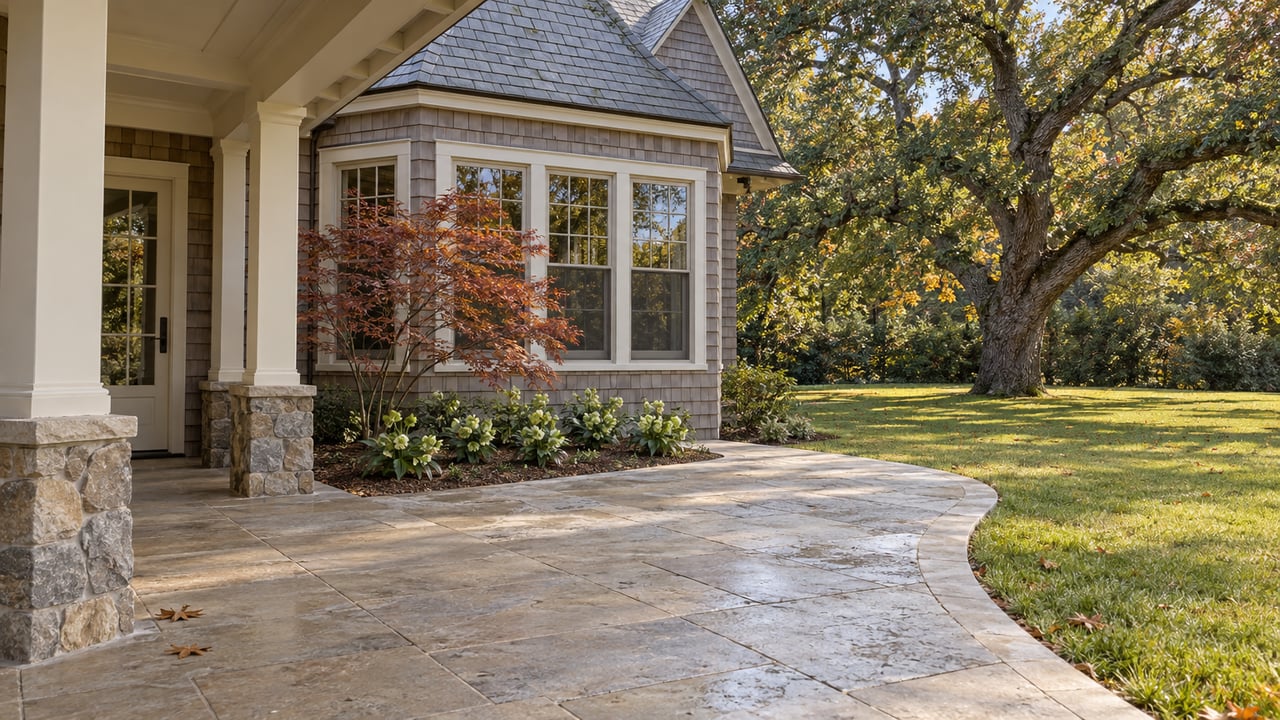
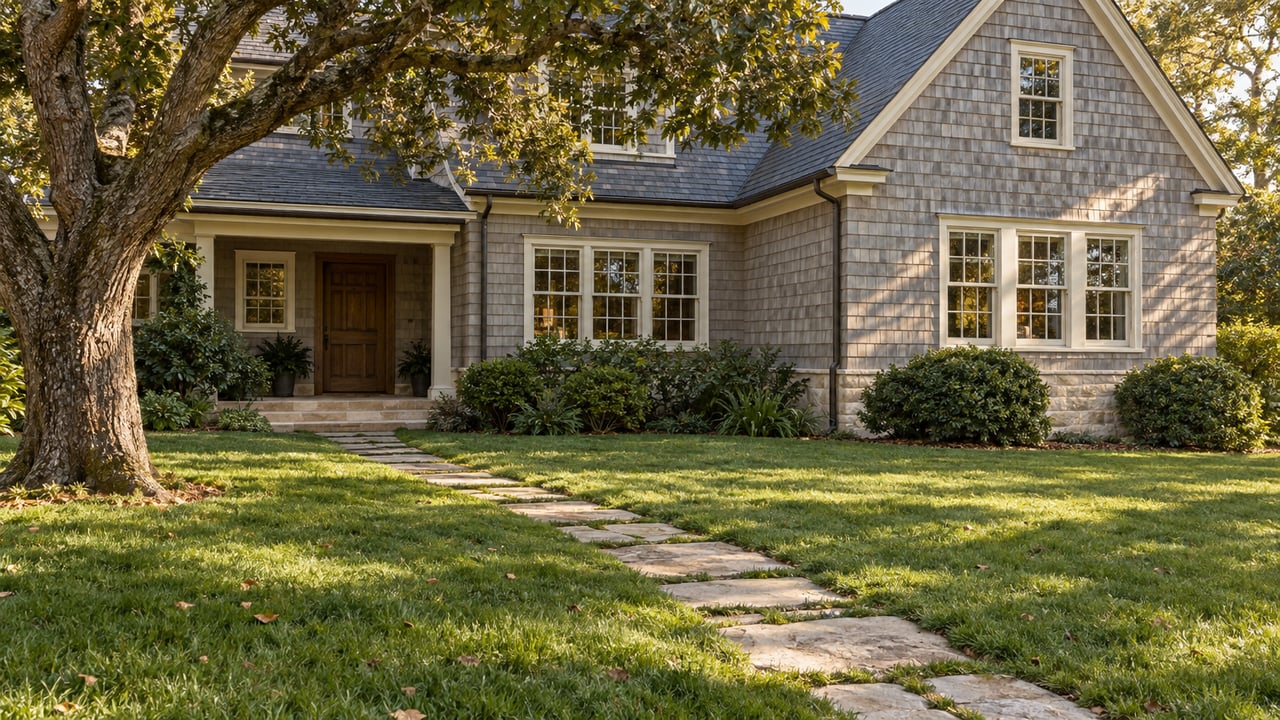
Transitional architecture is one of the most relevant styles in today’s Atherton market because it blends traditional exterior cues with more current interiors. Pitched roofs, cedar shingles, and familiar massing can remain, while the floor plan, windows, and finishes shift toward a more open and tailored look. That makes the style feel timeless without feeling dated.
For many buyers, transitional homes offer the best of both worlds. You get the visual warmth and presence of a classic residence, but with the lighter flow and function expected in a modern home. That can be especially valuable in Atherton, where many owners want a house that feels established from the street and highly livable once you step inside.
This same logic also makes transitional design attractive for sellers considering updates. Rather than replacing a home’s identity, the strongest projects often refine it. In Atherton, thoughtful changes to openings, circulation, and interior planning tend to resonate more than trend-driven design moves.
European-Inspired Estates Remain a Strong Presence
Formality with California livability
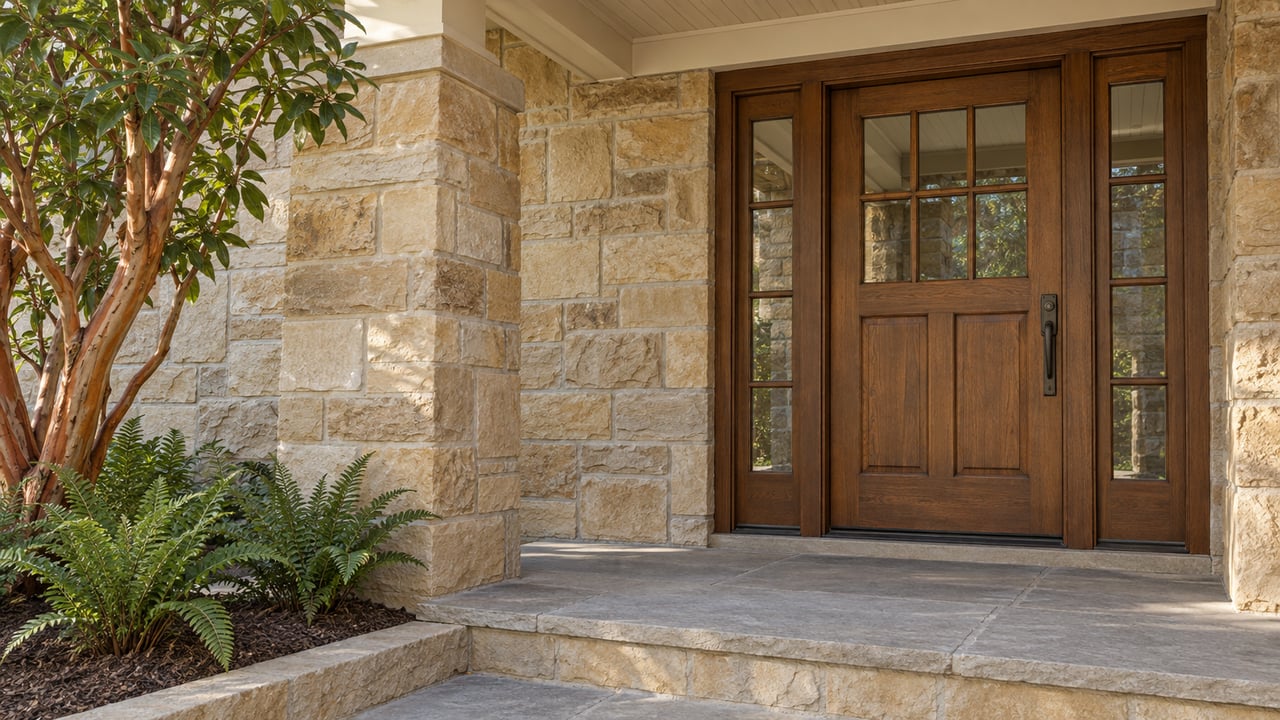
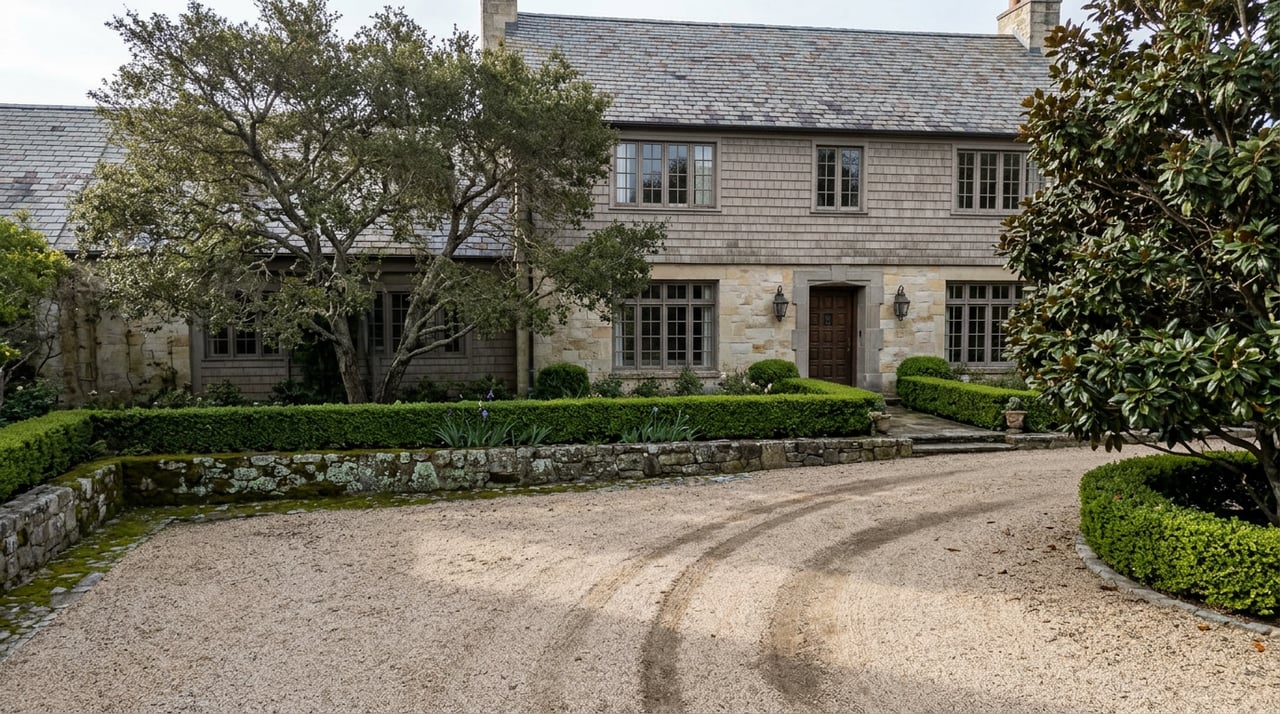
Classic European-inspired estates remain a defining part of Atherton’s architectural mix. Local examples draw from neoclassical, English, Tudor, French, and Mediterranean traditions, often using materials such as stone, slate, plaster, and formal garden planning. These homes typically emphasize arrival, symmetry, and layered outdoor spaces.
What makes the strongest examples work today is adaptation. Rather than preserving formality at the expense of comfort, many newer or renovated estates use courtyards, terraces, and more generous family spaces to make traditional architecture feel easier to live in. That blend of classic proportion and everyday function is a recurring theme in Atherton’s most successful properties.
Tudor, English, and French references
Within this category, Tudor and English-inspired homes continue to stand out. In local renovations, formal rooms have been reworked to better support changing household needs, including guest use, recreation, and multigenerational living. That flexibility is important because estate homes need to function well beyond their original floor plans.
French and neoclassical influences also appear in Atherton, often expressed through composition, materials, and garden relationships. For a buyer, these properties can offer a sense of permanence and ceremony. For a seller, their appeal often depends on keeping the architecture coherent while improving how the home connects to light, landscape, and daily living.
California Traditional Forms Still Matter
Atherton is not only a market of grand revivals and sleek new builds. California traditional forms, including Craftsman, ranch, and split-level homes, remain part of the town’s architectural story. Local and regional design traditions have long emphasized porches, wide eaves, openness, and a close relationship between interior spaces and the outdoors.
That legacy still shows up in Atherton today. Some homes revisit Arts and Crafts details such as layered rafters, brackets, cedar shingles, and deep porches, while framing the house around long garden views and family gathering spaces. Even when these homes are updated, their appeal often comes from warmth, scale, and a strong sense of place.
For buyers, these properties can offer a less formal estate experience while still benefiting from Atherton’s large lots and established landscape. For sellers, they can be especially compelling when updates preserve the home’s original architectural language instead of forcing a style that does not fit.
How Large Lots Shape Design Choices
In Atherton, architectural style is rarely just about appearance. On large parcels, the more important question is how the house and grounds work together. A contemporary home may excel at opening daily life to pool and garden areas, while a European-inspired residence may be better suited to formal arrivals, entertaining, and a sequence of outdoor rooms.
This is why style labels only tell part of the story. The better lens is function on the parcel. If you are evaluating a property, it helps to ask whether the architecture supports privacy, work-from-home use, guest accommodation, entertaining, or multigenerational living.
Secondary structures matter here too. Atherton allows detached ADUs that may include cottages, pool houses, or guesthouses, and on larger parcels those buildings often become part of the overall estate concept. When they are thoughtfully integrated, they expand utility without changing the property’s essential character.
What Supports Long-Term Appeal
Atherton’s strongest recent projects suggest that long-term appeal usually comes from restraint, material quality, and site fit. Architects repeatedly emphasize subtlety, clean lines, natural light, and a strong relationship to the landscape. In other words, the homes that age best tend to feel settled into their setting rather than overdesigned.
That matters in a town that is largely built out. Since there is little developable land remaining and infrastructure is already developed to planned capacity, value creation often comes from remodeling, rebuilding, or carefully expanding within the rules. For both buyers and sellers, that makes good design decisions especially important.
A thoughtful refresh can matter as much as added square footage. Improvements to flow, daylight, and indoor-outdoor connection often have more lasting impact than decorative changes alone. In Atherton, the most durable homes usually pair a clear architectural idea with a landscape plan that feels equally intentional.
What Buyers Should Look For
If you are buying in Atherton, it helps to think beyond whether a home is modern, traditional, or transitional. Focus on how the design supports the way you want to live on the property. In many cases, the lot plan, garden relationship, and secondary spaces are just as important as the main residence.
A few questions can help clarify the fit:
- Does the home create privacy without feeling closed off?
- Do the main living areas connect naturally to terraces, lawns, or a pool?
- Is there flexibility for guests, extended household use, or work-from-home needs?
- Do the materials and design details feel cohesive from the street to the backyard?
- If there is a guesthouse, pool house, or cottage, does it feel integrated into the estate plan?
The best Atherton properties usually answer these questions clearly. They do not just present a style. They offer a complete vision for how the parcel is meant to live.
What Sellers Should Consider Before Updating
If you are preparing an Atherton home for sale, architectural decisions deserve careful handling. Buyers at this level often respond to homes that feel polished, coherent, and easy to understand. That does not always mean a major renovation. Often, it means clarifying the home’s strengths.
In many cases, the most effective updates include:
- Improving natural light through better openings or layout refinement
- Strengthening circulation between kitchen, family, and outdoor spaces
- Refreshing materials in ways that respect the home’s original character
- Refining landscaping to support privacy, approach, and visual calm
- Reframing guest or ancillary structures as part of the estate story
The goal is not to make an Atherton home look trendy. The goal is to help it feel intentional, current, and aligned with the lot. That is often what creates the strongest first impression and the most lasting market appeal.
If you are weighing a sale, purchase, or architectural repositioning in Atherton, working with an advisor who understands design, privacy, and estate-scale presentation can make a meaningful difference. For discreet guidance tailored to your goals, connect with Stephanie Elkins.
FAQs
What architecture styles define Atherton estates today?
- Atherton estates are commonly associated with contemporary, Scandinavian-influenced modern, transitional, European-inspired revival, and California traditional forms such as Craftsman, ranch, and split-level homes.
Why are Atherton homes so architecturally varied?
- Atherton developed from large estate parcels that were later subdivided, so older estate homes, ranch and split-level properties, and newer custom residences now coexist within the town’s single-family setting.
How do large lots affect home design in Atherton?
- Large parcels often allow homes to be planned as private compounds with gardens, pools, terraces, long setbacks, and detached structures such as cottages, pool houses, or guesthouses.
What style tends to have the strongest long-term appeal in Atherton?
- The research points less to one winning style and more to a combination of restraint, durable materials, natural light, coherent design, and a strong relationship between the home and landscape.
What should buyers evaluate beyond style in an Atherton home?
- Buyers should look at how the architecture supports privacy, entertaining, work-from-home use, guest accommodation, multigenerational living, and the overall use of the parcel.
What updates can help an Atherton seller before listing?
- Sellers are often better served by improving flow, light, and indoor-outdoor connection while preserving the home’s architectural language, rather than chasing design trends that conflict with the property’s character.