What actually happens when a roadhouse built in 1852 tries to run a commercial kitchen out of a building that was never wired for one?
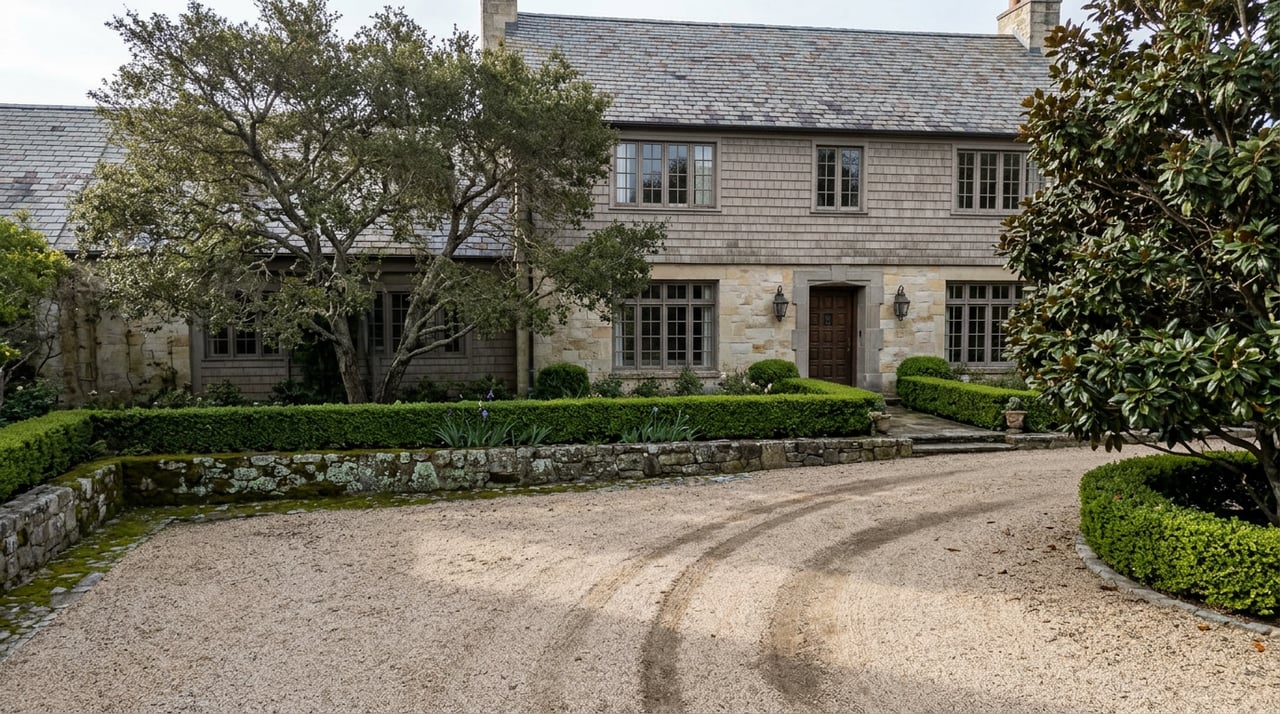
That's the real question behind the addition and remodel application now sitting with the Town of Portola Valley's planning department for Rossotti's Alpine Inn, the beer garden and burger stop most locals just call Zott's. If you've heard the word "remodel" and pictured a new sign or a reimagined menu, that's not what's on file. The application filed by Portola Valley residents Deke and Lori Hunter is narrower and, honestly, more interesting than that: it proposes tearing down a 450-square-foot lean-to and a 153-square-foot outdoor bar on the garden side of the building, then replacing both with roughly 1,158 square feet of actual kitchen. Nearly double the combined footprint of what it's removing, all so the building can finally hold the equipment a modern kitchen needs.
That distinction matters if you've spent a Saturday morning on the Windy Hill trailhead and finished the loop with a burger and a picnic table at Zott's, because it tells you something the worried version of this story doesn't: the building isn't becoming something else. It's admitting it never had enough room to be what it already is.
What The Filing Actually Says
The project description on the town's own development page is specific about scope in a way that's worth reading directly rather than taking on faith. The addition is described as bringing the kitchen up to current codes and health standards while staying within the bounds of the Alpine Inn's existing Conditional Use Permit, meaning this isn't a request to change what the business is allowed to be. It's a request to build the physical space that lets it keep operating as what it already is. You can read the project page on the Portola Valley Planning and Building Department site, including contact information for project planner Jake Garcia if you want to weigh in before it moves further through review.
That framing, "continued operations," is doing real work in the document. This isn't a concept pitch. It's a maintenance problem that outgrew what a maintenance budget could fix.
The Building Has Done This Before
This is the second time in seven years that money has gone specifically into the Alpine Inn's kitchen, and the difference between the two projects tells you where the actual constraint has been hiding.
| Project | Year | What it fixed | What it left alone |
|---|---|---|---|
| Interior rebuild | 2019 | Dry rot in the bar, kitchen, and floors; accessibility ramps and automatic doors; swapped residential-grade equipment (deep fryer, range, three refrigerators, griddle, beer dispenser) for commercial-grade versions | Exterior walls, saloon doors, historic designation |
| Addition and remodel | Filed 2026, pending | Demolishes the 450 SF lean-to and 153 SF west-side outdoor bar, replaces both with roughly 1,158 SF of new kitchen space | Historic core structure, existing Conditional Use Permit terms |
The 2019 project, covered at the time by the Almanac when the Hunter 1988 Revocable Trust took ownership, was an equipment problem: swap out the fryer, the griddle, the fridges, bring the wiring and plumbing up to code, and reopen. You can see the scope of that work in the paper's coverage of the new ownership and the story on its reopening later that year.
What that project didn't fix, because it wasn't designed to, was the box the equipment sits in. You can replace a residential griddle with a commercial one. You cannot make a 450-square-foot lean-to hold ventilation, prep space, and storage sized for the volume Zott's actually does on a Saturday. Seven years later, the building is running into the same wall from a different angle. The fix this time isn't better tools. It's more room.
Why The Expansion Has To Eat The Edges
Here's the part that explains why this specific plan looks the way it does rather than, say, a bigger addition on the historic side of the building or a change to the tavern's front footprint.
The Alpine Inn carries state and federal landmark status, and Portola Valley's own general plan lists the structure as one to be preserved. Accounts differ on exactly who built the original roadhouse. A bronze plaque outside the building credits one Felix Buelna as builder in the 1850s, while other retellings point to a former San Jose mayor. What isn't in dispute is the year, 1852, or the fact that the building has operated continuously under one roadhouse name or another since 1868. That kind of protected status doesn't just add paperwork. It removes options. The main structure, the saloon doors, the historic exterior facing Alpine Road can't be touched without triggering a review the applicants clearly aren't asking for.
Which is exactly why the new square footage has to come from somewhere that isn't protected. The lean-to and the outdoor west-side bar were both later additions, not part of the original landmark structure, which makes them the only legal place to build. The expansion isn't happening at the edges of the building because that's convenient. It's happening there because that's the only place the law allows it to happen.
What Changes For Your Next Visit, And What Doesn't
If you're a regular, the practical question isn't square footage. It's whether your usual spot at the picnic tables is still going to be there.
Based on what's actually in the filing, here's the honest answer:
- The west-side outdoor bar, the one on the garden side of the property, is slated for removal and won't be rebuilt in its current form. If you've ordered a beer from that side rather than walking to the main bar, that habit changes once construction starts.
- The lean-to portion of the building comes down entirely, replaced by enclosed kitchen space.
- The historic tavern structure, the saloon doors, and the main beer garden seating that Toast's own listing puts at roughly 250 seats in the outdoor area are not part of the demolition scope.
What the town's page doesn't include is a construction start date or an estimated closure window, so there's no honest timeline to give you yet beyond what's public: the application is filed and under review, and Jake Garcia's contact is on the page if you want updates as it moves.
The Same Names Keep Showing Up
The Alpine Inn's ownership history adds context to the current application. The 2019 ownership transition at the Alpine Inn involved a small group of Portola Valley residents and neighbors, including Deke and Lori Hunter alongside Fred and Stephanie Harman and Jim Kohlberg, working with operating partner Greg St. Claire of Avenir Restaurant Group, whose other Peninsula projects include Milagros in Redwood City, Town in San Carlos, and Nola in Palo Alto. St. Claire grew up in Woodside and Portola Valley himself.
That's the same ownership group filing this new application. The 2019 project addressed equipment and repairs; this application proposes additional kitchen space. The practical question it addresses is whether the kitchen physically fits what a modern commercial operation requires.
If there's a single thing worth carrying out of this filing, it's that the parts of Zott's people actually care about, the saloon doors, the creekside beer garden, the picnic tables that have hosted Little League parties and Stanford reunions for generations, were never on the table to begin with. What's changing is a lean-to and a side bar most visitors never think twice about, in exchange for a kitchen that might finally stop needing rescued every few years.
Living in a town where a 174-year-old roadhouse gets this kind of quiet, careful attention says something about how people here treat what's worth keeping. If you're thinking about your own Portola Valley property, whether that means updating a home that's been in your family for decades or figuring out what a place like this is actually worth in today's market, Stephanie Elkins has spent her career in exactly this kind of detail work across Portola Valley, Woodside, Atherton, and Menlo Park. Reach out when you're ready for a conversation grounded in the same level of specifics.
This article is general information, not legal, tax or financial advice. Consult a qualified professional about your situation.